
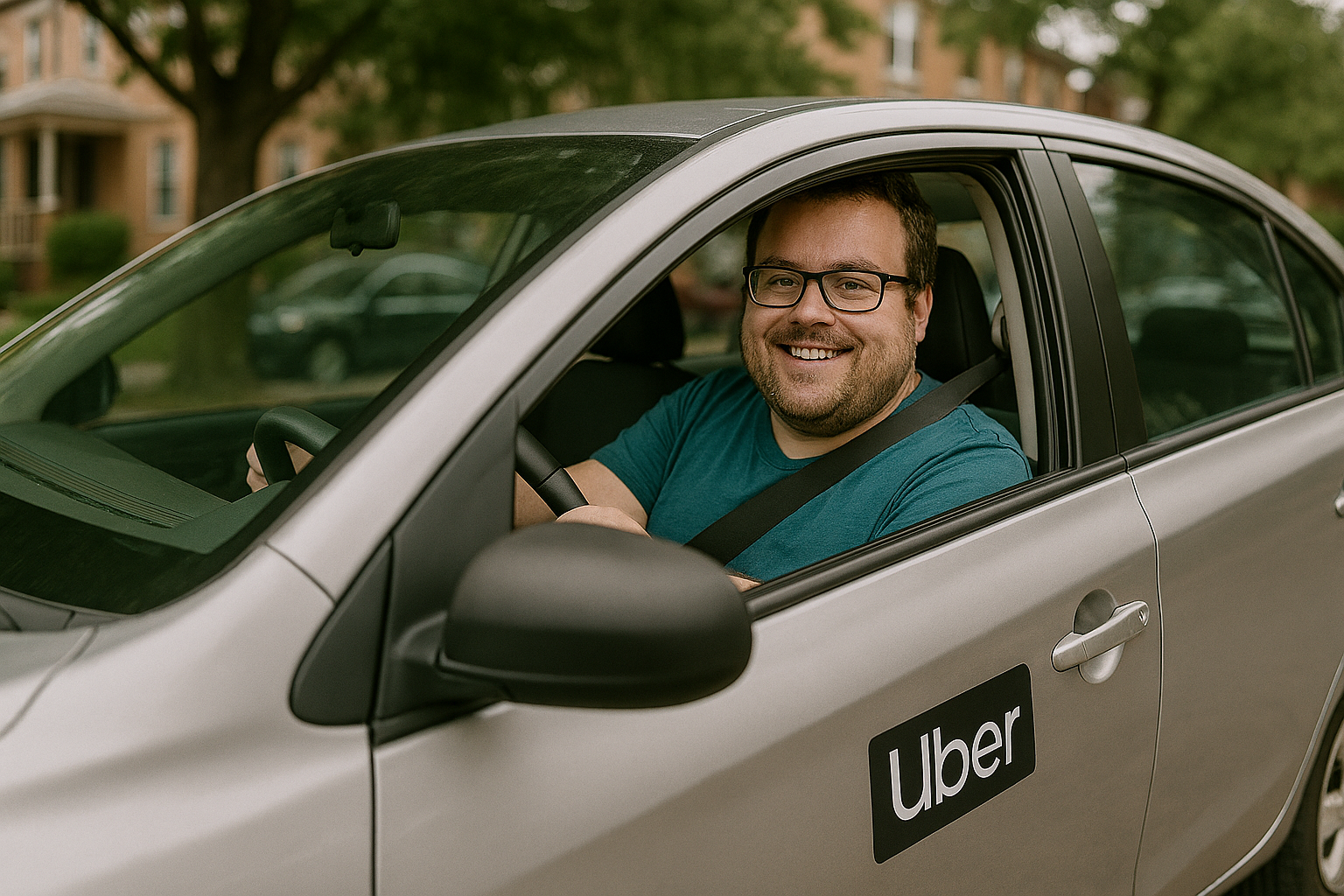
Here’s What I Actually Earned 💸🚗
Ready to discover the truth about uber driver earnings? I spent an entire month driving full-time for Uber to uncover the real numbers behind this popular gig. Spoiler alert: the results might surprise you!
When everyone around me was talking about making “easy money” with rideshare driving, I decided to put it to the test. Could I really make a decent living driving for Uber? After 30 days of full-time driving, tracking every mile, every expense, and every dollar earned, I’m here to share the unfiltered truth about uber driver earnings in 2025.
The Reality Check: What Uber Drivers Actually Earn
Before diving into my personal experiment, let’s establish the current earning landscape for Uber drivers. According to the latest data from multiple industry sources, Uber drivers earn between $15.28 and $36.62 per hour on average, with median earnings hovering around $16.19 to $35.44 per hour.
But here’s where it gets interesting – these figures don’t tell the whole story. In 2025, Uber drivers earn an average of $513 per week, making them one of the highest-earning gig workers. However, this gross income doesn’t account for the hidden costs that can eat into your profits faster than you might think.
The national average sits at around $39,702 annually or $19 per hour, but location makes a massive difference. Drivers in major metropolitan areas like San Francisco, New York, and Seattle consistently outperform those in smaller cities.
My 30-Day Uber Driver Challenge: The Setup 🎯
I approached this challenge like a business experiment. Here were my ground rules:
My Commitment:
- Drive 8-10 hours per day, 6 days a week
- Track every single expense down to the penny
- Accept all ride requests (no cherry-picking)
- Drive during both peak and off-peak hours
- Document everything for complete transparency
My Vehicle: 2019 Toyota Camry Hybrid (30+ MPG) Starting Mileage: 47,500 miles Location: Greater Los Angeles area Goals: Make at least $1,000 per week after expenses
Just like those side hustles that actually pay, I wanted to treat this as a legitimate income opportunity rather than just occasional pocket change.
Week 1: The Learning Curve 📈
Total Hours Driven: 52 hours Gross Earnings: $1,247 Number of Trips: 94 Average per Trip: $13.27 Average per Hour (Gross): $23.98
My first week was eye-opening. I quickly learned that timing is everything in the rideshare game. During surge pricing periods, fares can increase by 2x, 3x, or even 5x, dramatically boosting earnings.
The best earning times were:
- Friday and Saturday nights (9 PM – 3 AM)
- Monday morning rush hour (7 AM – 9 AM)
- Thursday evening (5 PM – 8 PM)
- Airport runs during peak travel days
However, I made several rookie mistakes:
- Driving aimlessly between rides (wasting gas)
- Not positioning myself near high-demand areas
- Accepting long-distance pickups with short rides
- Forgetting to track my expenses properly
Much like learning how to use ChatGPT for work effectively, mastering Uber requires understanding the platform’s algorithms and user patterns.
Week 2: Finding My Rhythm 🎵
Total Hours Driven: 58 hours Gross Earnings: $1,456 Number of Trips: 108 Average per Trip: $13.48 Average per Hour (Gross): $25.10
By week two, I’d developed a system. Strategic positioning during anticipated surge times, like logging out before peak hours and logging back in during surge periods, significantly increased my earnings.
I discovered that working during peak hours consistently yields higher earnings, with Friday and Saturday nights generating longer trips and more tipping opportunities. My weekly earnings jumped by $209, proving that experience and strategy matter.
Key improvements:
- Better surge timing strategy
- Smarter positioning near airports and business districts
- Improved customer service (offering water, phone chargers)
- More efficient route planning
The importance of good financial planning became clear – similar to the strategies discussed in retirement planning in your 20s, tracking and optimizing every aspect of your earnings is crucial for long-term success.
Week 3: Maximizing Efficiency ⚡
Total Hours Driven: 61 hours Gross Earnings: $1,612 Number of Trips: 115 Average per Trip: $14.02 Average per Hour (Gross): $26.43
Week three was my breakthrough. I implemented several advanced strategies:
Surge Strategy: Instead of chasing surge areas where competition floods in, I positioned myself strategically before predictable surge periods. This approach proved far more profitable than reactive surge chasing.
Customer Experience: I started offering small amenities – bottled water, phone chargers, and aux cables. Tips increased significantly, adding an extra $1.01 to $4.00 per hour to my earnings.
Smart Scheduling: Working during peak hours from 11 AM to 2 PM for lunch and 5 PM to 11 PM for dinner consistently generated steady deliveries and higher payouts.
Just as budgeting strategies require discipline and planning, successful Uber driving demands strategic thinking and consistent execution.
Week 4: The Final Push 🏁
Total Hours Driven: 63 hours Gross Earnings: $1,723 Number of Trips: 121 Average per Trip: $14.24 Average per Hour (Gross): $27.35
My final week was my strongest performance. I’d mastered the art of:
- Airport Strategy: Positioning near hotels for airport-bound passengers and timing arrivals to avoid long wait times
- Event Awareness: Monitoring local events, concerts, and sports games for surge opportunities
- Efficient Routes: Using traffic data to optimize pickup and drop-off efficiency
The 30-day totals were impressive: Total Hours: 234 hours Gross Earnings: $6,038 Average Hourly (Gross): $25.82
The Hidden Costs: Where Your Money Really Goes 💰
Here’s where many aspiring drivers get a reality check. Vehicle expenses typically cost around 42¢ per mile, including gas, maintenance, and depreciation.
My 30-Day Expenses:
- Fuel: $487 (1,247 miles driven + positioning)
- Vehicle Maintenance: $156 (oil change, tire rotation, car wash)
- Insurance: $94 (rideshare coverage add-on)
- Phone Data: $25 (increased usage for GPS/app)
- Car Supplies: $43 (water, chargers, cleaning supplies)
- Wear & Tear/Depreciation: $312 (estimated at 25¢ per mile)
Total Expenses: $1,117 Net Earnings: $4,921 Average Hourly (Net): $21.03
The IRS standard mileage rate of $0.67 per business mile for 2024 would have given me a tax deduction of approximately $832, significantly reducing my tax burden.
This financial planning aspect reminded me of the importance of understanding costs – similar to making informed decisions about buying used cars where hidden expenses can quickly add up.
Maximizing Your Uber Driver Earnings: Pro Tips 🚀
Based on my 30-day experiment and extensive research, here are the strategies that actually move the needle:
1. Master the Surge Game
Surge pricing can double your earnings for the same amount of work, with 2.0x surges being common during busy periods. The key is positioning, not chasing.
2. Strategic Timing
Peak earning times include weekday lunch (11 AM-2 PM) and dinner rush (5 PM-9 PM), plus weekend evenings for rideshare.
3. Location Intelligence
Target hotels for airport passengers, apartment complexes during work commutes, and colleges during academic seasons.
4. Vehicle Optimization
Fuel-efficient vehicles like the Toyota Prius or Tesla Model 3 can drastically cut fuel expenses for long-hour drivers.
5. Customer Service Excellence
Simple additions like water bottles, phone chargers, and friendly conversation can increase tips by 15-30%.
Much like the strategies used in passive income apps that actually pay, consistency and optimization are key to maximizing returns.
The Truth About Full-Time Uber Driving 📊
Let’s be honest about the reality: Uber is generally more suitable as a side hustle to supplement income, with most drivers not finding it consistent enough to be a sole income source.
Pros:
- Complete schedule flexibility
- Immediate access to earnings
- No boss or office politics
- Meet interesting people
- Learn your city inside out
Cons:
- Vehicle wear and tear
- No benefits or paid time off
- Income inconsistency
- Safety concerns
- Dealing with difficult passengers
For context, the average hourly rate for private sector workers in the U.S. was $33.88 per hour in September 2023, significantly higher than most Uber driver earnings.
State-by-State Earning Differences 🗺️
Location dramatically impacts earnings. Massachusetts leads with average annual income of $46,222 for delivery drivers, while Florida ranks lowest at $29,682 annually.
Top Earning Cities:
- Berkeley, CA: $24.02/hour
- San Francisco, CA: $23.50/hour
- New York, NY: $22.80/hour
- Boston, MA: $22.22/hour
- Seattle, WA: $21.95/hour
Lower Earning Markets:
- Rural areas: $12-16/hour
- Small cities: $14-18/hour
- Oversaturated markets: Varies widely
This geographic variation in earning potential is similar to the differences in remote work opportunities across different regions and industries.
Tax Implications: What You Need to Know 💼
As an Uber driver, you’re an independent contractor responsible for your own taxes, and Uber doesn’t withhold taxes from your payments.
Key Tax Considerations:
- Quarterly Estimated Taxes: Set aside 25-30% of net earnings
- Mileage Deduction: $0.67 per business mile for 2024
- Vehicle Expenses: Gas, maintenance, insurance, registration
- Equipment: Phone mounts, chargers, cleaning supplies
- Self-Employment Tax: Additional 15.3% on net earnings
The tax planning aspect is crucial – similar to the strategies discussed in credit score improvement, understanding the financial implications upfront prevents surprises later.
Technology and Tools That Make a Difference 📱
Modern Uber driving success relies heavily on technology:
Essential Apps:
- Gridwise: Track earnings across multiple platforms, find high-demand areas, and monitor airport queue times
- GasBuddy/Upside: Save on fuel costs
- Everlance: Automatic mileage tracking
- Waze: Optimal routing and traffic avoidance
Hardware Investments:
- Quality phone mount ($30-50)
- Car chargers and cables ($20-30)
- Dashcam for safety ($100-200)
- Cooler for drinks/snacks ($25-40)
These technology tools are as essential for Uber drivers as understanding smart home automation is for modern homeowners.
The Psychology of Uber Driving 🧠
Uber uses psychological techniques like setting micro-goals (“You’re only ten rides away from making $100”) to encourage drivers to work beyond their initial plans.
Understanding these motivational tactics helps you make rational decisions about when to stop driving rather than falling into the “just one more ride” trap that can lead to diminishing returns.
This psychological awareness is similar to recognizing the behavioral patterns discussed in digital detox challenges – being mindful of external influences on your decisions.
Safety Considerations and Best Practices 🛡️
Safety should never be compromised for earnings:
Essential Safety Measures:
- Install a dashcam (front and rear)
- Share your location with trusted contacts
- Trust your instincts about passengers
- Keep doors locked until passenger verification
- End rides immediately if you feel unsafe
Late-Night Driving Tips:
- Stay in well-lit, populated areas
- Avoid high-crime neighborhoods
- Take breaks to stay alert
- Have an emergency contact plan
Personal safety is as important as financial security – similar to the precautions discussed in online safety practices.
The Future of Rideshare Driving 🔮
The industry is evolving rapidly. Uber CEO Dara Khosrowshahi called autonomous vehicle technology “the single greatest opportunity ahead for Uber”, with partnerships expanding in cities like Austin and Atlanta.
Emerging Trends:
- Autonomous Vehicles: 100 Waymo vehicles in Austin are “busier than over 99% of all drivers” in completed trips per day
- Electric Vehicle Incentives: $1 extra per Uber Green trip for EV drivers (up to $4,000 annually)
- Enhanced Driver Tools: Better earnings prediction and optimization features
Staying informed about industry changes is crucial – much like keeping up with technology trends in other sectors.
Alternative Gig Economy Options 🔄
If Uber alone doesn’t meet your income goals, consider diversifying:
Multi-App Strategy:
- Lyft: Often better bonuses for new drivers
- DoorDash: Food delivery with different peak hours
- Instacart: Grocery shopping and delivery
- Amazon Flex: Package delivery routes
Other Income Streams:
Real Driver Stories and Experiences 💬
Success Story: Sam Lyon made $8,357 in 30 days by driving 12 hours daily for Uber Eats, demonstrating the potential for high earnings with extreme dedication.
Typical Experience: Most part-time drivers report earnings between $200-600 per week, which aligns with using rideshare as supplemental income rather than a primary career.
Challenges: Common complaints include vehicle wear, difficult passengers, and income inconsistency during slow periods.
These real experiences mirror the honest assessments found in other financial journey articles like debt management strategies.
Financial Planning for Uber Drivers 💡
Emergency Fund: Set aside funds for unexpected vehicle repairs, which can wipe out weeks of earnings. Consider using an emergency fund calculator to determine appropriate savings targets.
Vehicle Replacement Fund: Plan for eventual vehicle replacement or major repairs by saving $0.10-0.15 per mile driven.
Health Considerations: Budget for health insurance and consider the physical demands of long driving hours.
Retirement Planning: Since you won’t have employer-sponsored benefits, personal retirement planning becomes crucial – similar to the strategies outlined for young professionals.
My Final Verdict: Is Uber Worth It? ⚖️
After 30 days and 234 hours of driving, here’s my honest assessment:
For Full-Time Income: Challenging but possible in high-demand markets. My net earnings of $21.03/hour were respectable but required strategic optimization and long hours.
As a Side Hustle: Excellent flexibility and immediate access to cash make it attractive for supplemental income.
Best Suited For:
- People needing schedule flexibility
- Those comfortable with variable income
- Drivers who enjoy meeting people
- Individuals looking to maximize vehicle utility
Not Ideal For:
- Those needing consistent, predictable income
- People uncomfortable with vehicle wear and tear
- Individuals in low-demand markets
- Anyone unable to work peak hours
Actionable Takeaways for New Drivers 🎯
- Start Smart: Begin part-time to learn your market before committing full-time
- Track Everything: Use apps like Everlance for automatic expense tracking
- Optimize for Surge: Learn your city’s surge patterns and position accordingly
- Invest in Efficiency: Quality phone mount, chargers, and navigation apps pay for themselves
- Plan for Taxes: Set aside 25-30% of earnings and track all business expenses
- Prioritize Safety: Never compromise personal safety for earnings
- Stay Informed: Follow rideshare driver communities and industry news
- Consider Multi-Apping: Diversify income streams for better earnings stability
The Bottom Line: Real Numbers, Real Talk 💰
My 30-day experiment revealed that uber driver earnings can be substantial with the right approach, but they require genuine effort, strategic thinking, and realistic expectations. Earning $4,921 net in 30 days ($21.03/hour) demonstrates the income potential, but also highlights the importance of treating this as a business rather than easy money.
The key to success lies in optimization – understanding surge patterns, maximizing efficiency, providing excellent customer service, and managing expenses carefully. While it may not replace a traditional career for most people, Uber can provide meaningful supplemental income or serve as a bridge during career transitions.
For those considering this path, I recommend starting slowly, tracking everything meticulously, and being honest about whether the time investment aligns with your financial goals. Remember, the most successful Uber drivers treat it as a business, complete with planning, optimization, and strategic decision-making.
Whether you’re looking to boost your income alongside other proven side hustles or considering a complete career change, the key is making informed decisions based on real data rather than unrealistic expectations.
Ready to start your own rideshare journey? Remember: success isn’t guaranteed, but with the right strategy, dedication, and realistic expectations, uber driver earnings can provide a valuable income stream in today’s gig economy. 🚗✨
What’s your experience with rideshare driving? Share your earnings stories and tips in the comments below! And if you found this analysis helpful, don’t forget to check out our other money-making strategies and financial planning guides.