
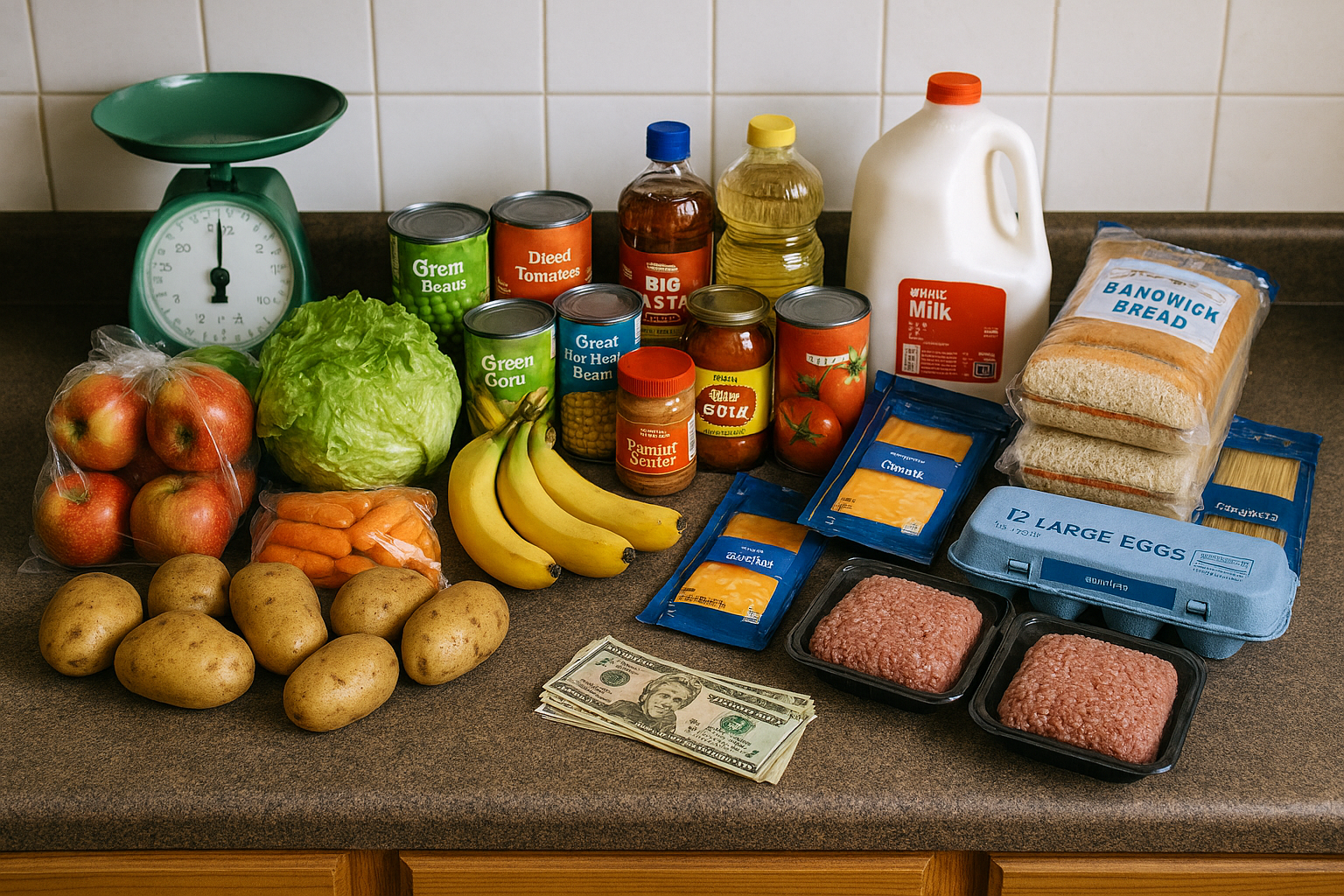
Feed Family of 4 for $75/Week 💰🛒
Meta Description: Learn budget grocery shopping secrets to feed your family of 4 for just $75/week! Complete meal plans, shopping lists, and proven money-saving strategies for 2025. Start saving today!
Transform your grocery budget without sacrificing nutrition or taste – discover the exact strategies that work in 2025!
Feeding a family of four on just $75 per week might sound impossible in today’s economy, but it’s absolutely achievable with the right strategies! 🎯 While the average American family spends around $344 per week on groceries according to recent USDA data, smart shoppers are proving you can cut that budget by nearly 80% without compromising on nutrition or taste.
With food prices having risen 29.5% since 2019 and grocery costs continuing to challenge household budgets, mastering budget shopping has never been more crucial. Whether you’re dealing with tight finances, saving for a major goal, or simply want to be more intentional with your spending, this comprehensive guide will show you exactly how to make $75 stretch for seven full days of family meals.
Why $75 Weekly Actually Works (When Done Right) ✅
Before diving into the how-to, let’s address the elephant in the room: Is $75 really enough? The short answer is yes, but it requires strategic planning rather than wishful thinking. Here’s why this budget works:
The Math Makes Sense 📊
- $75 weekly = $300 monthly for groceries
- That’s approximately $18.75 per person per week
- Breaking it down further: $2.68 per person per day
- Or roughly $0.89 per meal per person
While this is significantly below the USDA’s “thrifty plan” of $993 monthly for a family of four, many families are successfully implementing these strategies without feeling deprived. The key difference? Strategic shopping replaces random grocery trips.
Current Market Reality 💡 Recent data shows that grocery prices have stabilized somewhat in 2025, with food-at-home prices predicted to increase by only 2.2% compared to previous years’ double-digit inflation. This stabilization creates opportunities for budget-conscious shoppers who know where to look.
The Foundation: Strategic Meal Planning 📋
Successful budget grocery shopping starts before you ever set foot in a store. Meal planning isn’t just about organization – it’s your secret weapon against overspending and food waste.
Week-by-Week Planning Strategy Start each week by checking your schedule. Do you have late practices, work meetings, or events that mean dinner needs to be quick? Planning around your actual life prevents the expensive trap of last-minute takeout orders. If you know Wednesday will be hectic, plan a slow cooker meal that’ll be ready when you walk through the door.
The Power of Flexible Menus Instead of rigid meal plans, create flexible frameworks. Designate theme nights like “Meatless Monday,” “Taco Tuesday,” or “Soup & Sandwich Sunday.” This approach lets you adapt to sales and seasonal availability while maintaining structure.
Inventory Before You Plan Before creating your weekly menu, take 10 minutes to check what you already have. That lonely can of beans in your pantry could become the star of this week’s chili. Those vegetables approaching their expiration date? Perfect for a stir-fry or soup.
For tech-savvy meal planners, consider how modern tools can streamline your process. Just like how AI tools are revolutionizing productivity, smart meal planning apps can help optimize your shopping lists and reduce waste.
Store Selection Strategy: Where You Shop Matters 🏪
Not all grocery stores are created equal, especially when you’re working with a tight budget. Your choice of shopping destination can make or break your $75 weekly goal.
Discount Chains Are Your Best Friend Stores like Aldi, Walmart, and regional discount chains consistently offer the lowest prices on staples. Aldi, in particular, has built its reputation on providing quality groceries at prices that can be 20-40% lower than traditional supermarkets. The trade-off? You might need to bring a quarter for your cart and bag your own groceries – small inconveniences for significant savings.
Warehouse Stores for Bulk Basics If you have access to Costco, Sam’s Club, or BJ’s, these can be goldmines for bulk purchases of non-perishables. However, only buy what you’ll actually use. A 25-pound bag of rice is only a good deal if you’ll consume it before it goes stale.
Multiple Store Strategy Many successful budget shoppers visit 2-3 different stores monthly, each for specific items. One family might get produce from a local farmer’s market, pantry staples from Aldi, and meat specials from a traditional grocery store. While this requires more time, the savings can be substantial.
Seasonal Shopping Locations Don’t overlook seasonal opportunities. Farmer’s markets often have better prices on in-season produce, especially toward closing time when vendors want to sell remaining inventory rather than pack it up.
The Art of Sales-Based Menu Planning 🎯
This is where budget shopping becomes truly strategic. Instead of deciding what you want to eat and then shopping for those ingredients, flip the script: see what’s on sale, then build your menu around those deals.
Reading the Sales Circular Like a Pro Get familiar with your stores’ weekly ad cycles. Most grocery stores release new sales on Wednesdays, with the previous week’s sales running through Tuesday. This overlap period can sometimes offer double the deals.
Look for “loss leaders” – items stores sell at a loss to get you in the door. These are your biggest opportunities for savings. When chicken thighs are $0.79 per pound instead of the usual $1.99, that’s the week to stock up and build multiple meals around chicken.
Seasonal Sale Patterns Certain items go on sale predictably:
- Ground meat often hits lowest prices in late summer (grilling season aftermath)
- Canned goods typically see deep discounts in November (Thanksgiving prep)
- Frozen vegetables are cheapest in winter months
- Fresh produce follows natural seasonal patterns
Building Meals Around Sales Once you identify the week’s best deals, get creative with meal combinations. If ground beef and pasta are both on sale, you might plan spaghetti and meatballs, taco night (with pasta salad as a side), and shepherd’s pie using the same core ingredients in different ways.
Smart Shopping Lists: Your Budget’s Best Friend 📝
A well-crafted shopping list is the difference between staying on budget and wondering where that extra $40 went. But effective budget shopping lists go beyond just writing down what you need.
Organize by Store Layout Arrange your list to match your store’s layout. This prevents backtracking and reduces the temptation to grab items you didn’t plan to buy. Most stores follow a similar pattern: produce, deli/bakery, meat, dairy, frozen foods, and shelf-stable items.
Include Acceptable Substitutions Next to each item, jot down acceptable alternatives. If chicken breast isn’t on sale but thighs are marked down, you’ll know to make the switch. This flexibility is crucial for staying within budget while still getting the nutrition your family needs.
Unit Price Awareness Train yourself to look at unit prices (price per ounce, pound, etc.) rather than package prices. Sometimes the larger size isn’t actually cheaper per unit. Many stores display unit prices on shelf tags, making comparisons easier.
The 24-Hour Rule for Impulse Items When you see something not on your list that looks appealing, write it down with the date. If you still want it next week, consider adding it to that week’s budget. This simple delay prevents impulse purchases while not making you feel completely restricted.
Protein on a Dime: Maximizing Your Meat Budget 🥩
Protein often consumes the largest portion of grocery budgets, but strategic protein shopping can dramatically reduce costs without sacrificing nutrition or satisfaction.
Cheaper Cuts, Better Flavor Embrace less popular cuts that require longer cooking times but offer incredible flavor and value. Chicken thighs cost significantly less than breasts but have more flavor and stay moist during cooking. Pork shoulder can be transformed into everything from carnitas to barbecue. Chuck roast becomes tender pot roast or can be ground for burgers.
Buy in Bulk, Portion at Home When protein goes on sale, buy larger quantities and portion them at home. A family pack of ground beef can be divided into meal-sized portions and frozen. Whole chickens cost less per pound than parts and can provide multiple meals – roasted chicken for dinner, soup from the bones, and sandwiches from the leftovers.
Plant-Based Protein Power Don’t overlook beans, lentils, and eggs as protein sources. A bag of dried beans costs less than $2 and provides multiple servings of protein. Eggs remain one of the most affordable complete proteins available. Incorporate these into your meal rotation to stretch your protein budget further.
The Art of Meat Substitution Learn to use small amounts of meat to flavor larger dishes rather than making meat the centerpiece of every meal. A little bit of bacon can transform a pot of beans, and ground meat can stretch further in pasta sauce loaded with vegetables.
Produce Strategies That Actually Save Money 🥕
Fresh fruits and vegetables are essential for family nutrition but can quickly blow a tight budget if not handled strategically.
Seasonal Shopping Mastery Buy produce when it’s in season locally. Not only will it taste better, but prices drop significantly when supply is high. Summer is perfect for berries, stone fruits, and tomatoes. Fall brings cheaper apples, squash, and root vegetables. Winter citrus is both affordable and provides essential vitamin C.
Frozen vs. Fresh Economics Frozen vegetables often provide better nutrition than “fresh” produce that’s been shipped long distances and sat on shelves for days. Frozen options are also typically cheaper per serving and won’t spoil if you don’t use them immediately. Keep a variety of frozen vegetables on hand for easy meal additions.
The 50% Off Produce Hunt Many stores mark down produce that’s approaching its sell-by date. These items are perfect for immediate use or cooking into soups, sauces, or smoothies. Overripe bananas make excellent banana bread or smoothie ingredients.
Growing Your Own Supplements Even apartment dwellers can grow herbs on a windowsill. A $2 packet of basil seeds can provide months of fresh herbs that would cost $3-4 per package at the store. Lettuce, green onions, and cherry tomatoes also grow well in containers.
Pantry Staples: Building Your Budget Foundation 🏗️
A well-stocked pantry of versatile staples is the backbone of budget cooking. These items provide the foundation for countless meals and help you avoid expensive convenience foods.
The Essential Dozen Focus on building up stocks of these pantry powerhouses:
- Rice (buy in bulk for best prices)
- Pasta (stock up during sales)
- Dried beans and lentils
- Canned tomatoes
- Onions (buy in 3-5 pound bags)
- Potatoes (versatile and filling)
- Flour (for bread, pizza dough, and baking)
- Oats (cheap breakfast and baking ingredient)
- Eggs (protein and baking essential)
- Oil (for cooking and baking)
- Salt, pepper, and basic spices
- Vinegar (for cooking and cleaning)
Smart Stockpiling When non-perishable staples go on sale, buy enough to last until the next sale cycle (typically 6-12 weeks). This strategy requires upfront investment but pays dividends over time. Track your family’s consumption patterns to know how much to buy.
Generic vs. Name Brand Strategy For most pantry staples, generic brands offer identical quality at 20-40% lower prices. Start by switching generic versions of items like flour, sugar, rice, and pasta. You likely won’t notice any difference in taste or quality.
Weekly Shopping Routines That Save Money ⏰
Developing consistent shopping routines eliminates decision fatigue and helps you stick to your budget week after week.
The Two-Hour Weekly Power Shop Dedicate 2 hours once per week to grocery shopping rather than making multiple trips. Multiple trips lead to impulse purchases and higher overall spending. Use this time to visit 2-3 stores if necessary to hit the best deals.
Eat Before You Shop This classic advice bears repeating because it works. Shopping hungry leads to impulse purchases of expensive snack foods and prepared items. Have a meal or substantial snack before heading to the store.
Cash Envelope Method Consider using cash for grocery shopping. When you physically hand over bills, you’re more aware of your spending than when swiping a card. Plus, when the cash is gone, you’re done shopping – no going over budget.
End-of-Day Shopping Benefits Shopping later in the evening often yields better deals on marked-down meat, bakery items, and prepared foods. Many stores reduce prices on items they need to sell before closing.
Meal Prep Magic: Making $75 Stretch Further 🍳
Proper meal preparation turns your grocery budget into maximum value by reducing waste and preventing expensive last-minute food decisions.
Batch Cooking Basics Prepare large quantities of versatile components that can be used in multiple meals throughout the week. Cook a big batch of rice, roast a whole chicken, or prepare a large pot of beans. These components become building blocks for different meals.
Strategic Leftover Planning Plan for leftovers rather than hoping they happen. Make extra portions deliberately, then repurpose them creatively. Roast chicken becomes chicken salad, then chicken soup. Taco meat transforms into breakfast burritos or nacho toppings.
Freezer-Friendly Prep Double recipes when possible and freeze half for busy weeks. Soups, stews, casseroles, and marinated meats all freeze well. Having prepared meals in the freezer prevents expensive takeout on stressful days.
Prep Techniques That Save Time and Money Wash and prep vegetables immediately after shopping. Pre-washed lettuce from the store costs 3-4 times more than whole heads you wash yourself. Similarly, cut vegetables are convenient but expensive – do the prep work yourself and save significantly.
Sample Weekly Menu: $75 Budget Breakdown 📊
Here’s a practical example of how $75 can cover a full week of family meals:
Monday: Slow Cooker Chicken and Vegetables ($8)
- Whole chicken: $5
- Potatoes, carrots, onions: $3
Tuesday: Pasta with Meat Sauce ($7)
- Ground beef (1 lb): $4
- Pasta and canned tomatoes: $2
- Vegetables for sauce: $1
Wednesday: Bean and Rice Bowl ($4)
- Dried beans: $1
- Rice: $1
- Vegetables and seasonings: $2
Thursday: Leftovers Remix Night ($2)
- Transform Monday’s chicken into chicken fried rice
- Additional vegetables and eggs: $2
Friday: Homemade Pizza Night ($6)
- Pizza dough ingredients: $2
- Sauce and cheese: $3
- Vegetable toppings: $1
Saturday: Breakfast for Dinner ($5)
- Eggs: $2
- Pancake ingredients: $2
- Fruit: $1
Sunday: One-Pot Pasta ($8)
- Pasta: $1
- Vegetables: $4
- Meat or protein: $3
Breakfast Items for Week: $15
- Oatmeal, eggs, bread ingredients
Lunch Components: $12
- Sandwich ingredients, soup components, salad materials
Snacks and Miscellaneous: $8
- Fruit, basic snacks, milk
Total: $75
Technology Tools for Budget Shopping 📱
Modern technology offers numerous tools to maximize your grocery budget, much like how AI tools are transforming cloud computing workflows.
Price Comparison Apps Apps like Flipp, Basket, and Grocery Pal help you compare prices across multiple stores without driving around town. These tools can identify the cheapest places to buy specific items on your list.
Digital Coupon Integration Most major grocery chains now offer apps with digital coupons that automatically apply at checkout. Stack these with manufacturer coupons for maximum savings. Kroger, Safeway, and Target apps are particularly good for this.
Cashback Apps Ibotta, Checkout51, and similar apps offer cashback on specific grocery purchases. While the individual rewards are small, they add up over time and can offset part of your grocery budget.
Meal Planning Apps Apps like Mealime, PlateJoy, and Plan to Eat help you create shopping lists based on meal plans, reducing waste and keeping you organized.
Common Budget Shopping Mistakes to Avoid ❌
Even well-intentioned budget shoppers can fall into traps that derail their savings goals.
The Bulk Buying Trap Buying in bulk only saves money if you use everything before it spoils. A 20-pound bag of potatoes is only a good deal if your family actually eats 20 pounds of potatoes before they sprout or rot.
Ignoring Unit Prices Package sizes can be deceptive. Sometimes the smaller package actually costs less per ounce than the “family size” option. Always check unit prices before assuming bigger is cheaper.
Sale Item Stockpiling Without Planning Buying items just because they’re on sale leads to overspending and waste. Only stock up on items you regularly use and have storage space for.
Forgetting About Food Waste The cheapest food is the food you actually eat. Factor potential waste into your purchasing decisions. Sometimes paying slightly more for smaller quantities results in lower overall costs.
Advanced Strategies for Experienced Budget Shoppers 🎓
Once you’ve mastered the basics, these advanced techniques can squeeze even more value from your grocery budget.
Loss Leader Strategy Learn to identify loss leaders – items stores sell at a loss to attract customers. Stock up on these items while avoiding impulse purchases on high-margin items they hope you’ll add to your cart.
Manager’s Special Timing Each store has patterns for when they mark down meat, bakery items, and produce. Learn your store’s schedule and shop accordingly. Some stores mark down items at 10 AM, others at 6 PM.
Seasonal Menu Rotation Develop different meal rotations for different seasons based on what’s typically cheapest during those months. Summer menus might feature more fresh vegetables and grilled items, while winter menus focus on hearty soups and stews using cheaper root vegetables.
Barter and Trade Networks Some communities have informal networks where families trade surplus garden produce, bulk purchase items, or even cooking skills. A family good at baking might trade bread for another family’s excess vegetables.
Nutritional Considerations on a Tight Budget 🥗
Eating well on $75 per week requires attention to nutritional balance, not just cost savings.
Protein Diversity Rotate between different protein sources to ensure nutritional variety. Beans provide fiber and plant-based protein, eggs offer complete amino acids, and occasional meat provides iron and B vitamins.
Colorful Vegetables Aim for variety in vegetable colors throughout the week. Frozen vegetables often provide better nutrition than fresh ones that have traveled long distances. Mix expensive fresh items with frozen staples.
Whole Grain Priority Choose brown rice, whole wheat pasta, and whole grain bread when possible. These items often cost the same as refined versions but provide significantly better nutrition and satiety.
Supplement Wisely A basic multivitamin can help fill nutritional gaps in a limited budget diet. This is especially important for growing children who might miss nutrients during tight budget periods.
Building Long-Term Success 🎯
Sustainable budget shopping requires developing systems and habits that work over months and years, not just individual shopping trips.
Track Your Progress Keep records of your weekly spending and note which strategies work best for your family. Some families find they save more by shopping multiple stores, others do better with one-stop shopping to avoid temptation.
Seasonal Adjustment Planning Your $75 budget might need seasonal adjustments. Holiday months might require slightly higher budgets, while summer months with garden produce might allow for lower spending.
Skill Development Investment Invest time in learning cooking skills that maximize budget ingredients. Learning to make bread, cook dried beans properly, or break down whole chickens saves money long-term.
Emergency Fund Integration Build a small grocery emergency fund for weeks when unexpected expenses arise or when amazing sales opportunities appear. Having $50-100 set aside lets you take advantage of exceptional deals without blowing your weekly budget.
Budget Shopping for Special Dietary Needs 🥘
Families with dietary restrictions face additional challenges but can still succeed with a $75 weekly budget.
Gluten-Free on a Budget Focus on naturally gluten-free whole foods rather than expensive specialty products. Rice, potatoes, meat, vegetables, and fruits are naturally gluten-free and budget-friendly.
Vegetarian Budget Strategies Plant-based diets can actually be more budget-friendly since beans and lentils cost less than meat. Focus on protein combinations like rice and beans to ensure complete amino acid profiles.
Allergy-Friendly Shopping When dealing with food allergies, become expert at reading labels and identifying safe, affordable alternatives. Sometimes making items from scratch (like allergy-friendly baked goods) costs less than buying specialty products.
Holiday and Special Occasion Planning 🎉
Holidays and special occasions don’t have to derail your grocery budget with proper planning.
Holiday Meal Budget Integration Start planning holiday meals weeks in advance. Buy non-perishable ingredients gradually rather than all at once. Consider hosting potluck-style gatherings where guests contribute dishes.
Birthday and Celebration Alternatives Homemade cakes and treats often cost less than store-bought options and can be more meaningful. Simple decorations and creative presentation can make budget meals feel special.
Back-to-School Budget Adjustments Plan for increased lunch and snack needs when school starts. Buying lunch supplies in bulk and preparing items at home typically costs less than school lunch programs.
Teaching Kids About Budget Shopping 👨👩👧👦
Involving children in budget shopping teaches valuable life skills while making them partners in family financial goals.
Age-Appropriate Shopping Roles Young children can help identify sale items or count items in the cart. Older children can learn to compare unit prices and understand how sales cycles work.
Cooking Skills Development Teaching children to cook helps them understand food costs and reduces reliance on expensive convenience foods. Start with simple skills like washing vegetables or measuring ingredients.
Garden Project Integration Even small gardening projects teach children about food production while potentially saving money. Container herbs or simple vegetables can reduce grocery costs while providing educational opportunities.
Seasonal Shopping Strategies 🌱
Understanding seasonal patterns helps you maximize your budget throughout the year.
Spring Shopping Focus Spring brings cheaper eggs as hens increase production, early vegetables like asparagus and lettuce, and sales on winter items stores want to clear out.
Summer Abundance Take advantage of peak produce season with abundant, cheap fruits and vegetables. This is also the time to preserve foods for winter through freezing or canning.
Fall Preparation Stock up on canned goods and baking supplies as stores prep for holiday baking season. Root vegetables and winter squash are at their cheapest.
Winter Strategies Focus on hearty, warming foods that provide comfort during cold months. Dried goods, frozen vegetables, and preserved items form the backbone of winter budget meals.
Measuring Success Beyond the Scale 📈
True success in budget shopping goes beyond just staying under $75 per week.
Health Metrics Monitor your family’s health and energy levels. Successful budget shopping should maintain or improve family health, not compromise it.
Time Investment Analysis Calculate the time you spend shopping and meal prep. If extreme couponing takes 20 hours per week to save $50, that’s not sustainable for most families.
Stress Level Assessment Budget shopping should reduce financial stress, not create daily anxiety about food. Find a balance between savings and mental health.
Skill Development Tracking Notice improvement in your cooking skills, meal planning abilities, and shopping efficiency. These skills have value beyond immediate dollar savings.
Your 30-Day Budget Shopping Challenge 🚀
Ready to prove that feeding a family of four on $75 per week is possible? Here’s your step-by-step challenge:
Week 1: Foundation Building
- Track current spending without changing habits
- Research local store sales cycles
- Create basic pantry staple inventory
- Practice one new cooking technique
Week 2: Strategic Shopping
- Implement sales-based meal planning
- Try shopping at a new discount store
- Batch cook one major component
- Start a simple price tracking system
Week 3: Advanced Techniques
- Shop multiple stores for best deals
- Try two new budget-friendly recipes
- Implement a food waste tracking system
- Experiment with generic brand substitutions
Week 4: System Refinement
- Evaluate what worked and what didn’t
- Adjust strategies based on your family’s preferences
- Plan for sustainable long-term implementation
- Calculate total savings achieved
Final Thoughts: Making Budget Shopping Sustainable 💪
Successfully feeding a family of four on $75 per week isn’t about deprivation – it’s about strategic thinking and smart choices. The families who succeed long-term are those who view budget shopping as a skill to develop rather than a temporary hardship to endure.
Remember that flexibility is key. Some weeks you might spend $85, others $65. The goal is averaging $75 over time while maintaining good nutrition and family satisfaction. Start with the strategies that seem most manageable for your lifestyle, then gradually implement others as they become habitual.
Most importantly, celebrate your successes along the way. Every dollar saved on groceries is a dollar available for other family priorities, whether that’s paying off debt, building an emergency fund, or saving for a special goal.
The skills you develop through budget shopping – meal planning, strategic thinking, cooking from scratch, and mindful consumption – will serve your family well beyond any temporary budget constraints. You’re not just saving money; you’re building a foundation for long-term financial health and family well-being.
With food costs continuing to challenge household budgets nationwide, mastering these budget shopping strategies isn’t just smart – it’s essential. Start with one or two techniques, build confidence, then gradually expand your budget shopping toolkit. Before you know it, you’ll be the friend others turn to for money-saving grocery advice!
Whether you’re dealing with temporary financial challenges or simply want to redirect money toward other priorities, feeding your family well on $75 per week is an achievable goal with the right strategies and mindset. Your family’s health and your budget can both thrive with these proven techniques.
Ready to transform your grocery budget? Start with this week’s shopping trip and begin implementing these strategies one by one. Your future self (and your bank account) will thank you! 🌟