Technology for Perfect Rest That’s Revolutionizing How We Sleep in 2025 😴
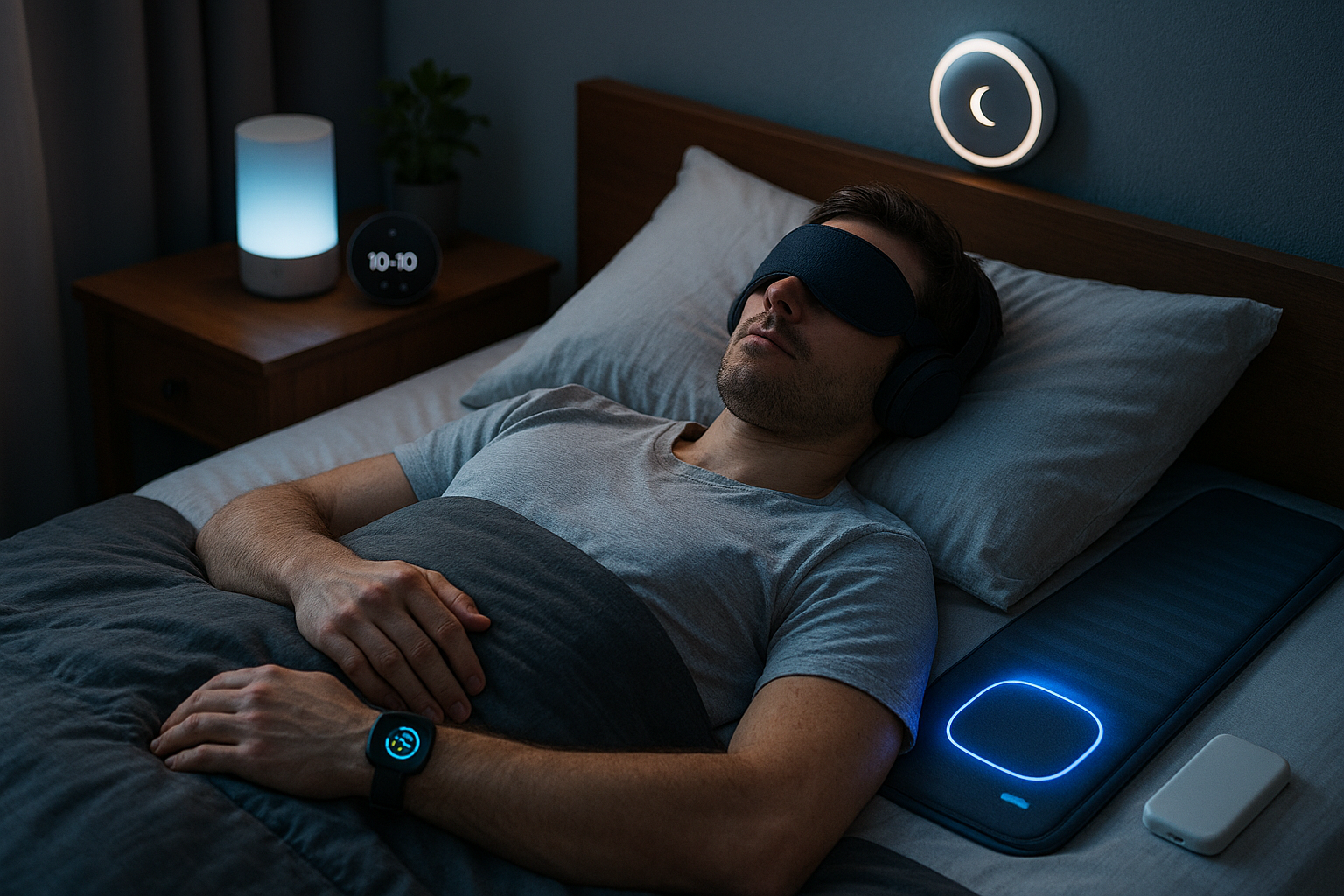
Are you tired of being tired? Do you wake up feeling like you haven’t slept at all, despite spending 8 hours in bed? You’re not alone – and the solution might be hiding in the incredible world of sleep optimization gadgets that are transforming bedrooms into high-tech sleep laboratories! 💤✨
The global sleep tech market has absolutely exploded, reaching $24.85 billion in 2024 and projected to skyrocket to $134.60 billion by 2034 – that’s an incredible 18.46% annual growth rate! Meanwhile, wearable sleep trackers alone are expected to grow from $15.1 billion in 2024 to $41.7 billion by 2034. This isn’t just a trend – it’s a revolution in how we approach one of the most critical aspects of human health.
Here’s the shocking reality: 70% of adults globally struggle with sleep problems, with 35% of Americans getting less than the recommended 7 hours of sleep per night. Poor sleep doesn’t just make you groggy – it’s linked to obesity, diabetes, heart disease, and even shortened lifespan. But what if technology could be the answer instead of the problem?
The Science Behind Sleep Optimization Technology 🧬
Your brain is incredibly complex during sleep, cycling through different stages that serve specific purposes. Traditional sleep advice tells you to count sheep or avoid screens, but modern sleep optimization gadgets work with your body’s natural processes using cutting-edge technology that would make NASA jealous.
Modern sleep technology leverages biometric sensors, artificial intelligence, and environmental controls to create personalized sleep experiences. These aren’t just fancy gadgets – they’re scientifically designed tools that monitor your heart rate, breathing patterns, body temperature, brain waves, and movement to understand exactly what your body needs for optimal rest.
The breakthrough came when researchers discovered that sleep quality isn’t just about duration – it’s about timing, temperature, environment, and sleep stage optimization. Your body naturally drops in temperature when preparing for sleep, requires specific sound frequencies for deep sleep, and needs precise timing for REM cycles. Sleep optimization gadgets work with these natural processes instead of against them.
Just like how artificial intelligence is transforming every aspect of our digital lives, AI-powered sleep technology is revolutionizing how we approach rest and recovery.
Revolutionary Wearable Sleep Trackers: Your Personal Sleep Scientists 📱
Wearable sleep trackers have evolved far beyond simple step counters to become sophisticated health monitoring systems that rival medical-grade equipment. The global wearable sleep tracker market reached $15.1 billion in 2024 and is growing at 10.7% annually as consumers discover the power of data-driven sleep optimization.
The Oura Ring 4: The Ultimate Sleep Intelligence Ring 💍
The Oura Ring 4 represents the pinnacle of wearable sleep technology with its sleek titanium design housing sensors that monitor heart rate, heart rate variability, body temperature, blood oxygen levels, and movement patterns. What sets it apart is the AI-powered analysis that learns your patterns and provides personalized recommendations.
Key features that make it extraordinary:
- Up to 8 days of battery life on a single charge
- 99% heart rate accuracy matching medical ECG standards
- Sleep stage tracking (light, deep, REM, awake)
- Temperature-based illness prediction
- Recovery and readiness scoring
- Integration with 100+ health apps
The Oura Ring costs around $299 with a $6 monthly subscription, but users report life-changing improvements in sleep quality and daytime energy levels.
WHOOP 4.0: The Athlete’s Sleep Optimization Tool 🏃♂️
Professional athletes swear by WHOOP for optimizing recovery and performance through advanced sleep and strain monitoring. The device tracks heart rate variability, respiratory rate, skin temperature, and sleep efficiency to provide detailed recovery metrics.
What makes WHOOP special:
- Continuous 24/7 monitoring without charging interruptions
- Advanced recovery analytics based on HRV and sleep quality
- Strain coaching to optimize training and rest balance
- Any-Wear technology allowing placement in clothing instead of wrist wear
- Professional athlete validation from NFL, NBA, and Olympic teams
WHOOP operates on a subscription model ($30/month) that includes the hardware, making it accessible for serious sleep optimization enthusiasts.
Samsung Galaxy Watch 7: AI-Powered Sleep Intelligence 🤖
Samsung’s latest smartwatch combines comprehensive health tracking with advanced AI sleep analysis. The device earned praise for its accuracy in sleep detection and AI-powered suggestions for better rest.
Advanced features include:
- Sleep apnea detection after just a few nights of monitoring
- AI sleep coaching with personalized animal avatars representing sleep patterns
- Energy Score combining sleep and activity data
- Advanced sleep stage monitoring with medical-grade accuracy
- Integration with Samsung Health ecosystem
Similar to how smartwatches are evolving with artificial intelligence, sleep tracking has become one of the most valuable features for health-conscious consumers.
Smart Mattresses: Transforming Your Bed Into a Sleep Laboratory 🛏️
Smart mattresses represent the most significant innovation in sleep technology since the invention of the coil spring. The smart mattress market grew from $1.7 billion in 2024 to $1.8 billion in 2025 and is projected to reach $2.4 billion by 2034 as consumers discover the benefits of intelligent sleep surfaces.
Eight Sleep Pod 5: The Tesla of Smart Mattresses 🚗
The Eight Sleep Pod 5 is like having a personal sleep technician working all night to optimize your rest. This revolutionary system combines water-based temperature control, biometric monitoring, and AI-powered adjustments to create the ultimate sleep experience.
Groundbreaking capabilities:
- Temperature control from 55°F to 110°F with dual-zone settings for couples
- Real-time biometric monitoring (heart rate, HRV, respiratory rate)
- Automatic elevation adjustments to reduce snoring
- Integrated soundscapes that adapt to your sleep stages
- Health Check system that monitors for illness indicators
- GentleRise wake-up technology using chest-level vibration
The Pod 5 costs $3,000-$4,400 depending on size, with a $19 monthly subscription. Users report dramatic improvements in sleep quality, with some experiencing the best sleep of their lives within weeks of use.
Sleep Number ClimateCool: Personalized Comfort Technology 🌡️
Sleep Number’s ClimateCool smart bed offers dual-sided temperature control with adjustable firmness that adapts to your body throughout the night. The system uses ambient sensors to automatically adjust temperature based on room conditions.
Advanced features:
- 50 different firmness levels for personalized comfort
- Active cooling and warming technology
- Sleep stage monitoring with detailed analytics
- Partner snore detection and response
- Smart home integration with voice control
- 100-night trial period for risk-free testing
Tempur-Pedic ActiveBreeze: Medical-Grade Sleep Technology 🏥
The Tempur-Pedic ActiveBreeze represents the intersection of medical research and consumer sleep technology. The system includes automatic snore response that elevates your head when snoring is detected, potentially reducing sleep apnea symptoms.
Professional-grade features:
- Active heating and cooling with ±30-degree temperature control
- Automatic anti-snoring position adjustment
- Medical-grade sleep monitoring
- All-foam construction for superior motion isolation
- Smart PowerBase with health monitoring capabilities
These smart mattresses cost significantly more than traditional mattresses, but the health benefits and sleep quality improvements often justify the investment for serious sleep optimization enthusiasts.
Environmental Sleep Optimization: Creating the Perfect Sleep Sanctuary 🏠
Your bedroom environment plays a crucial role in sleep quality – and modern technology can optimize every aspect of your sleep space. Environmental sleep technology focuses on controlling temperature, light, sound, and air quality to create ideal conditions for restorative rest.
Advanced Temperature Control Systems 🌬️
Temperature regulation is critical for sleep optimization because your body naturally drops 1-2 degrees during sleep preparation. Smart temperature control systems work with this natural process rather than against it.
BedJet Climate Control System uses air-based cooling and warming to create the perfect sleep temperature without changing your mattress feel. The system can cool beds down to 55°F or warm them up to 110°F, with programmable temperature schedules throughout the night.
ChiliPad Dock Pro uses water-based temperature control combined with AI sleep tracking to automatically adjust temperature based on your sleep stages. The system learns your patterns and makes real-time adjustments to keep you in deeper sleep longer.
Much like how smart home automation is revolutionizing household management, intelligent climate control is transforming bedroom environments for optimal sleep.
Smart Lighting for Circadian Rhythm Optimization 💡
Light exposure directly affects your circadian rhythm – the internal clock that regulates sleep-wake cycles. Smart lighting systems work with your body’s natural rhythms to promote better sleep timing and quality.
Hatch Restore 3 combines sunrise alarm technology with white noise and meditation features. The device gradually brightens to mimic natural sunrise, helping you wake up naturally without jarring alarm sounds. Evening mode uses warm red and blue light to signal bedtime preparation.
Philips SmartSleep Wake-Up Light uses clinically proven light therapy to improve energy levels and mood. The device gradually increases light intensity over 30 minutes before your wake time, simulating natural sunrise even during dark winter months.
Smart bulb systems like those from Philips Hue can automatically adjust throughout the day – bright, cool light during the day to maintain alertness, and warm, dim light in the evening to promote sleepiness.
Advanced Sound Optimization Technology 🎵
Sound plays a crucial role in sleep quality – both disruptive noises that prevent sleep and beneficial sounds that promote deeper rest. Modern sound optimization technology goes far beyond simple white noise machines.
Adaptive Sound Systems like the Sound+Sleep SE offer 64 different sounds with adaptive technology that adjusts volume based on ambient noise levels. The system can detect external noise and automatically increase masking sounds to maintain consistent sleep conditions.
Yogasleep Dohm Classic represents the gold standard of mechanical white noise machines. Unlike digital recordings, the actual fan creates truly random sound patterns without loops or digital artifacts that can subconsciously disrupt sleep.
Smart Speaker Integration allows voice-controlled sleep routines with devices like Amazon Echo. You can create custom sleep playlists, set sleep timers, and control multiple bedroom devices with simple voice commands.
Similar to how optimizing computer performance requires addressing multiple system components, optimizing sleep requires coordinating multiple environmental factors.
AI-Powered Sleep Coaching: Your Personal Sleep Scientist 🤖
Artificial intelligence has revolutionized sleep optimization by analyzing vast amounts of data to provide personalized recommendations that adapt to your unique sleep patterns, lifestyle, and goals. AI sleep coaches can process millions of data points to identify patterns humans would never notice.
Elemind Neurotechnology: Brain Wave Optimization 🧠
Elemind represents a breakthrough in neurotechnology with a headband that measures EEG brain signals and delivers precise acoustic stimulation to help you fall asleep faster and achieve deeper sleep. Clinical studies show 76% of users fall asleep 48% faster on average.
Revolutionary technology includes:
- Real-time brain wave monitoring and intervention
- Patented acoustic stimulation technology
- AI learning that adapts to your unique brain patterns
- Ability to restart sleep sessions if you wake during the night
- No drugs or side effects required
Users report dramatic improvements in sleep onset time and sleep quality, with some experiencing life-changing results for chronic insomnia.
Sleep.ai Intelligence Platform: Data-Driven Sleep Improvement 📊
Sleep.ai processes over 200 billion data points to provide the most sophisticated sleep analysis available to consumers. The platform uses machine learning to identify patterns and provide actionable recommendations for sleep optimization.
Advanced capabilities:
- Comprehensive sleep pattern analysis
- Lifestyle correlation reports showing how daily activities affect sleep
- Personalized coaching based on individual sleep architecture
- Integration with major wearable devices and health platforms
- Medical-grade sleep disorder screening
SleepSpace: Comprehensive Sleep Ecosystem 🌟
SleepSpace combines sleep tracking, environmental control, and AI coaching into a comprehensive sleep optimization system. The app works with or without wearables, using smartphone sensors when needed.
Integrated features:
- Smart sound machine with adaptive noise based on sleep stages
- AI sleep coaching with personalized recommendations
- CBT-I (Cognitive Behavioral Therapy for Insomnia) programs
- Circadian rhythm alignment tools
- Integration with major wearable devices
The same comprehensive approach that makes cloud platforms successful applies to sleep optimization – multiple integrated technologies working together provide better results than isolated solutions.
Non-Wearable Sleep Monitoring: Effortless Sleep Tracking 📡
Many people prefer sleep tracking without wearing devices – and modern technology makes this possible with sophisticated sensors that monitor sleep from your mattress, bedside, or even using smartphone technology.
Withings Sleep Analyzer: Medical-Grade Mattress Monitoring 🏥
The Withings Sleep Analyzer slips under your mattress and provides clinically validated sleep tracking without any wearable devices. The system monitors heart rate, breathing patterns, sleep cycles, and even detects snoring.
Professional features:
- Pneumatic sensor technology for precise monitoring
- Sleep apnea detection with medical accuracy
- Smart home integration for automated routines
- Detailed sleep reports with actionable insights
- No charging or maintenance required
Sleepme Sleep Tracker: AI-Powered Temperature Integration 🌡️
The Sleepme Sleep Tracker combines comprehensive sleep monitoring with intelligent temperature control when paired with their ChiliPad system. The ultra-thin pad uses ballistocardiography to track heart rate, breathing, and movement.
Innovative capabilities:
- Non-wearable monitoring with medical-grade accuracy
- AI-powered temperature adjustments based on sleep stages
- Integration with Apple Health and Google Health Connect
- Real-time sleep improvement through automated adjustments
- Works with any mattress size and type
Smartphone-Based Sleep Tracking: Always Available Technology 📱
Modern smartphones contain sophisticated sensors capable of accurate sleep tracking without additional devices. Apps like SleepSpace and SleepScore use sonar technology, accelerometers, and microphones to monitor sleep patterns.
Advanced smartphone tracking:
- Sonar-based contactless monitoring
- Environmental noise analysis and adaptive sound recommendations
- Movement pattern recognition through accelerometer data
- Integration with existing health apps and wearables
- No additional hardware required
Just as smartphone technology continues advancing with hidden features, sleep tracking capabilities in phones are becoming surprisingly sophisticated.
White Noise and Sound Therapy Technology: Engineering Perfect Audio Sleep Environment 🎧
Sound therapy has become one of the most effective non-pharmaceutical sleep interventions with modern devices offering far more than basic white noise. The technology now includes adaptive algorithms, personalized sound profiles, and integration with sleep stage monitoring.
Hatch Restore 3: Comprehensive Sleep Audio System 🌅
The Hatch Restore 3 combines white noise, meditation, and sunrise alarm technology in a beautifully designed bedside device that doubles as a smart alarm clock and sound machine.
Integrated features:
- Extensive audio library with sleep stories, meditations, and soundscapes
- Sunrise alarm with gradually brightening light
- Multiple noise colors (white, pink, brown) for different sleep needs
- Smart home integration with voice control
- Subscription service with regularly updated content
Yogasleep Dohm Classic: The Gold Standard of Mechanical White Noise 🌪️
Mechanical white noise machines create truly random sound patterns that are more effective than digital recordings for masking disruptive noises. The Yogasleep Dohm has been the industry standard since the 1960s.
Why mechanical beats digital:
- True random sound with no loops or digital artifacts
- Adjustable tone and volume through fan speed control
- More natural sound that doesn’t fatigue the ear
- No electrical interference or digital noise
- Proven track record with decades of satisfied users
SNOOZ Smart White Noise Machine: App-Controlled Sleep Audio 📲
The SNOOZ combines mechanical fan technology with smartphone app control for the best of both worlds. The device creates real fan sounds while offering modern convenience features.
Smart features:
- Real fan sounds with app-controlled volume and tone
- Scheduled operation based on sleep routine
- Travel-friendly size with excellent sound quality
- Non-looping audio that won’t subconsciously disturb sleep
- Integration with sleep tracking apps
The importance of optimizing your audio environment mirrors how proper tech setup creates better working conditions – the right environment dramatically improves performance.
Sleep Environment Automation: Smart Home Integration for Perfect Sleep 🏡
Your entire bedroom can become an intelligent ecosystem that automatically adjusts lighting, temperature, sound, and air quality based on your sleep patterns and preferences. Smart home integration takes sleep optimization to the next level by coordinating multiple systems.
Automated Bedtime Routines 🌙
Voice-activated bedtime sequences can trigger comprehensive sleep preparation throughout your home. A simple “goodnight” command can:
- Dim or turn off lights in living areas
- Adjust bedroom temperature to optimal sleep range (65-68°F)
- Activate white noise or sleep sounds
- Turn off entertainment systems and lock doors
- Set morning alarms and coffee makers
- Close smart curtains or blinds
Smart Lighting Systems for Circadian Health ☀️
Circadian lighting systems automatically adjust color temperature and brightness throughout the day to support natural sleep-wake cycles. Cool, bright light during the day maintains alertness, while warm, dim light in the evening promotes sleepiness.
Advanced lighting features:
- Automatic color temperature adjustment based on time of day
- Gradual dimming and brightening to simulate natural light cycles
- Red light therapy for evening relaxation without melatonin suppression
- Motion-activated night lighting with sleep-friendly colors
- Integration with sleep trackers for personalized timing
Air Quality Optimization Technology 🌿
Poor air quality can significantly impact sleep quality – and smart air purification systems ensure optimal breathing conditions throughout the night.
Dyson Purifier Humidify+Cool Formaldehyde removes allergens, maintains optimal humidity (40-50%), and filters harmful pollutants while providing quiet operation during sleep hours.
Smart air quality systems monitor:
- Allergen levels and automatically activate filtration
- Humidity levels with automatic adjustment
- Temperature control integrated with HVAC systems
- Air circulation patterns optimized for sleep comfort
- Chemical pollutant detection and removal
Just like comprehensive cloud security requires multiple layers of protection, optimal sleep requires coordinated environmental control systems.
Cutting-Edge Sleep Monitoring Technology: Beyond Basic Tracking 🔬
The most advanced sleep optimization gadgets use multiple sensor types to provide comprehensive monitoring that rivals professional sleep lab equipment. These systems track biometrics, environmental factors, and behavioral patterns to create complete sleep profiles.
Eight Sleep Health Check: Medical-Grade Home Monitoring 🏥
Eight Sleep’s Health Check system provides the first non-wearable, real-time health monitoring that tracks heart rate, heart rate variability, and respiratory patterns while you sleep. The system can detect health disruptions before symptoms appear.
Medical-grade capabilities:
- 99% heart rate accuracy matching clinical ECG standards
- Baseline health modeling over 2-4 weeks
- Early warning system for breathing and heart irregularities
- Trend analysis for long-term health monitoring
- Integration with healthcare providers for medical consultation
Sleep Number Biometric Sleep Monitoring 📈
Sleep Number smart beds include research-grade sensors that monitor heart rate, breathing rate, motion, and sleep cycles with medical accuracy. The data helps identify sleep disorders and optimize sleep quality.
Professional monitoring includes:
- Continuous biometric tracking throughout the night
- Sleep stage analysis with REM, deep, and light sleep identification
- Breathing disturbance detection for sleep apnea screening
- Movement pattern analysis for restless leg syndrome identification
- Partner sleep impact assessment for couples
Elemind EEG Sleep Optimization 🧠
Elemind technology directly monitors and influences brain activity using EEG sensors and acoustic stimulation to optimize sleep architecture. This represents the most advanced consumer sleep technology available.
Neurotechnology features:
- Real-time brain wave monitoring and analysis
- Targeted acoustic stimulation to promote deeper sleep
- Sleep stage optimization through audio intervention
- Ability to restart sleep sessions if awakened
- Clinically proven effectiveness for faster sleep onset
Similar to how advanced computing requires powerful processors, advanced sleep optimization requires sophisticated monitoring and intervention technology.
Sleep Disorder Detection and Management Technology 🩺
Sleep optimization gadgets are increasingly capable of detecting and managing clinical sleep disorders that affect millions of people worldwide. Early detection through consumer technology can lead to proper medical treatment and dramatically improved quality of life.
Sleep Apnea Detection Technology 😤
Obstructive sleep apnea affects 39 million American adults and often goes undiagnosed for years. Modern sleep technology can identify breathing disturbances and recommend medical evaluation.
Detection capabilities include:
- Breathing pattern analysis during sleep
- Oxygen saturation monitoring through pulse oximetry
- Snoring detection and severity assessment
- Sleep position correlation with breathing events
- Automatic medical referral recommendations
Apple Watch Series 9 and newer models received FDA approval for sleep apnea detection, making this life-saving technology available to millions of smartwatch users.
Insomnia Management Systems 😣
Insomnia affects 30-40% of adults annually and costs the U.S. economy approximately $63 billion in lost productivity. Technology-based interventions offer effective alternatives to pharmaceutical treatments.
CBT-I (Cognitive Behavioral Therapy for Insomnia) apps like Sleepio provide evidence-based digital therapeutic approaches approved by healthcare agencies. These programs teach sleep restriction, stimulus control, and relaxation techniques through interactive smartphone applications.
Restless Leg Syndrome and Movement Disorder Tracking 🦵
Movement-based sleep disorders can be tracked and managed using accelerometer technology in wearable devices and smart mattresses. Pattern recognition algorithms identify abnormal movement that may indicate underlying conditions.
The same analytical approach used in troubleshooting network issues applies to sleep disorder identification – systematic monitoring and analysis reveal problems that aren’t obvious to casual observation.
Future-Forward Sleep Technology: What’s Coming Next 🚀
The sleep technology industry continues evolving rapidly with emerging technologies that promise even more sophisticated sleep optimization capabilities. Understanding these trends helps make smart long-term investments in sleep health.
Quantum Sensors and Ultra-Precise Monitoring 🔬
Next-generation sleep monitoring will use quantum sensors capable of detecting minute physiological changes invisible to current technology. These sensors will provide unprecedented accuracy in sleep stage detection, health monitoring, and environmental optimization.
Virtual Reality Sleep Therapy 🥽
VR sleep therapy systems are being developed to provide immersive relaxation experiences that help users fall asleep faster through guided meditation, calming environments, and breathing exercises.
Biorhythm Optimization Technology ⏰
Advanced circadian rhythm optimization will use genetic testing, lifestyle analysis, and environmental monitoring to create personalized sleep schedules that work with individual biological rhythms rather than standard recommendations.
Smart Fabric Integration 🧵
Future bedding and sleepwear will include integrated sensors that monitor body temperature, moisture levels, and movement without any external devices. Smart fabrics will automatically adjust their properties based on sleep stage and environmental conditions.
The future of sleep technology parallels broader trends in technological advancement – increasing sophistication, better integration, and more personalized experiences.
Budget-Friendly Sleep Optimization: Great Sleep Tech Under $200 💰
You don’t need to spend thousands to significantly improve your sleep through technology. Strategic purchases of budget-friendly sleep optimization gadgets can provide excellent results for most users.
Essential Budget Sleep Tech Stack ($150-$200)
LectroFan Classic White Noise Machine ($50): Offers 20 non-looping sounds including white, pink, and brown noise with excellent sound quality and compact design perfect for travel.
Fitbit Inspire 3 ($100): Provides comprehensive sleep tracking including sleep stages, sleep score, and integration with smartphone health apps. 10-day battery life eliminates charging concerns.
Smart Light Bulbs ($25-$50): Programmable LED bulbs that automatically adjust color temperature throughout the day to support circadian rhythms.
Mid-Range Optimization Systems ($200-$500)
Hatch Restore 3 ($200): Combines white noise, sunrise alarm, and meditation features in a beautifully designed bedside device with extensive audio library.
Oura Ring Generation 3 ($299): Comprehensive health and sleep tracking with AI-powered insights, though requiring monthly subscription for full features.
BedJet V3 Climate Control ($400): Air-based cooling and warming system that works with any mattress to provide precise temperature control.
Premium Sleep Technology ($500-$1,500)
Withings Sleep Analyzer ($130): Medical-grade sleep monitoring with sleep apnea detection, requiring no wearable devices.
ChiliPad Dock Pro ($1,200-$1,500): Water-based temperature control with AI sleep tracking for automatic optimization.
Professional White Noise Systems ($200-$400): Commercial-grade sound masking with adaptive technology and extensive sound libraries.
Smart budgeting for sleep technology follows the same principles as effective financial planning – prioritize high-impact investments that provide the greatest return on investment.
Sleep Technology Integration: Creating Comprehensive Sleep Systems 🔗
The most effective sleep optimization comes from integrating multiple technologies rather than relying on single devices. Comprehensive sleep systems coordinate tracking, environmental control, and intervention technologies for maximum effectiveness.
Smart Home Sleep Ecosystem Integration 🏠
Modern sleep systems integrate with smart home platforms to create automated bedtime routines that prepare your entire living space for optimal sleep.
Comprehensive integration includes:
- Sleep tracker data triggering environmental adjustments
- Voice control for hands-free bedroom management
- Automated device shutdown to reduce electromagnetic interference
- Security system integration for peace of mind
- Energy management to optimize electrical consumption during sleep
Health Platform Integration 🔗
Sleep data becomes most valuable when integrated with comprehensive health monitoring that includes fitness, nutrition, stress, and medical data for holistic health optimization.
Platform integrations:
- Apple Health and Google Health Connect for comprehensive health dashboards
- Medical provider integration for clinical sleep disorder monitoring
- Fitness tracking correlation with sleep quality and recovery
- Nutrition app integration to identify foods affecting sleep
- Stress monitoring to understand anxiety impacts on sleep
Multi-Device Coordination 📱
The most sophisticated sleep systems coordinate multiple devices to provide seamless sleep optimization without user intervention.
Advanced coordination features:
- Wearable devices triggering mattress temperature adjustments
- Sleep stage detection activating appropriate sound therapy
- Environmental sensors adjusting room conditions automatically
- Health monitoring systems alerting to potential issues
- Recovery optimization based on integrated activity and sleep data
Just as effective IT systems require integration between multiple components, optimal sleep systems benefit from coordinated technology working together.
The Economics of Sleep Technology: ROI on Rest Investment 💸
Investing in sleep optimization technology provides measurable returns through improved health, productivity, and quality of life. Understanding the economic benefits helps justify the investment in advanced sleep systems.
Health Cost Savings 🏥
Poor sleep contributes to numerous expensive health conditions including diabetes, heart disease, obesity, and mental health disorders. Preventing these conditions through better sleep provides enormous long-term savings.
Economic benefits:
- Reduced healthcare costs from sleep-related health problems
- Decreased medication needs for sleep disorders and related conditions
- Lower insurance premiums for demonstrably healthy sleep patterns
- Reduced sick days and medical interventions
- Prevention of expensive sleep disorder treatments
Productivity and Performance Improvements 📈
Better sleep directly translates to improved cognitive performance and workplace productivity. Studies show well-rested individuals earn more, perform better, and have greater career success.
Performance benefits:
- Improved focus and decision-making abilities
- Enhanced memory consolidation and learning
- Better emotional regulation and stress management
- Increased physical performance and recovery
- Higher creativity and problem-solving capabilities
Quality of Life Enhancements 😊
The intangible benefits of quality sleep include improved relationships, better mood, enhanced appearance, and overall life satisfaction that are difficult to quantify but enormously valuable.
The same cost-benefit analysis approach used for major technology purchases applies to sleep technology – the long-term benefits often far exceed the initial investment.
Legal and Safety Considerations for Sleep Technology ⚖️
Sleep monitoring technology raises important privacy and safety considerations that users should understand before implementing comprehensive monitoring systems. While these devices offer tremendous benefits, responsible use requires awareness of potential risks.
Data Privacy and Security 🔒
Sleep data is highly personal health information that requires protection from unauthorized access, corporate misuse, and potential security breaches.
Privacy considerations:
- Data storage location and encryption standards
- Third-party data sharing policies and practices
- User control over data deletion and portability
- Medical data protection under HIPAA regulations
- International data transfer and sovereignty issues
Electromagnetic Field (EMF) Exposure 📡
Sleep technology devices emit low levels of electromagnetic radiation that some users prefer to minimize during sleep hours. While current research suggests minimal health risks, some people choose EMF-reduced options.
EMF mitigation strategies:
- Airplane mode for wearable devices during sleep
- Wired connections instead of wireless when possible
- Distance-based monitoring (under-mattress sensors vs. wearables)
- Scheduled monitoring rather than continuous operation
- EMF-shielded bedding and sleep environments
Medical Device Regulations 🏥
Some sleep technology approaches medical device classification and may require FDA approval or medical supervision for certain health claims or diagnostic capabilities.
Similar to how cybersecurity requires constant vigilance, sleep technology users should stay informed about privacy and safety best practices.
Practical Implementation: Building Your Personal Sleep Optimization System 🛠️
Creating an effective sleep optimization system requires strategic planning rather than random gadget accumulation. The most successful implementations start with assessment, prioritize high-impact interventions, and gradually build comprehensive systems.
Phase 1: Assessment and Foundation ($100-$300)
Start with basic monitoring to understand your current sleep patterns before investing in expensive intervention technology.
Essential first steps:
- Sleep tracking device (Fitbit Inspire, smartphone app, or basic wearable)
- White noise machine for environmental control
- Smart bulbs for circadian lighting support
- Sleep diary to correlate technology data with subjective experiences
Phase 2: Environmental Optimization ($300-$800)
Add environmental control systems once you understand your specific sleep challenges and patterns.
Environmental upgrades:
- Temperature control system (BedJet, ChiliPad, or smart thermostat)
- Advanced sound system (Hatch Restore, SNOOZ, or smart speakers)
- Air quality management (purifier, humidifier, smart HVAC integration)
- Light therapy devices for circadian rhythm optimization
Phase 3: Advanced Integration ($800-$2,500)
Invest in sophisticated monitoring and intervention technology for comprehensive sleep optimization.
Advanced systems:
- Smart mattress or mattress topper with biometric monitoring
- Professional-grade sleep tracking (Oura Ring, WHOOP, or medical devices)
- AI-powered sleep coaching and intervention systems
- Complete smart home integration with automated routines
Phase 4: Professional-Grade Systems ($2,500+)
For serious sleep optimization enthusiasts who want the most advanced technology available.
Professional equipment:
- Complete smart mattress systems (Eight Sleep Pod, Tempur-Pedic ActiveBreeze)
- Neurotechnology devices (Elemind, Muse S headband)
- Medical-grade monitoring with healthcare provider integration
- Custom smart home automation designed specifically for sleep optimization
The systematic approach to building sleep technology systems mirrors strategic cloud adoption – start with basics, add capabilities based on specific needs, and integrate systems for maximum effectiveness.
Common Mistakes and How to Avoid Them ❌
Many people waste money on sleep technology by making common mistakes that prevent them from achieving optimal results. Understanding these pitfalls helps make smarter purchasing decisions and implementation strategies.
Over-Relying on Technology Without Addressing Basics 📱
Technology cannot overcome fundamentally poor sleep hygiene. No gadget can compensate for excessive caffeine, irregular sleep schedules, or stimulating activities before bedtime.
Foundation requirements:
- Consistent sleep schedule (within 30 minutes daily)
- Caffeine cutoff at least 6 hours before bedtime
- Regular exercise (but not within 3 hours of sleep)
- Stress management and relaxation techniques
- Comfortable mattress and pillows appropriate for sleep position
Choosing Incompatible or Redundant Systems 🔄
Many users purchase multiple devices that track the same metrics without adding value or choose systems that don’t integrate well together.
Smart purchasing strategies:
- Identify specific sleep challenges before buying solutions
- Research device compatibility and integration capabilities
- Avoid redundant monitoring (multiple heart rate trackers)
- Prioritize systems that grow and expand over time
- Consider long-term costs including subscriptions and upgrades
Ignoring Individual Differences and Preferences 👤
Sleep optimization is highly individual – what works for others may not work for you. Successful implementation requires personalization and adaptation.
Personalization factors:
- Sleep position preferences (side, back, stomach sleepers have different needs)
- Temperature preferences (hot vs. cold sleepers)
- Noise sensitivity and sound preferences
- Light sensitivity and circadian rhythm timing
- Partner considerations and dual-zone requirements
The same attention to individual requirements that’s essential for choosing the right technology applies to sleep optimization – one size definitely does not fit all.
Expert Recommendations: Building the Ultimate 2025 Sleep Tech Stack 🏆
Based on extensive research and user feedback, here are the most effective sleep optimization technology combinations for different users and budgets.
For Sleep Tracking Enthusiasts: Data-Driven Optimization 📊
Perfect for: People who want detailed insights into their sleep patterns and enjoy analyzing health data.
Recommended stack:
- Oura Ring 4 ($299 + $6/month) for comprehensive wearable tracking
- Withings Sleep Analyzer ($130) for non-wearable validation and partner monitoring
- Sleep.ai app integration for advanced analytics and AI coaching
- Smart lighting system for circadian rhythm optimization
For Hot Sleepers: Temperature-Focused Solutions 🔥
Perfect for: People who consistently wake up overheated or struggle with temperature regulation.
Recommended stack:
- Eight Sleep Pod 5 Core ($3,000+) for active cooling and heating
- BedJet V3 ($400) as a more affordable alternative
- Smart thermostat with sleep mode automation
- Cooling sheets and moisture-wicking sleepwear
For Light Sleepers: Environmental Control Systems 👂
Perfect for: People easily awakened by noise, light, or environmental changes.
Recommended stack:
- SNOOZ Smart White Noise Machine ($80) for consistent sound masking
- Blackout curtains with smart controls for complete light blocking
- Air purifier with quiet operation for clean, consistent air quality
- Motion-activated night lighting with red spectrum bulbs
For Couples: Dual-Zone Optimization 💑
Perfect for: Partners with different sleep preferences, schedules, or needs.
Recommended stack:
- Smart mattress with dual-zone temperature control
- Individual sleep trackers (Oura Ring or smartwatches) for personalized insights
- Dual-zone climate control systems
- Smart alarms that wake individuals without disturbing partners
The strategic approach to building sleep technology systems follows the same principles as building effective remote work setups – identify specific needs, invest in quality solutions, and integrate systems for maximum effectiveness.
The Sleep Technology Revolution: Why This Matters Now 🌍
We’re living through the most significant transformation in sleep science since the discovery of REM sleep in the 1950s. Sleep optimization gadgets represent more than consumer electronics – they’re tools for addressing one of the most pressing health crises of our time.
The global sleep crisis is real and devastating: 70 million Americans suffer from chronic sleep disorders, costing the economy over $100 billion annually in lost productivity, medical expenses, and accidents. Poor sleep contributes to obesity epidemics, mental health crises, and shortened lifespans across all demographics.
But technology offers unprecedented hope. For the first time in human history, we have tools that can monitor, analyze, and optimize sleep with scientific precision in our own homes. We can detect sleep disorders before they become serious health problems. We can personalize sleep environments to individual needs. We can use artificial intelligence to identify patterns and solutions that would be impossible to discover manually.
The economic opportunity is enormous. The global sleep tech market growing from $24.85 billion in 2024 to $134.60 billion by 2034 represents one of the fastest-growing sectors in healthcare technology. This growth reflects not just technological capability, but genuine human need and market demand.
Personal empowerment through technology allows individuals to take control of their sleep health rather than relying solely on medical intervention after problems develop. Sleep optimization gadgets democratize access to advanced sleep science and put powerful tools in the hands of everyone who needs better rest.
Just as artificial intelligence is revolutionizing professional workflows and decision-making, sleep AI is transforming how we approach rest, recovery, and health optimization.
Taking Action: Your Next Steps to Perfect Sleep 🎯
The most sophisticated sleep optimization gadgets are useless without implementation. Success requires moving from information to action with a strategic approach that builds sustainable improvements over time.
Start with these immediate actions:
- Assess your current sleep quality using a basic sleep tracker or smartphone app for 1-2 weeks to establish baseline data
- Identify your primary sleep challenges (difficulty falling asleep, staying asleep, waking unrefreshed, or environmental disruptions)
- Choose one high-impact intervention based on your specific challenges rather than trying to optimize everything simultaneously
- Implement gradually with 1-2 week adjustment periods between major changes
- Track results objectively using sleep data rather than relying only on subjective feelings
The technology exists. The science is proven. The market is growing explosively because these solutions actually work. But like any powerful tool, sleep optimization gadgets require thoughtful selection, proper implementation, and realistic expectations.
Whether you start with a $50 white noise machine or invest in a complete smart mattress system, the key is starting. Your future self – the one who wakes up refreshed, energized, and ready to tackle anything – is waiting for you to take the first step.
In 2025, perfect sleep isn’t a luxury – it’s achievable through technology. The only question is whether you’re ready to join the sleep optimization revolution and discover what your best rest actually feels like. Sweet dreams! 😴✨