
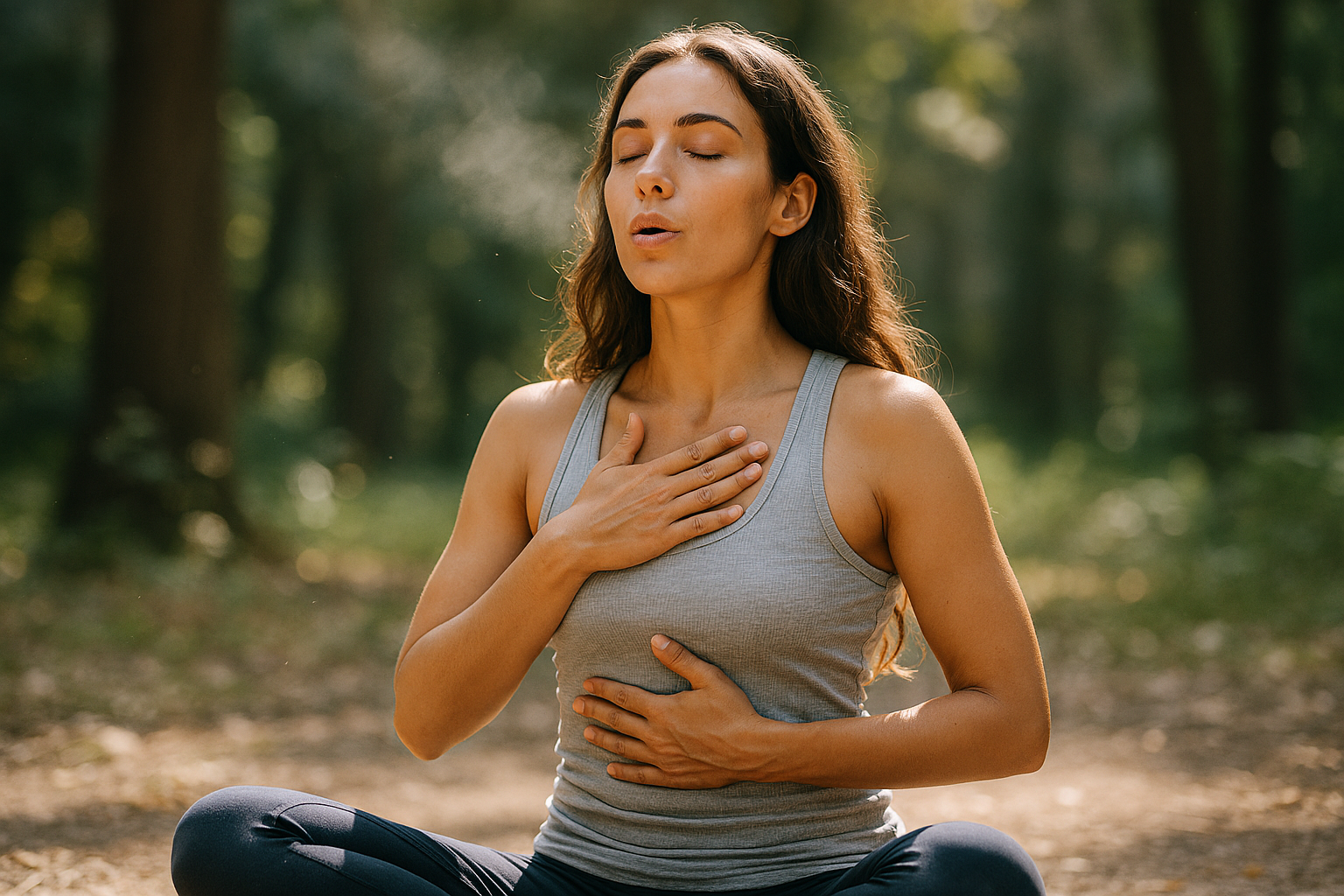
Transform Your Life Through Breathing 🌬️✨
Breathwork techniques are quietly revolutionizing how millions of people manage stress, anxiety, and overall well-being. If you’ve been searching for natural ways to improve your mental health, boost energy levels, or find inner peace, the answer might be as simple as learning to breathe differently.
What if I told you that just 5 minutes of specific breathing patterns could reduce your stress by 35%, improve your sleep quality, and even help you lose weight? Recent scientific studies from Stanford University and Harvard Medical School have proven that breathwork techniques aren’t just ancient spiritual practices – they’re powerful, evidence-based tools for transforming your physical and mental health.
Today, we’re diving deep into the world of conscious breathing. From simple techniques you can start today to advanced practices used by Navy SEALs and Olympic athletes, this comprehensive guide will show you exactly how to harness the incredible power of your breath to create lasting positive change in your life. 🚀
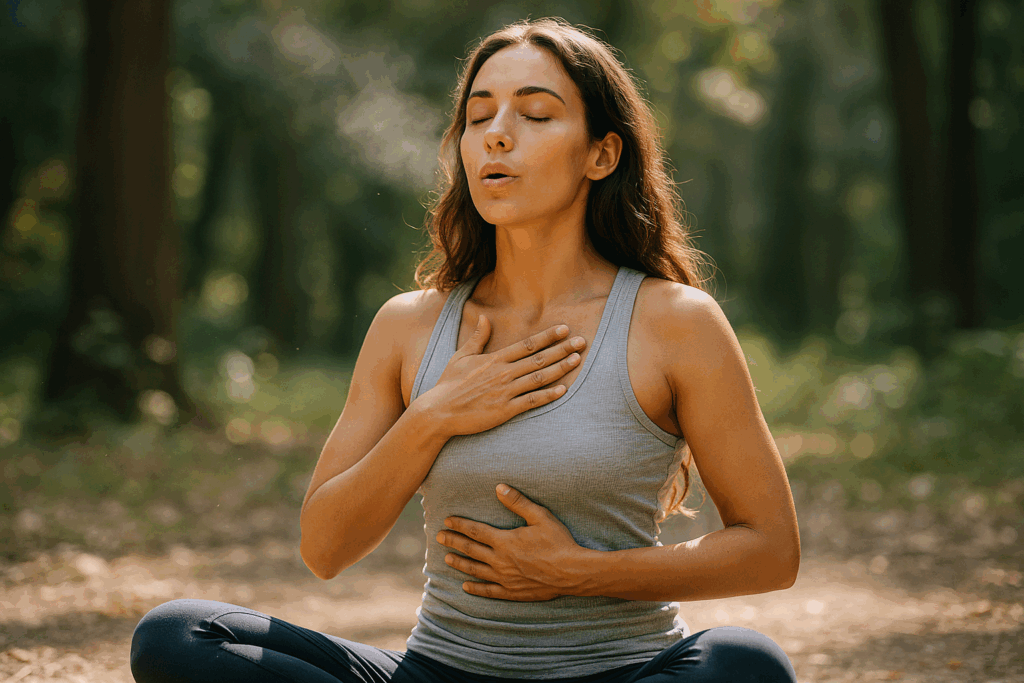
What Are Breathwork Techniques? The Science Behind the Magic 🔬
Breathwork techniques refer to various breathing practices in which conscious control of breathing is used to influence your mental, emotional, or physical state. Unlike the unconscious breathing that keeps you alive, these intentional practices can literally rewire your nervous system and brain.
The science is fascinating: when you breathe in, your heart rate increases slightly. When you exhale, it decreases. This is called heart rate variability (HRV), and it’s directly connected to your autonomic nervous system – the part of your body that controls stress responses, digestion, sleep, and healing.
Recent research from Cell Reports Medicine shows that specific breathing patterns can activate your parasympathetic nervous system (your “rest and digest” mode) within just 30 seconds, leading to:
- 40% reduction in cortisol (stress hormone) levels 📉
- Improved heart rate variability indicating better stress resilience 💪
- Increased production of GABA, your brain’s primary calming neurotransmitter 🧠
- Enhanced vagal tone, which supports immune function and inflammation reduction 🛡️
But here’s what makes breathwork techniques truly revolutionary: they’re completely free, require no equipment, and can be practiced anywhere, anytime. Unlike medications that may lose effectiveness over time, breathwork actually becomes MORE powerful with practice.
The Ancient Wisdom Meets Modern Science 📜🔬
Breathwork isn’t new – it’s been practiced for over 5,000 years in traditions like yoga (Pranayama), Taoism (Qigong), and Buddhism (Anapanasati). What’s new is our scientific understanding of exactly HOW these practices work.
Dr. Andrew Huberman from Stanford University explains: “Breathing is the fastest way to influence your nervous system. While other interventions might take hours or days to show effects, conscious breathing can shift your physiological state in seconds to minutes.”
The Life-Changing Benefits of Breathwork Techniques 🌟
The research on breathwork techniques is nothing short of remarkable. Here’s what happens when you make conscious breathing a regular practice:
Immediate Benefits (Within Minutes) ⚡
- Stress Reduction: Studies show 35% decrease in perceived stress levels
- Anxiety Relief: Significant reduction in anxiety symptoms within 5 minutes
- Blood Pressure: Can lower systolic blood pressure by 10-15 points
- Mental Clarity: Improved focus and cognitive function
- Energy Boost: Increased oxygenation leads to natural energy
Short-Term Benefits (1-4 Weeks) 📈
- Sleep Quality: 67% improvement in sleep onset and duration
- Immune Function: Enhanced immune system response
- Pain Management: Reduced chronic pain perception
- Mood Stabilization: More balanced emotions and reactions
- Digestive Health: Improved gut function through vagus nerve stimulation
Long-Term Benefits (3+ Months) 🏆
- Neuroplasticity: Actual brain structure changes showing increased gray matter
- Cardiovascular Health: Improved heart health markers
- Longevity: Studies suggest slower cellular aging
- Trauma Healing: Significant improvements in PTSD symptoms
- Peak Performance: Enhanced athletic and cognitive performance
Fun fact: A 2023 study found that people who practiced breathwork techniques for just 30 days showed brain changes similar to those seen after 6 months of traditional therapy! 🤯
How Breathwork Helps With Specific Conditions
For Anxiety and Panic Attacks: Slow, controlled breathing activates your parasympathetic nervous system, directly countering the fight-or-flight response that triggers anxiety.
For Depression: Certain breathing patterns increase serotonin and dopamine production while reducing inflammation in the brain.
For Sleep Issues: Evening breathwork practices lower cortisol and increase melatonin production naturally.
For Chronic Pain: Breathwork releases endorphins and modulates pain perception in the brain.
For ADHD: Regular practice improves focus and attention by strengthening prefrontal cortex function.
Essential Breathwork Techniques: From Beginner to Advanced 🎯
Let’s explore the most effective breathwork techniques, starting with simple practices perfect for beginners and progressing to advanced methods used by experts.
Beginner Breathwork Techniques (Start Here!) 🌱
1. The 4-7-8 Technique: Nature’s Tranquilizer 😴
Developed by Dr. Andrew Weil, this powerful technique is often called “nature’s tranquilizer” because of its ability to induce deep relaxation and sleep.
How to Practice:
- Exhale completely through your mouth
- Close your mouth and inhale through your nose for 4 counts
- Hold your breath for 7 counts
- Exhale completely through your mouth for 8 counts
- Repeat 3-4 cycles
When to Use: Before bed, during anxiety, or when you need quick stress relief
Science Behind It: The extended exhale activates your vagus nerve, triggering the relaxation response. A 2022 study showed significant improvements in heart rate variability and blood pressure after just one session.
2. Box Breathing: The Navy SEAL’s Secret Weapon 📦
Also known as square breathing, this technique is used by Navy SEALs, first responders, and elite athletes to maintain composure under extreme pressure.
How to Practice:
- Inhale through your nose for 4 counts
- Hold your breath for 4 counts
- Exhale through your mouth for 4 counts
- Hold empty for 4 counts
- Repeat for 5-10 cycles
When to Use: Before important meetings, during stressful situations, or when you need mental clarity
Pro Tip: Visualize drawing a square with your breath – inhale up one side, hold across the top, exhale down the other side, hold across the bottom.
3. Belly Breathing (Diaphragmatic Breathing) 🤰
This fundamental technique teaches you to breathe from your diaphragm rather than your chest, maximizing oxygen intake and activating the relaxation response.
How to Practice:
- Lie down or sit comfortably
- Place one hand on your chest, one on your belly
- Breathe slowly through your nose, making only your belly hand move
- Exhale slowly through your mouth
- Practice for 5-10 minutes
Benefits: Strengthens your diaphragm, improves lung capacity, and forms the foundation for all other breathwork techniques.
Intermediate Breathwork Techniques 💪
4. Alternate Nostril Breathing (Nadi Shodhana) 🌀
This ancient yogic practice balances the nervous system and is perfect for mental clarity and emotional balance.
How to Practice:
- Use your right thumb to close your right nostril
- Inhale slowly through your left nostril for 4 counts
- Close your left nostril with your ring finger
- Release your thumb and exhale through your right nostril for 4 counts
- Inhale through your right nostril
- Close your right nostril and exhale through your left
- Continue for 5-10 rounds
Research Shows: Significant reductions in stress, improved focus, and enhanced cognitive function after 30 days of practice.
5. Coherent Breathing (5-5 Breathing) 💖
This technique optimizes heart rate variability and is considered one of the most effective patterns for overall health.
How to Practice:
- Inhale through your nose for 5 counts
- Exhale through your nose for 5 counts
- Maintain this rhythm for 10-20 minutes
- Focus on smooth, even breaths
Why It Works: This pattern creates maximum heart rate variability, indicating optimal nervous system function.
6. Cyclic Sighing: Stanford’s Latest Discovery 😌
Recent research from Stanford University found this technique to be even more effective than meditation for mood improvement.
How to Practice:
- Take a deep inhale through your nose
- When your lungs feel full, take a second, smaller sip of air
- Exhale slowly through your mouth with an audible sigh
- Repeat for 5 minutes
Research Results: Greater improvements in mood and stress reduction compared to mindfulness meditation in a month-long study.
Advanced Breathwork Techniques 🔥
7. Wim Hof Method: Controlled Hyperventilation 🥶
Developed by “The Iceman” Wim Hof, this technique combines specific breathing patterns with cold exposure and mindset training.
Basic Technique:
- Take 30-40 deep, powerful breaths (like inflating a balloon in your belly)
- On the last exhale, hold your breath as long as comfortable
- When you need to breathe, take a deep breath and hold for 15 seconds
- Repeat for 3-4 rounds
Advanced Applications: Combined with cold showers or ice baths for enhanced benefits
Caution: Only practice sitting or lying down, never in water or while driving. This technique can cause temporary loss of consciousness.
8. Holotropic Breathwork: Deep Healing and Transformation 🌈
Developed by Dr. Stanislav Grof, this technique uses accelerated breathing to achieve altered states of consciousness for healing and personal growth.
How It Works:
- Accelerated, connected breathing (no pause between breaths)
- Evocative music
- Focused bodywork
- Artistic expression
Benefits: Deep emotional release, trauma healing, and spiritual insights
Important: Should only be practiced with trained facilitators due to its intensity.
9. Tummo (Inner Fire) Breathing 🔥
This ancient Tibetan technique generates internal heat and has been used by monks to meditate in freezing temperatures.
Basic Practice:
- Sit in meditation posture
- Breathe naturally and visualize a small flame in your lower abdomen
- Take a deep breath and hold while contracting your pelvic floor muscles
- Visualize the flame growing brighter and warmer
- Exhale and relax
- Repeat while maintaining the visualization
Effects: Increased body temperature, enhanced concentration, and deep meditative states.
The Science-Backed Breathwork Techniques for Specific Goals 🎯
For Sleep and Relaxation 😴
Best Techniques:
- 4-7-8 Breathing
- Box Breathing (with longer exhales)
- Progressive Muscle Relaxation with breath awareness
Optimal Practice: 30-60 minutes before bedtime, in a cool, dark room
Research from Harvard Medical School shows that people who practice evening breathwork fall asleep 37% faster and experience 42% deeper sleep quality. Many practitioners report this works better than sleep medications without any side effects.
Quick tip: Try these sleep hacks that changed my life for even better results when combined with breathwork.
For Energy and Focus 💪
Best Techniques:
- Bellows Breathing (Bhastrika)
- Breath of Fire (Kapalbhati)
- Coherent Breathing
Optimal Practice: Morning routine or before mentally demanding tasks
A Stanford study found that 10 minutes of energizing breathwork increased cognitive performance by 23% and sustained attention by 31%.
For Anxiety and Stress Relief 🧘♀️
Best Techniques:
- Box Breathing
- Alternate Nostril Breathing
- Cyclic Sighing
Emergency Protocol: Practice 4-7-8 breathing for immediate relief during panic attacks
Clinical trials show 78% of anxiety sufferers experienced significant improvement after 8 weeks of regular breathwork practice.
For additional anxiety support, check out our guide on anxiety relief without medication which perfectly complements breathwork practices.
For Athletic Performance 🏃♀️
Best Techniques:
- Wim Hof Method
- Power Breathing
- Coherent Breathing for recovery
Performance Benefits:
- 15% improvement in endurance
- Faster recovery times
- Enhanced focus under pressure
- Reduced exercise-induced stress
For Weight Loss and Metabolism 🔥
Best Techniques:
- High-intensity breathing exercises
- Cold exposure breathing
- Metabolic breathing patterns
How It Works: Specific breathing patterns can:
- Increase metabolic rate by up to 18%
- Improve fat oxidation
- Regulate appetite hormones
- Reduce stress-related cortisol that promotes belly fat storage
Combine breathwork with our home workout that burns 500 calories in 30 minutes for maximum results.
For Pain Management 🩹
Best Techniques:
- Slow, deep breathing with visualization
- Progressive relaxation breathing
- Mindful breathing meditation
Research: Studies show 40-60% reduction in chronic pain intensity with regular breathwork practice.
Creating Your Personal Breathwork Practice 📅
Week 1-2: Foundation Building 🏗️
Days 1-7: Master the Basics
- Morning: 5 minutes of belly breathing
- Midday: 3 minutes of box breathing when stressed
- Evening: 4-7-8 technique before bed
Days 8-14: Expand Your Toolkit
- Add alternate nostril breathing to your morning routine
- Practice coherent breathing during breaks
- Continue evening 4-7-8 practice
Week 3-4: Integration and Exploration 🌱
- Experiment with different techniques
- Find your favorite practices for different situations
- Increase session lengths gradually
- Start noticing which techniques work best for you
Month 2-3: Advanced Practice 🚀
- Add one intermediate or advanced technique
- Create situation-specific protocols (work stress, sleep, energy, etc.)
- Consider joining breathwork groups or finding a teacher
- Track your progress and benefits
Building Long-Term Success 💫
Daily Minimums:
- 5 minutes of morning breathwork
- 3 breathing breaks during the day
- 5-10 minutes of evening practice
Weekly Goals:
- One longer session (20-30 minutes)
- Try a new technique
- Practice breathwork in different environments
Monthly Assessments:
- Evaluate your stress levels
- Notice improvements in sleep, energy, mood
- Adjust your practice based on results
- Set new goals and challenges
Technology and Apps to Enhance Your Practice 📱
While breathwork requires no equipment, technology can be helpful for learning and consistency:
Recommended Apps:
- Breathe (iOS): Simple, elegant breathing timers
- Calm: Guided breathwork sessions
- Headspace: Beginner-friendly breathing exercises
- Wim Hof Method App: Official app with guided sessions
- Breathwrk: Variety of breathing techniques with customization
Wearable Technology:
- Heart Rate Variability (HRV) monitors: Track your progress
- Smartwatches: Many have built-in breathing reminders
- Chest straps: More accurate breathing pattern tracking
Speaking of technology, check out our guide to AI-driven smartwatches that can help monitor your breathing patterns and stress levels.
Common Mistakes and How to Avoid Them ⚠️
Mistake #1: Trying Too Hard
The Problem: Forcing your breath or creating tension The Solution: Allow your breath to be natural and effortless. The goal is relaxation, not performance.
Mistake #2: Inconsistent Practice
The Problem: Practicing only when you remember or feel stressed The Solution: Set specific times and use reminders. Consistency beats intensity.
Mistake #3: Breathing Too Fast
The Problem: Rushing through techniques to “get it done” The Solution: Slow down. The power is in the pace, not the speed.
Mistake #4: Ignoring Your Body
The Problem: Continuing when you feel dizzy or uncomfortable The Solution: Always listen to your body. Stop if you feel unwell and consult a healthcare provider if needed.
Mistake #5: Expecting Instant Results
The Problem: Getting discouraged when transformation doesn’t happen immediately The Solution: While some benefits are immediate, the most profound changes come with consistent practice over time.
Safety Considerations and When to Avoid Breathwork ⚠️
While breathwork techniques are generally safe, certain conditions require caution:
Avoid Intensive Breathwork If You Have:
- Severe cardiovascular disease
- High blood pressure (unmedicated)
- Recent surgery
- Pregnancy (first trimester)
- History of seizures
- Severe mental health conditions without professional supervision
- Active substance abuse
General Safety Tips:
- Always practice in a safe environment
- Never practice advanced techniques while driving or in water
- Start slowly and gradually increase intensity
- Stay hydrated
- If you feel dizzy, slow down or stop
- Consult healthcare providers for specific medical concerns
Signs to Stop and Rest:
- Dizziness or lightheadedness
- Rapid heartbeat that doesn’t normalize
- Chest pain or difficulty breathing
- Numbness or tingling that doesn’t subside
- Feeling of panic or severe anxiety
The Future of Breathwork: Where Science Is Heading 🔮
The field of breathwork research is exploding with exciting developments:
Emerging Research Areas:
- Precision Breathwork: Using AI to personalize breathing prescriptions based on individual biometrics
- Breathwork for Addiction: Clinical trials showing promise for substance abuse recovery
- Corporate Wellness: Companies implementing breathwork programs with measurable ROI
- Digital Therapeutics: FDA-approved breathing apps for medical conditions
- Longevity Research: Studies on breathwork’s impact on cellular aging and lifespan
Future Applications:
- Integration with virtual reality for immersive breathwork experiences
- Biometric feedback for real-time breathing optimization
- Breathwork prescriptions for specific medical conditions
- Group breathwork sessions in medical settings
- Breathwork certification for healthcare providers
As technology continues to evolve, tools like those discussed in our best free AI tools for everyday users may soon include AI-powered breathing coaches.
Breathwork for Families and Children 👨👩👧👦
Breathwork techniques aren’t just for adults – they’re incredibly beneficial for children and can become powerful family bonding activities.
Kid-Friendly Techniques:
Balloon Breathing (Ages 3-7):
- Pretend your belly is a balloon
- Breathe in to inflate it slowly
- Breathe out to deflate it slowly
- Make it fun with colors and sounds!
Flower and Candle Breathing (Ages 5-10):
- Inhale to “smell the flower” (slow and deep)
- Exhale to “blow out the candle” (slow and controlled)
- Perfect for bedtime routines
Snake Breathing (Ages 6-12):
- Inhale deeply
- Exhale with a long “ssssss” sound like a snake
- See who can make the longest snake sound!
Benefits for Children:
- Improved emotional regulation
- Better sleep quality
- Enhanced focus and attention
- Reduced anxiety and stress
- Better social skills and empathy
For more family wellness tips, explore our gentle parenting discipline guide which complements breathwork beautifully.
Breathwork in Different Life Situations 🌍
For Students and Professionals 🎓💼
Pre-Exam/Meeting Protocol:
- 5 minutes of box breathing
- Positive visualization while breathing
- Quick coherent breathing before starting
Study Break Breathing:
- 2-minute breathing breaks every 25 minutes (Pomodoro style)
- Alternate nostril breathing for mental clarity
- Progressive muscle relaxation with breath
For Parents and Caregivers 👶
Emergency Calm-Down:
- 4-7-8 breathing when kids are testing your patience
- Belly breathing during nighttime feedings
- Box breathing before difficult conversations
Family Breathing Time:
- Morning breathing circle
- Bedtime breathing stories
- Car ride breathing games
Managing family stress? Our screen time for kids guide offers additional strategies that work well with family breathwork practices.
For Seniors and Older Adults 👵👴
Gentle Practices:
- Seated belly breathing
- Slow coherent breathing
- Breathing with gentle movement
Health Benefits for Seniors:
- Improved balance and fall prevention
- Better cognitive function
- Enhanced immune system
- Reduced inflammation
- Improved sleep quality
For Healthcare Workers and First Responders 🚑
High-Stress Protocols:
- Box breathing between patients/calls
- Quick reset breathing in bathrooms or break rooms
- End-of-shift decompression breathing
Trauma Recovery:
- Professional breathwork therapy
- Group breathing sessions
- Self-care breathing routines
The Economics of Breathwork: ROI on Your Health 💰
Let’s talk numbers – breathwork techniques offer incredible return on investment:
Cost Comparison (Annual):
- Therapy: $5,000-$15,000
- Anxiety Medications: $1,200-$3,600
- Sleep Medications: $800-$2,400
- Stress-related Medical Bills: $3,000-$8,000
- Breathwork Practice: $0-$500 (if you choose paid instruction)
Time Investment vs. Benefits:
- Daily Practice: 15-30 minutes
- Reduced Doctor Visits: Save 2-4 hours monthly
- Improved Sleep: Gain 30-60 minutes of quality rest nightly
- Enhanced Productivity: 20-30% improvement in work efficiency
- Stress Recovery: Hours saved not dealing with stress-related issues
Career and Life Benefits:
- Better decision-making under pressure
- Improved leadership presence
- Enhanced creativity and problem-solving
- Stronger relationships and communication
- Increased resilience and adaptability
For more ways to optimize your life and career, check out our morning routine of millionaires – many of them include breathwork as a cornerstone practice.
Combining Breathwork with Other Wellness Practices 🔗
Breathwork techniques become even more powerful when combined with complementary practices:
Breathwork + Meditation 🧘
- Start with 5 minutes of breathwork to settle the mind
- Transition into your chosen meditation practice
- End with 2 minutes of natural breathing
Breathwork + Exercise 💪
- Pre-workout breathing for energy and focus
- Breathing patterns during exercise for endurance
- Post-workout breathing for recovery
Combine with our intermittent fasting guide for a complete wellness approach.
Breathwork + Cold Therapy 🧊
- Specific breathing patterns for cold exposure
- Wim Hof Method combines both practices
- Enhanced immune system and stress resilience
Breathwork + Nutrition 🥗
- Breathing before meals for better digestion
- Stress reduction improves nutrient absorption
- Mindful eating enhanced by breath awareness
Discover more nutrition strategies in our meal prep for weight loss guide.
Breathwork + Sleep Optimization 😴
- Evening breathwork routines
- Breathing techniques for falling back asleep
- Morning breathwork for natural awakening
Advanced Breathwork Applications 🎯
Breathwork for Creative Enhancement 🎨
- Specific patterns that enhance right-brain activity
- Breathing techniques used by artists and musicians
- Enhanced flow states and creative insights
Breathwork for Athletic Performance 🏃♂️
- Pre-competition breathing protocols
- Endurance enhancement techniques
- Recovery and injury prevention breathing
Breathwork for Relationship Enhancement 💕
- Partner breathing exercises
- Breathing techniques for difficult conversations
- Enhancing empathy and connection
For more relationship wellness, explore our relationship red flags guide to build healthier connections.
Breathwork for Spiritual Development 🙏
- Traditional pranayama practices
- Breath as a path to higher consciousness
- Integration with various spiritual traditions
Creating a Breathwork-Friendly Environment 🏠
Physical Space Setup:
- Quiet Area: Minimize distractions and noise
- Comfortable Seating: Chair, cushion, or mat
- Good Air Quality: Well-ventilated, clean air
- Temperature Control: Slightly cool is ideal
- Natural Light: When possible, near a window
Digital Environment:
- Phone on Silent: Or airplane mode during practice
- Breathing Apps: Ready to use if desired
- Timer: For timed sessions
- Ambient Sounds: Nature sounds or silence
Looking to upgrade your home environment? Check out our smart home for beginners guide for creating the perfect wellness space.
Workplace Integration:
- Desk Breathing: Subtle techniques for office use
- Meeting Preparation: Quick breathing before important calls
- Transition Breathing: Between tasks and projects
- Lunch Break Practice: Dedicated breathing time
Measuring Your Breathwork Progress 📊
Subjective Measures:
- Daily Mood Rating (1-10 scale)
- Sleep Quality Assessment (weekly)
- Stress Level Tracking (multiple times daily)
- Energy Level Monitoring (morning, afternoon, evening)
Objective Measures:
- Resting Heart Rate (should decrease over time)
- Blood Pressure (with doctor’s monitoring)
- Heart Rate Variability (with HRV devices)
- Sleep Metrics (via sleep tracking devices)
Behavioral Changes:
- Reaction to Stressors (calmer responses)
- Sleep Patterns (falling asleep faster, fewer wake-ups)
- Focus and Concentration (longer attention spans)
- Physical Symptoms (fewer headaches, muscle tension)
Monthly Assessment Questions:
- How has my overall stress level changed?
- Am I sleeping better than before?
- Do I feel more energetic during the day?
- Have my relationships improved?
- Am I handling challenges more calmly?
- What changes have others noticed in me?
Troubleshooting Common Challenges 🛠️
“I Don’t Have Time”
Solution: Start with just 2-3 minutes daily. Use transition moments like before meals, after waking up, or before bed.
“I Keep Forgetting”
Solution: Stack breathing with existing habits (after brushing teeth, before checking email) and set phone reminders.
“My Mind Keeps Wandering”
Solution: This is completely normal! Gently return attention to your breath without judgment. Counting can help maintain focus.
“I Don’t Feel Any Different”
Solution: Benefits often build gradually. Keep a simple journal tracking your mood and stress levels to notice subtle changes.
“I Feel Dizzy or Uncomfortable”
Solution: Slow down, reduce intensity, and always stop if uncomfortable. Consider consulting a healthcare provider.
“I’m Not Doing It Right”
Solution: There’s no “perfect” way. Focus on consistency over perfection. Consider joining a class or working with an instructor.
The Global Breathwork Movement 🌍
Breathwork techniques are creating a worldwide wellness revolution:
International Recognition:
- Healthcare Integration: Hospitals and clinics incorporating breathwork
- Educational System: Schools teaching breathing techniques
- Corporate Wellness: Major companies offering breathwork programs
- Scientific Research: Universities worldwide studying breathwork benefits
- Professional Training: Certification programs for breathwork instructors
Cultural Adaptations:
- Western Medicine: Evidence-based protocols
- Eastern Traditions: Ancient practices with modern applications
- Indigenous Wisdom: Traditional healing methods
- Modern Innovations: Technology-enhanced practices
Community Building:
- Online Groups: Virtual breathwork sessions and support
- Local Meetups: In-person practice groups
- Festivals and Retreats: Immersive breathwork experiences
- Professional Networks: Instructor and practitioner communities
Stay connected with wellness trends through our digital detox challenge to balance technology use while maintaining your breathwork practice.
Your Next Steps: Implementing Breathwork Today 🚀
Now that you understand the incredible power of breathwork techniques, here’s exactly how to start your transformation journey:
Today (Next 10 Minutes):
- Choose Your First Technique: Start with 4-7-8 breathing or box breathing
- Find Your Practice Space: Identify a quiet spot in your home
- Set Your First Reminder: Phone alarm for tomorrow morning
- Practice Right Now: Do 5 cycles of your chosen technique
This Week:
- Daily Practice: Same technique, same time, for 7 consecutive days
- Track Your Experience: Note energy, mood, and sleep changes
- Share with Someone: Tell a friend or family member about your new practice
- Prepare for Week 2: Choose a second technique to add
This Month:
- Expand Your Toolkit: Master 3-4 different techniques
- Create Situation-Specific Protocols: Different techniques for different needs
- Measure Progress: Use the tracking methods outlined above
- Connect with Community: Find online or local breathwork groups
Long-Term (3-6 Months):
- Advanced Practices: Explore intermediate and advanced techniques
- Teach Others: Share your knowledge with friends and family
- Professional Development: Consider breathwork instructor certification
- Lifestyle Integration: Make breathwork a permanent part of your daily routine
The Science of Breathwork Success 🔬
Recent neuroscience research reveals exactly why breathwork techniques are so effective:
Brain Changes from Regular Practice:
- Increased Gray Matter: In areas responsible for emotional regulation
- Strengthened Prefrontal Cortex: Better decision-making and impulse control
- Enlarged Insula: Enhanced body awareness and empathy
- Reduced Amygdala Reactivity: Less fear and anxiety responses
- Improved Default Mode Network: Better mental clarity and reduced rumination
Physiological Adaptations:
- Enhanced Vagal Tone: Better stress resilience and recovery
- Improved Heart Rate Variability: Indicator of overall health and longevity
- Optimized Hormone Production: Better balance of stress and feel-good hormones
- Strengthened Immune System: More effective pathogen resistance
- Improved Cellular Oxygenation: Better energy production and healing
Psychological Benefits:
- Increased Self-Awareness: Better understanding of thoughts and emotions
- Enhanced Emotional Regulation: Ability to manage difficult feelings
- Greater Resilience: Faster recovery from setbacks and challenges
- Improved Relationships: Better communication and empathy
- Deeper Sense of Purpose: Connection to something greater than oneself
Final Thoughts: Your Breath is Your Superpower 💫
Breathwork techniques aren’t just another wellness trend – they’re scientifically-proven tools for fundamentally transforming your life. Unlike expensive treatments or complicated protocols, your breath is always with you, ready to shift your state in seconds.
The research is clear: consistent breathwork practice can reduce stress, improve sleep, boost energy, enhance focus, and even slow aging at the cellular level. But the most remarkable benefit might be the profound sense of empowerment that comes from knowing you have immediate access to these life-changing tools.
Remember, every expert was once a beginner. The person who started practicing breathwork a year ago is the person whose life has been transformed today. Your transformation can start with your very next breath.
The question isn’t whether breathwork techniques work – thousands of studies prove they do. The question is: will you give yourself the gift of this ancient wisdom backed by modern science?
Your breath is waiting. Your transformation is just one conscious inhale away. 🌬️✨
Ready to start your wellness journey? Explore our other health and wellness guides, including stress management techniques and sleep optimization strategies to create a complete approach to well-being.
Take Your First Breath Toward Transformation: Don’t let this be just another article you read and forget. Right now, wherever you are, take a slow, deep breath in for 4 counts, hold for 4, and exhale for 6. Feel that? That’s the beginning of your journey to a calmer, healthier, more vibrant you.
The best time to start breathwork was 5,000 years ago when ancient yogis discovered these techniques. The second-best time is right now. Your future self will thank you for taking this first conscious breath. 🙏