
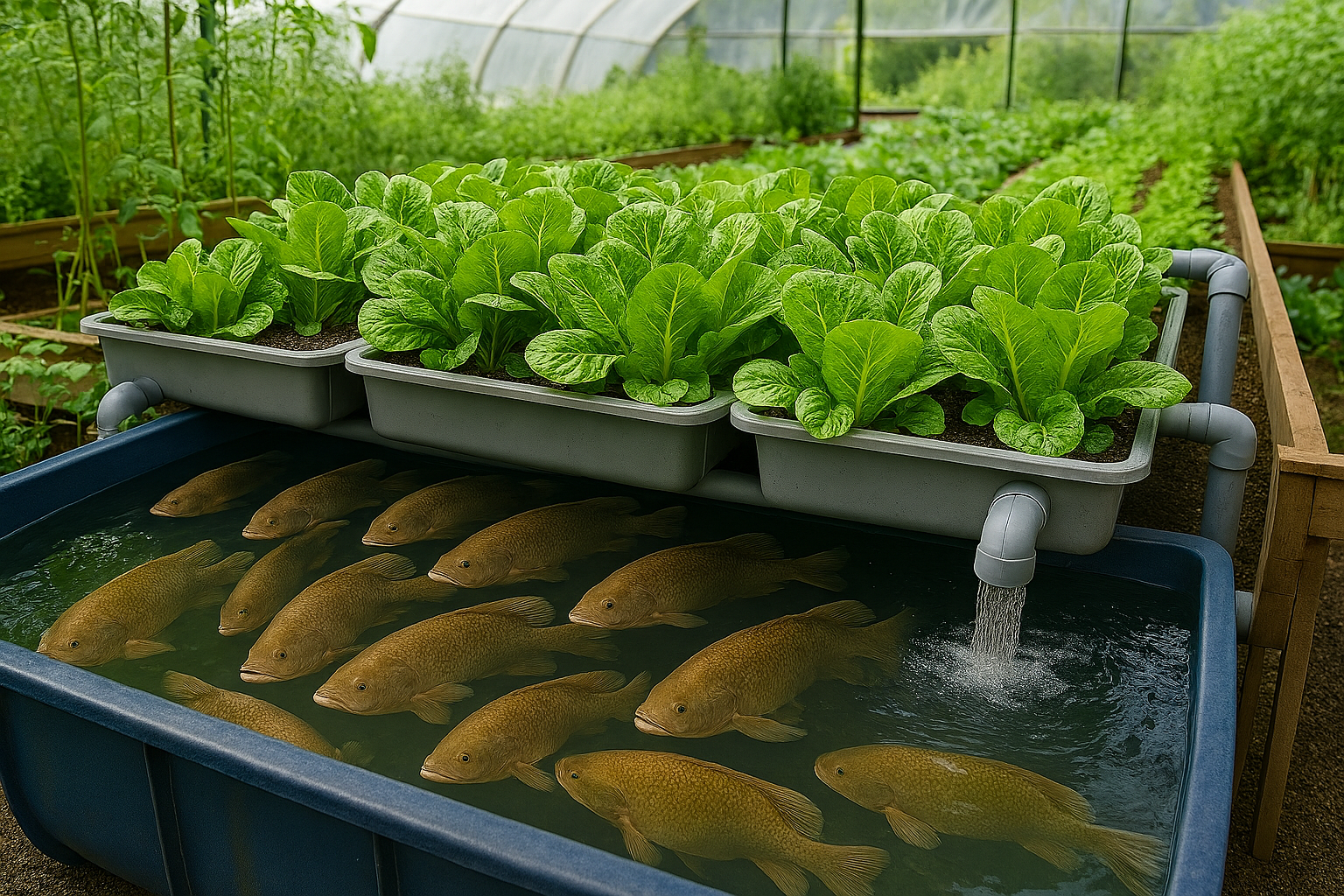
Grow Fish and Vegetables Together 🐟🥬
Aquaponics systems grow fish and vegetables together in a revolutionary approach that’s transforming sustainable food production worldwide. Imagine harvesting fresh lettuce, herbs, and tomatoes while simultaneously raising healthy fish – all in your backyard using 90% less water than traditional farming! This isn’t science fiction; it’s the incredible reality of how aquaponics systems grow fish and vegetables together in perfect harmony.
Aquaponics systems combine aquaculture and hydroponics to create closed-loop ecosystems where fish waste becomes natural fertilizer for plants, while plants purify water for fish. Whether you’re interested in small apartment setups or commercial operations, aquaponics systems offer sustainable solutions for modern food production challenges.
If you’re tired of expensive grocery bills, concerned about food safety, or passionate about sustainable living, aquaponics systems offer the perfect solution. This comprehensive guide reveals everything you need to know about growing fish and vegetables together in a symbiotic ecosystem that practically runs itself.
From small apartment setups to commercial operations generating $18,000+ monthly, these innovative aquaponics systems prove that the future of farming is here – and it’s more accessible than you ever imagined! 🌱
What Exactly Are Aquaponics Systems? 🤔
Aquaponics systems grow fish and vegetables together by combining two ancient practices: aquaculture (raising fish) and hydroponics (growing plants in water). This marriage creates closed-loop ecosystems where fish waste becomes natural fertilizer for plants, while plants purify the water for fish.
Think of it as nature’s perfect recycling system! The fish produce ammonia-rich waste, beneficial bacteria convert this waste into nitrates (plant food), and plants absorb these nutrients while cleaning the water. Aquaponics systems create self-sustaining ecosystems that require minimal external inputs while maximizing food production efficiency.
The Science Behind the Magic 🔬
The heart of every aquaponics system is the nitrogen cycle. Here’s how this fascinating process works:
- Fish produce waste containing ammonia (toxic to fish)
- Beneficial bacteria convert ammonia to nitrites, then to nitrates
- Plants absorb nitrates as food through their roots
- Clean water returns to fish tanks, completing the cycle
This symbiotic relationship has been working in nature for millions of years. Recent research from Ben-Gurion University shows that modern aquaponics systems can produce more fish and vegetables while using less energy than conventional farming methods.
Why Aquaponics Systems Are Taking Over Modern Agriculture 📈
The numbers don’t lie – aquaponics systems are experiencing explosive growth because they solve multiple problems simultaneously:
Environmental Benefits:
- Use 90% less water than soil-based gardening
- Produce zero agricultural runoff
- Require no chemical fertilizers or pesticides
- Generate minimal carbon footprint
Economic Advantages:
- Dual income streams (fish + vegetables)
- Year-round production capability
- Reduced grocery bills by 60-80%
- High-value organic produce commands premium prices
Health Benefits:
- Pesticide-free, chemical-free food
- Fresh harvest within steps of your kitchen
- Higher nutrient density than store-bought produce
- Complete control over food safety
Recent studies show that crops grown in aquaponics systems often grow 2-3 times faster than traditional soil farming, with lettuce ready for harvest in just 28 days compared to 60-100 days in soil!
Types of Aquaponics Systems: Choose Your Perfect Setup 🏗️
Understanding the different types of aquaponics systems helps you choose the perfect setup for your space, budget, and goals.
1. Media Bed Systems (Best for Beginners) 🪨
Media bed systems use containers filled with growing medium like expanded clay pebbles, gravel, or lava rock. Water floods and drains from these beds in cycles, providing both nutrients and oxygen to plant roots.
Perfect for: Beginners, diverse crop production, backyard setups Best plants: Tomatoes, peppers, herbs, leafy greens, root vegetables Cost range: $200-$2,000 for home systems
The beauty of media bed systems lies in their versatility. The growing medium acts as both plant support and biological filter, making these systems incredibly forgiving for new growers.
2. Deep Water Culture (DWC) Systems 🌊
Also called raft systems, DWC suspends plants on floating rafts with roots directly in nutrient-rich, oxygenated water. This method is highly efficient and commonly used in commercial operations.
Perfect for: Commercial production, leafy greens, herbs Best plants: Lettuce, spinach, kale, basil, cilantro Cost range: $500-$10,000+ for commercial setups
DWC systems excel at producing massive quantities of leafy greens quickly. Some commercial operations harvest lettuce every 28 days year-round!
3. Nutrient Film Technique (NFT) Systems 💧
NFT systems use sloped channels where a thin film of nutrient-rich water continuously flows past plant roots. These space-efficient systems are popular for vertical growing.
Perfect for: Space-limited areas, vertical farming, herbs Best plants: Lettuce, herbs, strawberries, small greens Cost range: $300-$5,000 depending on scale
Pro tip: NFT systems require careful monitoring as pump failures can quickly damage plants since there’s no water reservoir around roots.
4. Hybrid Systems (Professional Level) 🔧
Hybrid aquaponics systems combine multiple growing methods – typically media beds for filtration with DWC or NFT for production. These systems offer maximum flexibility and efficiency.
Perfect for: Experienced growers, diverse crop production, commercial operations Best plants: Everything from microgreens to fruit trees Cost range: $2,000-$50,000+ for large systems
Commercial growers often prefer hybrid systems because they can optimize different sections for different crops while maintaining excellent water quality.
Essential Fish for Your Aquaponics Success 🐠
Choosing the right fish species is crucial for aquaponics system success. Your fish selection impacts water temperature requirements, nutrient production, and ultimately your harvest quality.
Tilapia: The Aquaponics Superstar 🌟
Tilapia dominates aquaponics systems worldwide for excellent reasons:
- Extremely hardy and disease-resistant
- Tolerates water quality fluctuations
- Fast growth (harvest in 6-8 months)
- Excellent eating with mild, flaky meat
- Thrives in 75-85°F water
Pro tip: Nile and Mozambique tilapia varieties grow fastest while avoiding premature breeding.
Catfish: The Bottom-Dwelling Champions 🐟
Channel catfish offer unique advantages:
- Extremely hardy and adaptable
- Can survive oxygen dips that kill other fish
- Excellent waste production for plant nutrients
- Thrive in 68-80°F water
- High-value market fish
Note: Catfish need horizontal space as they’re bottom feeders, making them perfect for media bed systems.
Trout: Cool Water Specialists ❄️
For cooler climates, trout excel:
- Thrive in 55-68°F water
- Premium eating fish with high market value
- Require excellent water quality (teaches good practices)
- Fast growth with proper care
Important: Trout demand pristine water conditions and high dissolved oxygen levels.
Ornamental Options: Beautiful and Functional 🌈
Don’t want to eat your fish? Consider:
- Koi – Beautiful, hardy, long-lived
- Goldfish – Inexpensive, colorful, low-maintenance
- Fancy goldfish – Decorative varieties add visual appeal
These ornamental fish still produce excellent nutrients for plants while creating stunning aquatic displays.
Plant Powerhouses: What Thrives in Aquaponics Systems 🥗
Aquaponics systems can grow an amazing variety of plants, but understanding which ones thrive helps maximize your success and harvests.
Leafy Greens: The Fast-Track Crops ⚡
Lettuce varieties lead the aquaponics world:
- Butterhead, romaine, leaf lettuce all excel
- Harvest in 28-35 days
- Continuous harvesting possible
- High market value as organic greens
Other stellar performers:
- Spinach, kale, Swiss chard
- Arugula, watercress, bok choy
- Asian greens like pak choi
These crops have low nutrient requirements and grow incredibly fast in aquaponics systems.
Herbs: Liquid Gold Crops 💰
Herbs command premium prices and grow beautifully:
- Basil – Multiple varieties, continuous harvest
- Cilantro/Parsley – Fast-growing, high-demand
- Mint – Spreads rapidly, excellent for beginners
- Chives – Perennial producer, cut-and-come-again
Fresh herbs sell for $15-25 per pound at farmers markets, making them incredibly profitable crops.
Fruiting Plants: Advanced Aquaponics 🍅
Once your system matures (6+ months), try these nutrient-hungry crops:
- Tomatoes – Cherry varieties work best
- Peppers – Both sweet and hot varieties
- Cucumbers – Compact bush varieties
- Strawberries – Ever-bearing varieties
Important: Fruiting plants need heavily stocked fish tanks and mature bacterial colonies for adequate nutrition.
Plants to Avoid ❌
Some plants don’t work well in aquaponics systems:
- Root vegetables needing soil (potatoes, carrots)
- Acid-loving plants (blueberries, azaleas)
- Large trees requiring extensive root systems
- Plants needing dormancy periods
Building Your First Aquaponics System: Step-by-Step Guide 🔨
Ready to build your own aquaponics system? Here’s a proven approach that works for beginners and scales beautifully.
Planning Your System 📋
Before buying anything, answer these critical questions:
- Available space: Indoor, outdoor, greenhouse?
- Climate: Heating/cooling requirements?
- Goals: Family food, hobby, or commercial?
- Budget: DIY build or complete system?
- Experience level: Beginner or advanced?
Essential Components Shopping List 🛒
For a basic 100-gallon system:
Core Components:
- Fish tank (50-100 gallons) – $100-$300
- Grow beds (matching fish tank volume) – $50-$200
- Water pump (400+ GPH) – $40-$120
- Air pump and stones – $30-$80
- Plumbing supplies (PVC, fittings) – $50-$150
Growing Supplies:
- Growing medium (clay pebbles/gravel) – $100-$200
- Bell siphon or timer system – $20-$100
- Water test kits – $30-$80
- Fish food – $20-$50
Total estimated cost: $440-$1,280
Money-saving tip: Check Craigslist for food-grade IBC totes – these 275-gallon containers can be converted into excellent aquaponics systems for under $400!
Assembly Process 🔧
Week 1: System Assembly
- Set up fish tank with aeration
- Install grow beds above fish tank
- Connect pump and plumbing system
- Test for leaks and proper water flow
- Add growing medium to beds
Week 2: Cycling Process
- Fill system with dechlorinated water
- Add beneficial bacteria or ammonia source
- Monitor ammonia, nitrite, nitrate levels daily
- Wait for nitrogen cycle establishment (2-6 weeks)
Week 3-6: System Maturation
- Add fish gradually (start with 25% planned capacity)
- Begin with hardy plants like lettuce
- Monitor water quality closely
- Adjust feeding based on plant response
For those interested in home automation and smart systems, check out our smart home technology guide that covers modern monitoring solutions perfect for aquaponics systems.
Advanced Aquaponics: Technology Integration 🤖
Modern aquaponics systems are embracing cutting-edge technology to maximize efficiency and reduce maintenance.
IoT and Smart Monitoring 📱
Internet of Things (IoT) technology is revolutionizing aquaponics management:
Automated Monitoring Systems:
- pH, temperature, dissolved oxygen sensors
- Automated feeding systems
- Water level monitors
- Camera systems for fish health observation
Benefits of Smart Systems:
- 24/7 monitoring from anywhere
- Automatic alerts for problems
- Data logging for optimization
- Remote system control
Recent research shows that IoT-enabled aquaponics systems can reduce labor costs by 40% while improving crop yields by 25%.
Renewable Energy Integration ♻️
Solar-powered aquaponics systems are becoming increasingly popular:
- Solar panels power pumps and aeration
- Battery backup ensures continuous operation
- Grid-tie systems sell excess energy back
- Passive solar greenhouses reduce heating costs
A 500-watt solar system typically costs $800-$1,500 but can power most home aquaponics systems completely off-grid!
Automation Features 🎯
Modern systems can automate:
- Fish feeding with timed dispensers
- Water quality adjustments with dosing pumps
- Temperature control with heaters/chillers
- Lighting schedules for optimal plant growth
These technologies are detailed in our comprehensive guide to AI tools and automation that applies to modern farming systems.
Aquaponics vs. Traditional Farming: The Numbers Don’t Lie 📊
When comparing aquaponics systems to conventional agriculture, the advantages become crystal clear:
Water Usage Comparison 💧
- Traditional farming: 1,000 gallons per pound of produce
- Aquaponics systems: 100 gallons per pound of produce
- Water savings: 90% reduction in water consumption
Space Efficiency 📏
- Traditional farming: 1 acre needed
- Aquaponics systems: 0.25 acres produces same yield
- Space savings: 75% reduction in land requirements
Growth Speed ⚡
- Traditional lettuce: 60-90 days to harvest
- Aquaponics lettuce: 28-35 days to harvest
- Time savings: 50% faster crop cycles
Chemical Usage 🧪
- Traditional farming: Heavy pesticide and fertilizer use
- Aquaponics systems: Zero chemicals needed
- Environmental impact: Completely organic production
Commercial Aquaponics: Turning Passion into Profit 💼
Commercial aquaponics systems are generating serious income for savvy entrepreneurs. Here’s what you need to know about scaling up:
Profitability Analysis 💰
Small Commercial Setup (2,000 sq ft):
- Initial investment: $50,000-$100,000
- Annual revenue potential: $150,000-$300,000
- Typical ROI: 3-5 years
- Monthly profit potential: $5,000-$18,000
Revenue Streams:
- Fresh produce sales – $8-15/lb for organic leafy greens
- Fish sales – $6-12/lb for fresh tilapia/catfish
- System consulting – $100-250/hour
- Educational tours – $15-30/person
- Equipment sales – 30-45% commission on kits
Market Opportunities 🎯
The commercial aquaponics market is exploding:
- Restaurants seeking locally-sourced, fresh ingredients
- Grocery stores wanting organic, pesticide-free produce
- Schools implementing farm-to-cafeteria programs
- Urban food deserts needing fresh food access
Success tip: Start with high-value crops like herbs and microgreens that command premium prices while you build market relationships.
Aquaponics systems are particularly valuable for entrepreneurs because they address multiple market demands simultaneously – fresh local food, sustainable production methods, and premium organic products. For entrepreneurs looking to develop comprehensive business plans, our AI tools guide can help streamline market research and financial projections for aquaponics ventures.
DIY Aquaponics Systems: Build Your Own Food Factory 🔨
Building your own aquaponics system is surprisingly straightforward and incredibly rewarding. Here are proven DIY approaches for every skill level:
The IBC Tote System (Most Popular) 📦
Using repurposed food-grade IBC totes is the gold standard for DIY aquaponics:
Materials needed:
- 275-gallon IBC tote ($100-200 used)
- Water pump ($50-100)
- Air pump and stones ($40-60)
- Growing medium ($100-150)
- Plumbing supplies ($75-125)
- Total cost: $365-635
Why IBC systems work so well:
- Perfect size for family food production
- Built-in structure requires minimal modification
- Food-grade materials ensure safety
- Easy to expand with additional totes
The Barrel System (Budget-Friendly) 🛢️
For those starting small, 55-gallon barrel systems offer an affordable entry point:
Build cost: $150-250 total Production capacity: Herbs and small greens for 2-4 people Time to build: 4-6 hours Perfect for: Apartments, small yards, beginners
Bathtub Aquaponics (Creative Recycling) 🛁
Creative builders use old bathtubs for unique systems:
- Fish tank: Standard bathtub (60-80 gallons)
- Grow bed: Matching bathtub or custom build
- Cost: $200-400 including pumps and plumbing
- Bonus: Excellent thermal mass for temperature stability
For detailed home setup guides, check out our home office organization tips that apply perfectly to aquaponics workspace planning.
System Maintenance: Keep Your Aquaponics Thriving 🔧
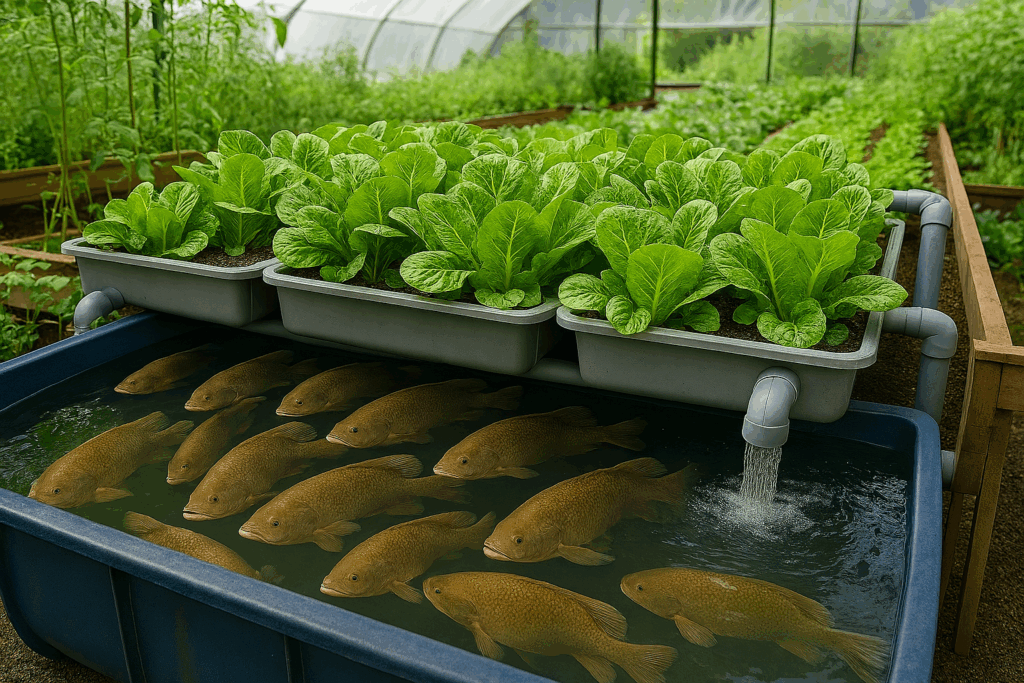
Successful aquaponics systems require consistent but minimal maintenance. Here’s your essential maintenance schedule:
Daily Tasks (5-10 minutes) 📅
- Feed fish appropriate amounts (2-3 minutes eating time)
- Check water flow in all grow beds
- Observe fish behavior for health indicators
- Harvest ready plants as needed
Weekly Tasks (30-45 minutes) 📆
- Test water quality (pH, ammonia, nitrites, nitrates)
- Clean mechanical filters if using them
- Inspect pumps and plumbing for clogs
- Trim and maintain plants as needed
- Check dissolved oxygen levels
Monthly Tasks (1-2 hours) 🗓️
- Deep clean filters and growing medium
- Calibrate sensors and testing equipment
- Assess fish health and growth rates
- Plan next plantings and harvests
- Check system efficiency and yields
Seasonal Tasks (2-4 hours) 📋
- Deep system cleaning and maintenance
- Equipment inspection and replacement
- Harvest mature fish if eating them
- System optimization based on performance data
The key to low-maintenance aquaponics is prevention. Well-designed systems with proper stocking ratios practically run themselves!
Troubleshooting Common Aquaponics Problems 🚨
Even the best aquaponics systems occasionally have issues. Here’s how to diagnose and fix the most common problems:
Water Quality Issues 💧
Problem: High ammonia levels Symptoms: Fish gasping at surface, plant stunting Solutions:
- Reduce fish feeding temporarily
- Check biofilter function
- Increase aeration
- Partial water change if severe
Problem: pH fluctuations Symptoms: Stressed fish, poor plant growth Solutions:
- Add limestone or calcium carbonate for stability
- Check for dead plant matter causing pH swings
- Balance fish load with plant uptake
Plant Health Problems 🌿
Problem: Yellow leaves (nutrient deficiency) Solutions depend on leaf location:
- Old leaves yellowing: Normal nitrogen use
- New leaves yellowing: Iron deficiency (add chelated iron)
- All leaves yellowing: Check pH and fish feeding rates
Problem: Slow plant growth Common causes:
- Insufficient fish waste (increase fish or feeding)
- Poor water circulation
- Inadequate lighting
- Temperature stress
Fish Health Issues 🐟
Problem: Fish not eating Investigate:
- Water temperature too cold/hot
- Ammonia or nitrite toxicity
- Overcrowding stress
- Disease presence
Problem: Fish deaths Immediate actions:
- Test water quality immediately
- Remove dead fish promptly
- Reduce feeding temporarily
- Increase aeration
Prevention is key: Maintain stable water conditions and avoid overstocking.
Our network troubleshooting guide uses similar systematic approaches that work perfectly for aquaponics system diagnostics.
Maximizing Yields: Advanced Production Techniques 📈
Once your basic aquaponics system is established, these advanced techniques can dramatically increase your harvests:
Succession Planting Strategy 🔄
Plant new crops every 2-3 weeks to ensure continuous harvests:
- Week 1: Plant lettuce section A
- Week 3: Plant lettuce section B
- Week 5: Plant lettuce section C
- Week 7: Harvest section A, replant immediately
This creates a perpetual harvest cycle providing fresh produce weekly.
Vertical Growing Optimization 📏
Maximize space with vertical techniques:
- Tower systems can triple growing capacity
- Hanging systems utilize overhead space
- Wall-mounted NFT systems for herbs
- Tiered grow beds with proper light distribution
Space multiplication: A 4×8 foot area can effectively become 12×8 feet with three-tier vertical growing.
Companion Planting Benefits 🤝
Strategic plant combinations improve overall system health:
- Basil with tomatoes – Basil repels harmful insects
- Marigolds anywhere – Natural pest deterrent
- Lettuce under tall plants – Efficient space use
- Fast growers with slow growers – Continuous production
Light Optimization for Indoor Systems 💡
Proper lighting transforms indoor aquaponics productivity:
- LED grow lights use 50% less energy than fluorescents
- 12-16 hours daily for leafy greens
- 14-18 hours daily for fruiting plants
- Full spectrum lighting produces highest quality crops
Investment tip: Quality LED systems pay for themselves through increased yields and energy savings within 6-12 months.
Aquaponics vs. Hydroponics: The Ultimate Comparison ⚖️
Understanding the differences helps you choose the best system for your needs:
Aquaponics Advantages ✅
- Natural nutrient source from fish waste
- Organic production without chemicals
- Self-sustaining ecosystem requires less intervention
- Dual harvests – fish and vegetables
- Better environmental impact – closed-loop system
Aquaponics Challenges ❌
- Higher complexity with living fish systems
- Longer startup time (2-6 months to establish)
- Higher initial costs (30-50% more than hydroponics)
- Less precise control over individual nutrients
Hydroponics Advantages ✅
- Precise nutrient control for optimal plant growth
- Faster startup – immediate planting possible
- Lower initial investment
- Easier troubleshooting with fewer variables
Hydroponics Challenges ❌
- Chemical nutrient costs add up over time
- Requires nutrient expertise for proper mixing
- Waste water disposal issues
- No fish protein production
Bottom line: Choose aquaponics for sustainability and organic production, choose hydroponics for maximum control and faster results.
Climate Considerations: Year-Round Success 🌡️
Aquaponics systems can work in any climate with proper planning:
Greenhouse Integration 🏠
Greenhouse aquaponics systems offer ultimate control:
- Year-round production in any climate
- Pest protection from enclosed environment
- Climate control for optimal conditions
- Extended growing seasons even in harsh climates
Greenhouse benefits:
- 4-6 crop cycles per year vs. 1-2 outdoors
- Protection from weather extremes
- Controlled pest environment
- Professional appearance for commercial operations
Cold Climate Adaptations ❄️
Northern growers can succeed with these strategies:
- Insulate fish tanks with foam or earth berming
- Use cold-water fish like trout
- Greenhouse or indoor systems for winter production
- Thermal mass with large water volumes
Hot Climate Considerations ☀️
Desert and tropical growers need cooling strategies:
- Shade structures reduce overheating
- Evaporative cooling with fans and misters
- Insulation keeps tanks cool
- Heat-tolerant plants like okra and peppers
Urban Aquaponics Solutions 🏙️
City dwellers have unique opportunities:
- Rooftop systems utilize unused space
- Basement setups with artificial lighting
- Balcony systems for apartment living
- Community gardens for shared projects
Check out our apartment gardening guide for more urban growing strategies that complement aquaponics systems.
The Economics of Aquaponics: Real Numbers 💲
Understanding the true economics helps you make informed decisions about aquaponics investments:
Startup Costs by Scale 📊
Hobby Scale (100-200 gallons):
- DIY build: $400-800
- Kit systems: $800-2,000
- Production: Food for 2-4 people
Small Commercial (1,000-2,000 gallons):
- Professional build: $8,000-15,000
- Production: 1,000-2,000 lbs annually
- Revenue potential: $15,000-30,000
Large Commercial (5,000+ gallons):
- Complete system: $50,000-200,000
- Production: 5,000-20,000 lbs annually
- Revenue potential: $75,000-300,000
Operating Costs 💸
Monthly expenses for medium system:
- Electricity (pumps, lights, heaters): $50-150
- Fish food: $30-80
- Seeds and transplants: $20-50
- Testing supplies: $10-30
- Total monthly: $110-310
Return on investment typically occurs within 2-4 years for well-managed commercial systems.
Hidden Revenue Opportunities 💎
Smart aquaponics entrepreneurs discover multiple income streams:
- Value-added products (herb oils, dried vegetables)
- Educational workshops ($50-200 per person)
- System design consulting ($75-200/hour)
- Maintenance services for other systems
- Seed starting services for local gardeners
For those interested in building side income, explore our legitimate side hustles guide that includes agricultural entrepreneurship opportunities.
Future of Aquaponics: What’s Coming Next 🚀
Aquaponics technology continues evolving rapidly with exciting developments:
Emerging Technologies 🔬
Biofloc Technology: Beneficial microbial communities convert waste into protein-rich biomass that fish can eat, reducing feed costs by 30-50%.
Black Soldier Fly Integration: These larvae convert organic waste into high-protein fish food while reducing system waste.
AI-Powered Optimization: Machine learning algorithms analyze system data to predict optimal feeding schedules, harvest timing, and problem prevention.
Vertical Farming Revolution 🏢
Multi-story aquaponics facilities are emerging in urban areas:
- 30-story farm buildings producing food for entire neighborhoods
- Shipping container farms bringing fresh food to food deserts
- Rooftop operations turning dead space into productive farms
Integration with Smart Cities 🌆
Forward-thinking cities are incorporating aquaponics into urban planning:
- School cafeteria systems teaching kids about sustainable food
- Hospital food production ensuring fresh, clean nutrition
- Community center farms bringing neighbors together
- Senior living facilities providing therapeutic growing activities
The intersection of technology and agriculture offers incredible opportunities, much like the developments covered in our climate change technology article.
Getting Started: Your Aquaponics Action Plan 📝
Ready to dive into aquaponics? Here’s your step-by-step action plan:
Month 1: Research and Planning 📚
- Week 1: Study aquaponics basics thoroughly
- Week 2: Determine your space and budget constraints
- Week 3: Choose system type and fish species
- Week 4: Source materials and design layout
Month 2: Build and Cycle 🔨
- Week 1: Construct basic system components
- Week 2: Install plumbing and test for leaks
- Week 3: Begin cycling process with beneficial bacteria
- Week 4: Monitor water chemistry daily
Month 3: Stock and Grow 🌱
- Week 1: Add first fish (start with 25% capacity)
- Week 2: Plant first crops (hardy leafy greens)
- Week 3: Monitor and adjust system parameters
- Week 4: Add more fish and plants gradually
Month 4+: Optimize and Expand 📈
- Ongoing: Fine-tune feeding and harvesting schedules
- Monthly: Analyze production data and optimize
- Quarterly: Consider system expansions or upgrades
- Annually: Plan major improvements or scaling
Essential Resources 📖
Learning Resources:
- University extension programs (many free)
- Online aquaponics courses ($100-500)
- Local aquaponics groups and forums
- YouTube channels and tutorial series
Equipment Suppliers:
- Nelson and Pade (complete commercial systems)
- The Aquaponic Source (hobby to commercial)
- Go Green Aquaponics (DIY components)
- Local hydroponic stores (growing supplies)
Seasonal Management: Year-Round Success 🗓️
Mastering seasonal aquaponics management ensures consistent production regardless of weather:
Spring Setup (March-May) 🌸
- System startup after winter dormancy
- Fish restocking if needed
- Summer crop planning and seed starting
- Equipment maintenance and repairs
Summer Optimization (June-August) ☀️
- Maximum production with long daylight hours
- Heat management crucial in hot climates
- Continuous harvesting of warm-season crops
- Expansion planning for fall projects
Fall Preparation (September-November) 🍂
- Winter crop transitions to cold-hardy varieties
- System winterization in cold climates
- Harvest preservation (drying, freezing, canning)
- Equipment winterization and storage
Winter Production (December-February) ❄️
- Greenhouse advantage shows maximum benefit
- Reduced growth but continued production
- System planning for next year improvements
- Equipment maintenance during slower season
Advanced Crop Selection: Maximize Your Returns 🎯
Choosing the right crops dramatically impacts your aquaponics success and profitability:
High-Value Specialty Crops 💰
Microgreens ($25-40/lb):
- Pea shoots, sunflower greens, radish sprouts
- 7-14 day harvest cycle
- Minimal space requirements
- High restaurant demand
Culinary Herbs ($15-25/lb):
- Thai basil, lemon balm, specialty oreganos
- Continuous harvest varieties
- Premium restaurant pricing
- Dried herb secondary market
Edible Flowers ($30-50/lb):
- Nasturtiums, pansies, viola
- Restaurant garnish market
- Wedding and event sales
- Unique selling proposition
Market Analysis Strategy 📊
Before choosing crops, research your local market:
- Restaurant needs: Call local chefs directly
- Farmers market pricing: Visit markets weekly
- Grocery store gaps: Identify missing organic options
- Seasonal demand: Plan plantings around peak prices
Success story: One small aquaponics operation generates $3,000 monthly selling specialty herbs to just five local restaurants.
Our AI research tools can help analyze market trends and optimize crop selection strategies.
Environmental Impact: Aquaponics and Sustainability 🌍
Aquaponics systems represent a crucial solution to global food and environmental challenges:
Water Conservation Impact 💧
With global water scarcity affecting 2 billion people, aquaponics systems offer hope:
- Traditional agriculture uses 70% of global freshwater
- Aquaponics systems use 90% less water
- No agricultural runoff prevents water pollution
- Recycled water minimizes waste
Carbon Footprint Reduction 🌱
Aquaponics systems significantly reduce agriculture’s carbon impact:
- Local production eliminates transportation emissions
- No synthetic fertilizers (major carbon source)
- Renewable energy compatibility for carbon-neutral operation
- Soil preservation prevents carbon release from tillage
Food Security Solutions 🥗
Aquaponics addresses global food challenges:
- Urban food production reduces supply chain vulnerability
- Year-round growing ensures consistent food access
- Space efficiency feeds more people with less land
- Climate resilience protects against weather extremes
Global impact: Small-scale aquaponics systems can feed a family of four year-round on just 200 square feet of space!
Scaling Your Success: From Hobby to Business 📊
Many successful aquaponics businesses started as backyard hobbies. Here’s how to scale strategically:
Phase 1: Prove the Concept (Months 1-12) 🧪
- Master one system type completely
- Achieve consistent, quality harvests
- Build local customer relationships
- Document all costs and revenues
Phase 2: Market Development (Year 2) 🎯
- Establish regular sales channels
- Develop signature products and branding
- Reinvest profits into system improvements
- Build reputation for quality and reliability
Phase 3: Expansion (Year 3+) 🏗️
- Add production capacity systematically
- Diversify into multiple revenue streams
- Consider employee hiring and training
- Explore technology upgrades and automation
Financing options for scaling:
- USDA rural development grants
- Small business loans for sustainable agriculture
- Crowdfunding for community-supported agriculture
- Angel investors interested in agtech
Common Mistakes to Avoid 🚫
Learning from others’ mistakes saves time, money, and frustration:
Beginner Mistakes ❌
Overstocking fish too early: New systems need time to develop bacterial colonies. Start with 25% planned fish capacity and increase gradually.
Choosing wrong fish for climate: Tilapia die below 60°F, while trout struggle above 70°F. Match fish to your climate or heating costs explode.
Inadequate backup systems: Power outages kill fish quickly. Have battery backup for essential pumps and aeration.
Impatience with cycling: Rushing to add fish before nitrogen cycle establishment leads to fish kills and system crashes.
Advanced Mistakes ⚠️
Ignoring redundancy: Single points of failure kill entire systems. Have backup pumps, heaters, and aeration.
Poor record keeping: Without data, you can’t optimize. Track feeding rates, water quality, and harvest yields religiously.
Market assumptions: Don’t assume people will buy your produce. Build sales relationships before scaling production.
Technology over-reliance: Automation should supplement, not replace, basic aquaponics knowledge and skills.
For systematic problem-solving approaches, our troubleshooting methodology applies perfectly to aquaponics system management.
Aquaponics System Automation: The Smart Farm Revolution 🤖
Modern aquaponics systems are embracing automation technology to reduce labor and improve consistency:
Essential Monitoring Parameters 📊
Water Quality Sensors:
- pH monitors with automatic adjustments
- Dissolved oxygen sensors with backup aeration
- Temperature controllers with heating/cooling
- Ammonia/nitrate sensors for early problem detection
Environmental Controls:
- Light timers and intensity controllers
- Humidity and ventilation management
- Automated shading for temperature control
- Weather station integration for planning
Smart Phone Integration 📱
Modern systems connect to your smartphone for:
- Real-time alerts for system problems
- Remote monitoring while traveling
- Data logging for optimization
- Automated controls from anywhere
Popular platforms:
- Blynk (custom dashboard creation)
- ThingSpeak (data analysis and visualization)
- Arduino Cloud (device management)
- Custom apps for commercial operations
Return on Automation Investment 💰
Smart system benefits:
- 40% reduction in daily maintenance time
- 25% improvement in crop yields
- 60% reduction in crop losses from problems
- 90% reduction in water quality testing time
Typical automation costs:
- Basic monitoring: $200-500
- Complete automation: $1,000-3,000
- Commercial systems: $5,000-20,000
The automation pays for itself through labor savings and improved yields within 12-18 months for most commercial operations.
Regional Variations: Aquaponics Around the World 🗺️
Aquaponics systems adapt to local conditions, creating unique regional approaches:
Tropical Implementations 🌴
- Hawaii: Year-round outdoor production with minimal heating
- Australia: Drought-resistant farming in arid regions
- Southeast Asia: Traditional integration with rice farming
- Caribbean: Hurricane-resistant greenhouse systems
Temperate Zone Solutions 🍂
- Northern Europe: High-tech greenhouse with renewable energy
- Canada: Geothermal-powered winter production
- Northern US: Season extension with passive solar
- Japan: Urban vertical farms in cities
Desert Applications 🏜️
- Israel: Research facilities developing new techniques
- Arizona: Solar-powered systems with evaporative cooling
- Middle East: Saltwater aquaponics with halophytic plants
- Australia outback: Remote community food security
Urban Integration 🏙️
- Singapore: Government-supported vertical farms
- Netherlands: Rooftop production in dense cities
- Brooklyn: Warehouse conversions for year-round growing
- Detroit: Vacant lot transformations
These global examples demonstrate aquaponics adaptability to virtually any environment with proper system design.
Future Innovations: Next-Generation Aquaponics 🔮
The aquaponics industry continues innovating at breakneck speed:
Breakthrough Technologies 🧬
CRISPR-Enhanced Fish: Genetically optimized fish for faster growth and better waste production without environmental release concerns.
Algae Integration Systems: Using algae bioreactors to supplement fish feed while producing additional biomass for energy.
Microbial Engineering: Designer bacterial communities optimized for specific crop nutrition and faster cycling.
Biofloc Technology: Creating microbial ecosystems that convert waste to fish food, dramatically reducing feeding costs.
Space-Age Applications 🚀
NASA and other space agencies are developing aquaponics for:
- Space station food production
- Mars colony agriculture
- Long-duration space missions
- Lunar base sustainability
These extreme applications drive innovations that benefit Earth-based systems.
Ocean-Based Aquaponics 🌊
Floating farms in coastal areas offer:
- Unlimited space for expansion
- Natural temperature moderation
- Integration with marine aquaculture
- Protection from land-use conflicts
Saltwater aquaponics using marine fish opens new possibilities:
- Coastal desert agriculture
- Island food security
- Marine permaculture systems
- Salt-tolerant crop development
Investment Opportunities: The Business Side 💼
The aquaponics industry offers diverse investment and business opportunities:
Franchise Opportunities 🏪
- Equipment manufacturing and distribution
- System design and installation services
- Educational and consulting services
- Maintenance and management contracts
Technology Development 💻
- IoT sensor and monitoring systems
- Automated feeding and harvesting equipment
- AI-powered system optimization software
- Mobile apps for system management
Real Estate Applications 🏠
- Agrihood developments with community aquaponics
- Restaurant integration with on-site production
- Educational institutions seeking sustainability showcases
- Senior living facilities with therapeutic growing programs
Investment Returns 📈
Conservative projections for commercial operations:
- Year 1: 10-20% of full production while learning
- Year 2: 60-80% of projected yields
- Year 3+: Full profitability with 15-25% annual returns
High-performers achieve:
- 30-40% annual returns on investment
- 85-95% customer retention rates
- 200-300% faster growth than soil farming
- Premium pricing for organic, local produce
For entrepreneurs exploring technology businesses, our making money with AI guide provides insights applicable to agtech ventures.
Quality Control and Food Safety 🛡️
Professional aquaponics operations must maintain rigorous food safety standards:
Good Agricultural Practices (GAP) 📋
Water quality management:
- Source water testing and treatment
- Regular pathogen testing protocols
- Contamination prevention procedures
- Worker hygiene and training programs
Harvest and handling:
- Proper washing and packaging procedures
- Cold chain maintenance for freshness
- Traceability systems for quality assurance
- HACCP (Hazard Analysis Critical Control Points) implementation
Organic Certification Potential 🌿
Aquaponics systems can qualify for organic certification with proper management:
- No synthetic pesticides or fertilizers
- Organic fish feed requirements
- Proper record keeping and documentation
- Third-party inspection and verification
Organic certification typically increases product value by 30-50%, making it worthwhile for commercial operations.
Testing and Monitoring 🔬
Essential testing protocols:
- Daily: Visual fish health and system function
- Weekly: pH, ammonia, nitrite, nitrate levels
- Monthly: Comprehensive water quality analysis
- Quarterly: Plant tissue analysis for optimization
- Annually: Complete system performance review
Professional testing equipment:
- Handheld pH/EC meters ($100-300)
- Dissolved oxygen meters ($200-500)
- Test strip systems ($50-150)
- Laboratory analysis services ($100-300/test)
Troubleshooting Advanced Issues 🔍
As your aquaponics expertise grows, you’ll encounter more complex challenges requiring advanced solutions:
Nutrient Imbalances 🧪
Iron deficiency (most common):
- Symptoms: New leaf yellowing, poor growth
- Causes: High pH blocking iron absorption
- Solutions: Add chelated iron, adjust pH to 6.8-7.0
Potassium deficiency:
- Symptoms: Leaf edge burning, poor fruit development
- Causes: Insufficient fish waste or high plant demand
- Solutions: Increase fish stocking, add organic potassium
Calcium deficiency:
- Symptoms: Blossom end rot in tomatoes, tip burn in lettuce
- Causes: pH fluctuations, insufficient calcium buffering
- Solutions: Add calcium carbonate, stabilize pH
Disease Management 🦠
Fish diseases:
- Bacterial infections: Often from poor water quality
- Parasites: Introduce with new fish
- Viral diseases: Rare but devastating
Plant diseases:
- Root rot: From poor aeration or overwatering
- Fungal issues: High humidity and poor air circulation
- Viral diseases: Usually from infected transplants
Prevention strategies:
- Quarantine all new fish and plants
- Maintain excellent water quality
- Provide adequate spacing and airflow
- Use disease-resistant varieties when possible
System Balancing ⚖️
Fish-to-plant ratios:
- 1 lb fish : 1-2 sq ft growing space (general rule)
- Leafy greens: Can handle higher fish ratios
- Fruiting plants: Need lower fish ratios initially
- Herbs: Moderate ratios work well
Seasonal adjustments:
- Winter: Reduce feeding as fish metabolism slows
- Summer: Increase aeration as warm water holds less oxygen
- Spring: Gradually increase stocking as systems wake up
- Fall: Harvest fish before winter stress period
Educational and Community Impact 🎓
Aquaponics systems create powerful educational and community-building opportunities:
School Programs 📚
Educational aquaponics teaches multiple subjects:
- Science: Biology, chemistry, ecology, physics
- Math: Ratios, calculations, data analysis, economics
- Health: Nutrition, food safety, sustainable eating
- Environmental studies: Sustainability, conservation, climate change
Implementation success factors:
- Start small with simple systems
- Train teachers thoroughly before student involvement
- Create detailed curriculum connections
- Plan for summer maintenance and system care
Community Building 🤝
Community aquaponics projects:
- Bring neighbors together around shared food production
- Provide fresh food access in underserved areas
- Create educational opportunities for all ages
- Generate local economic development
Successful community models:
- Shared ownership: Multiple families maintain one large system
- Educational coops: Schools partner with communities
- Senior centers: Therapeutic growing programs
- Food banks: Direct production for distribution
For community organizing strategies, explore our social media community building guide for effective outreach and engagement.
Final Thoughts: Your Aquaponics Journey Begins Now 🌟
Aquaponics systems represent far more than just another farming method – they’re a pathway to food independence, environmental sustainability, and potentially substantial income. Whether you’re dreaming of fresh salads from your apartment balcony or building a commercial operation to feed your community, aquaponics systems make it possible.
The technology has matured from experimental curiosity to proven agricultural method. Thousands of successful operations worldwide demonstrate that aquaponics systems work in virtually any climate, scale, and application. From $400 DIY builds to million-dollar commercial facilities, there’s an aquaponics system perfect for your situation.
Remember that every expert was once a beginner. Start with a simple system, learn the fundamentals, and expand gradually. The beauty of aquaponics systems lies in their scalability – today’s small hobby system can become tomorrow’s thriving business.
The best time to start your aquaponics system was yesterday. The second-best time is today.
Your journey toward sustainable food production, reduced grocery bills, and potential business success starts with a single step. Whether you choose a simple barrel system or invest in a commercial operation, you’re joining a growing community of innovative farmers who refuse to accept that “this is how we’ve always done it.”
Ready to get started? Begin with our smart home automation basics to understand the technology foundation, then dive into aquaponics system planning. Your future self (and wallet) will thank you for taking action today.
The food revolution is happening now, and aquaponics systems are leading the charge. Join the movement, grow your own food, and discover why millions of people worldwide are choosing aquaponics systems as their path to sustainable living and food security.
Your aquaponics adventure begins now – dive in! 🌊🐟🥬
Ready to explore more sustainable living solutions? Check out our comprehensive guides on energy-efficient home solutions, food preservation techniques, and growing your own food to complete your journey toward self-sufficient living.