
🚀 NVIDIA RTX 5090 vs RTX 5080: Ultimate GPU Showdown 2025 – Which Graphics Card Reigns Supreme?
The battle of the titans is here! NVIDIA’s revolutionary RTX 5090 and RTX 5080 are reshaping the gaming landscape with groundbreaking DLSS 4 technology, massive GDDR7 memory, and game-changing AI capabilities. But which GPU delivers the best value for your money? We dive deep into specifications, performance benchmarks, and real-world testing to crown the ultimate champion!
🔥 THE ULTIMATE GPU BATTLE: RTX 5090 vs RTX 5080
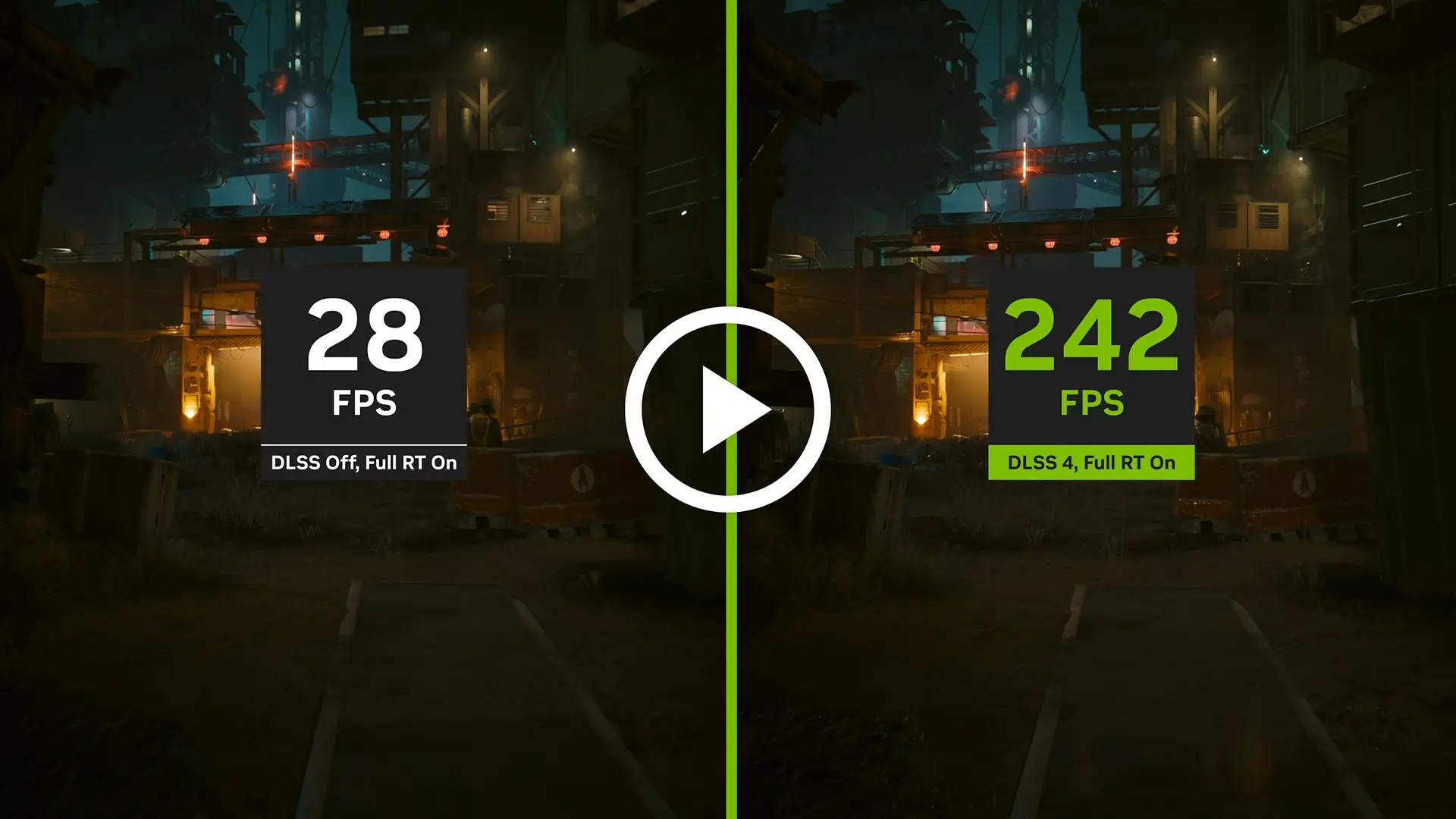
Get ready for the most comprehensive comparison of NVIDIA’s flagship graphics cards! The RTX 5090 and RTX 5080 represent the pinnacle of gaming technology, powered by the revolutionary NVIDIA Blackwell RTX architecture. Both cards feature game-changing DLSS 4 with Multi Frame Generation, GDDR7 memory, and AI-powered ray tracing that can multiply performance by up to 8X compared to brute-force rendering.
But here’s the burning question every gamer and content creator is asking: Is the RTX 5090 worth double the price of the RTX 5080? With the RTX 5090 at $2,000 MSRP and the RTX 5080 at $1,000 MSRP, the price difference is substantial. Let’s dive into the nitty-gritty details to help you make the smartest buying decision!
🎯 Quick Launch Facts:
- RTX 5090: $2,000 MSRP | 32GB GDDR7 | 21,760 CUDA Cores | 575W TDP
- RTX 5080: $1,000 MSRP | 16GB GDDR7 | 10,752 CUDA Cores | 360W TDP
- Availability: Limited quantities at Best Buy, Amazon, and major retailers
- Performance Gap: RTX 5090 delivers 35-50% better performance but costs 100% more
💡 Technical Specifications: The Numbers That Matter
🏆 RTX 5090 – The Absolute Monster
Core Specifications:
- GPU: GB202 (89.3 billion transistors)
- CUDA Cores: 21,760 (double the RTX 5080)
- RT Cores: 170 (5th generation)
- Tensor Cores: 680 (5th generation with FP4 support)
- Base Clock: 2,040 MHz
- Boost Clock: 2,407 MHz
- Memory: 32GB GDDR7 on 512-bit bus
- Memory Bandwidth: 1,792 GB/s
- TDP: 575W (requires 12V-2×6 connector)
AI Performance:
- FP16/BF16: 209.5 TFLOPS
- FP4: 838 TFLOPS (revolutionary new precision)
- AI Workload Performance: 33% more Tensor Cores than RTX 4090
⚡ RTX 5080 – The Efficient Powerhouse
Core Specifications:
- GPU: GB203 (45.6 billion transistors)
- CUDA Cores: 10,752 (exactly half of RTX 5090)
- RT Cores: 84 (5th generation)
- Tensor Cores: 336 (5th generation with FP4 support)
- Base Clock: 2,295 MHz (higher than RTX 5090)
- Boost Clock: 2,625 MHz (higher than RTX 5090)
- Memory: 16GB GDDR7 on 256-bit bus
- Memory Bandwidth: 960 GB/s
- TDP: 360W (standard PCIe power)
AI Performance:
- FP16/BF16: 112.6 TFLOPS
- FP4: 450 TFLOPS
- AI Workload Performance: 10.5% more Tensor Cores than RTX 4080
🎮 Gaming Performance: Real-World Benchmarks
🏁 4K Gaming Performance Analysis
AAA Gaming Benchmarks (RTX 5090): Based on reviews from GamersNexus, TweakTown, and other trusted sources, here’s how the RTX 5090 performs in demanding titles:
- Cyberpunk 2077 (4K, Max RT): Up to 290 FPS with DLSS 4
- Alan Wake 2 (4K, Max Settings): Up to 230 FPS with DLSS 4
- Star Wars Outlaws (4K, Max): Up to 220 FPS with DLSS 4
- Hogwarts Legacy (4K, Max RT): 180+ FPS with DLSS 4
- Call of Duty (4K, Max): 200+ FPS with DLSS 4
AAA Gaming Benchmarks (RTX 5080): The RTX 5080 delivers impressive performance, typically 65-75% of RTX 5090 performance:
- Cyberpunk 2077 (4K, Max RT): Up to 190 FPS with DLSS 4
- Alan Wake 2 (4K, Max Settings): Up to 150 FPS with DLSS 4
- Star Wars Outlaws (4K, Max): Up to 140 FPS with DLSS 4
- Hogwarts Legacy (4K, Max RT): 120+ FPS with DLSS 4
- Call of Duty (4K, Max): 140+ FPS with DLSS 4
🎯 Performance Gap Analysis
Key Performance Insights:
- Average Performance Gap: 35-50% in favor of RTX 5090
- Sweet Spot Resolution: RTX 5080 excels at 4K, RTX 5090 dominates 8K
- Ray Tracing Performance: RTX 5090 shows bigger advantages in RT-heavy games
- DLSS 4 Impact: Both cards benefit enormously from Multi Frame Generation
Competitive Gaming Performance: For esports titles, both cards are absolute overkill:
- Counter-Strike 2: RTX 5080 = 400+ FPS, RTX 5090 = 500+ FPS
- Valorant: RTX 5080 = 600+ FPS, RTX 5090 = 700+ FPS
- League of Legends: RTX 5080 = 800+ FPS, RTX 5090 = 900+ FPS
🤖 AI and Content Creation Performance
🧠 AI Workload Performance
DLSS 4 with Multi Frame Generation: The game-changer is DLSS 4 with Multi Frame Generation, available in over 75 games including Alan Wake 2, Cyberpunk 2077, and Hogwarts Legacy. This technology can multiply performance by up to 8X compared to brute-force rendering.
AI Rendering Capabilities:
- RTX 5090: 680 5th-gen Tensor Cores with FP4 support
- RTX 5080: 336 5th-gen Tensor Cores with FP4 support
- FP4 Precision: Revolutionary 4-bit floating point for AI acceleration
🎨 Content Creation Benchmarks
Video Editing and Rendering: Based on Puget Systems testing, professional applications show mixed results:
Blender Rendering (Samples per minute):
- RTX 5090: 4,800+ samples/min in Monster scene
- RTX 5080: 4,462 samples/min in Monster scene
- Performance Gap: ~7% (much smaller than gaming)
DaVinci Resolve:
- RTX 5090: Excellent 8K timeline performance
- RTX 5080: Strong 4K performance, adequate for 8K
- NVENC Encoding: Both feature upgraded 9th-gen encoders
Adobe Premiere Pro:
- RTX 5090: Superior for 8K workflows and heavy effects
- RTX 5080: Perfect for 4K content creation
- Memory Advantage: RTX 5090’s 32GB crucial for large projects
💰 Value Analysis: Price vs Performance
🏆 Price-to-Performance Ratio
RTX 5090 Value Proposition:
- MSRP: $2,000
- Price per Frame: ~$10-12 per FPS at 4K
- Best for: 8K gaming, professional content creation, AI development
- Target Market: Enthusiasts, professionals, content creators
RTX 5080 Value Proposition:
- MSRP: $1,000
- Price per Frame: ~$7-9 per FPS at 4K
- Best for: 4K gaming, content creation, streaming
- Target Market: High-end gamers, aspiring creators
💡 Value Verdict
RTX 5080 Wins on Value: The RTX 5080 delivers approximately 65-75% of RTX 5090 performance at 50% of the price. This makes it the clear winner for price-conscious buyers who want flagship performance without the premium price.
RTX 5090 Wins on Absolute Performance: If money is no object and you want the absolute best performance, especially for 8K gaming, professional content creation, or AI development, the RTX 5090 is unmatched.
🌡️ Power Consumption and Thermal Analysis
⚡ Power Requirements
RTX 5090 Power Consumption:
- TDP: 575W (nearly maxing out 12V-2×6 connector)
- Recommended PSU: 1000W+ (80+ Gold minimum)
- 12V-2×6 Connector: Required (older 8-pin connectors inadequate)
- Thermal Output: Significant heat generation
- Cooling Requirements: High-end CPU coolers and case fans essential
RTX 5080 Power Consumption:
- TDP: 360W (much more manageable)
- Recommended PSU: 750W+ (80+ Gold)
- Connector: Standard PCIe or 12V-2×6
- Thermal Output: Moderate heat generation
- Cooling Requirements: Standard gaming cooling sufficient
🌡️ Thermal Performance
Temperature Analysis (GamersNexus Testing):
- RTX 5090: 72°C GPU temperature, 90°C memory temperature
- RTX 5080: 65-66°C GPU temperature, better thermal efficiency
- Fan Noise: RTX 5080 runs quieter due to lower power consumption
- Thermal Throttling: RTX 5090 more susceptible in poorly ventilated cases
🎯 Target Market Analysis: Who Should Buy What?
🎮 RTX 5090 – The Ultimate Enthusiast Choice
Perfect for:
- 8K Gaming Enthusiasts – Only card capable of smooth 8K gaming
- Professional Content Creators – 32GB VRAM for large video projects
- AI Developers – Maximum AI performance with FP4 support
- VR Enthusiasts – Uncompromising VR performance
- Competitive Streamers – Simultaneous gaming and streaming at max quality
Budget Requirements:
- GPU: $2,000+ (partner cards likely $2,200-2,500)
- Supporting Hardware: $1,000+ (high-end PSU, cooling, case)
- Total System Cost: $4,000-6,000+
⚡ RTX 5080 – The Smart Performance Choice
Perfect for:
- 4K Gaming – Excellent performance at the sweet spot resolution
- Content Creators – Strong performance for 4K video editing
- High-End Gamers – Flagship performance without flagship price
- Future-Proofing – Solid performance for next 3-4 years
- Efficiency Enthusiasts – Better performance per watt
Budget Requirements:
- GPU: $1,000+ (partner cards likely $1,200-1,400)
- Supporting Hardware: $600-800 (good PSU, cooling)
- Total System Cost: $2,500-3,500
🔮 Future-Proofing Analysis
🎯 Long-Term Value Proposition
RTX 5090 Future-Proofing:
- 8K Gaming: Ready for next-gen 8K displays
- AI Development: FP4 support for future AI applications
- Professional Work: 32GB VRAM future-proofs for 8K/16K content
- Resale Value: Flagship cards maintain value longer
RTX 5080 Future-Proofing:
- 4K Gaming: Excellent for current and near-future 4K gaming
- Memory Limitation: 16GB may become limiting in 3-4 years
- Upgrade Path: More affordable to upgrade in 2-3 years
- Sweet Spot: Best balance of performance and longevity
📈 Technology Trends
Upcoming Challenges:
- Game Asset Sizes: Growing texture and model complexity
- AI Integration: More games using AI-enhanced graphics
- Ray Tracing Adoption: Wider RT implementation in new titles
- 8K Content: Gradual adoption of 8K displays
🏆 Competition Analysis: How Do They Stack Up?
🎯 RTX 5090 vs Competition
vs AMD Radeon RX 7900 XTX:
- Performance: RTX 5090 demolishes AMD’s flagship
- Ray Tracing: NVIDIA’s massive advantage
- DLSS vs FSR: DLSS 4 is generations ahead
- Price: RTX 5090 costs 2.5x more but delivers 2x performance
vs RTX 4090:
- Performance: 20-30% improvement in most games
- Efficiency: Similar power consumption, better performance
- Features: DLSS 4 is a game-changer
- Value: RTX 4090 prices dropping, creating tough competition
⚡ RTX 5080 vs Competition
vs RTX 4080 Super:
- Performance: 25-35% improvement
- Memory: Same 16GB GDDR7 vs GDDR6X
- Features: DLSS 4 major advantage
- Price: Same $1,000 MSRP but much better performance
vs AMD Radeon RX 7900 XTX:
- Performance: RTX 5080 generally 10-15% faster
- Ray Tracing: Significant NVIDIA advantage
- DLSS: Major competitive advantage
- Price: Similar pricing, NVIDIA offers better value
🛒 Availability and Buying Guide
🔥 Current Market Situation
Availability Crisis: Many reviewers believe the RTX 5090 and 5080 launched as “paper launches” with extremely limited availability. Some retailers estimate several months before supply meets demand.
Where to Buy:
- NVIDIA Founders Edition: Best Buy (limited quantities)
- Partner Cards: Amazon, Newegg, Micro Center
- Pre-built Systems: Falcon Northwest, Maingear, Origin PC
- International: Varies by region, expect longer wait times
💡 Buying Strategy
For RTX 5090:
- Wait for Partner Cards: Better cooling and overclocking
- Check Multiple Retailers: Stock varies rapidly
- Consider Pre-built: Sometimes easier to get GPU in complete system
- Budget for Premium: Partner cards likely $2,200-2,500
For RTX 5080:
- Founders Edition: Excellent value at $1,000
- Partner Cards: Expected $1,200-1,400
- Better Availability: Easier to find than RTX 5090
- Sweet Spot: Best balance of performance and availability
🎨 Design and Aesthetics
🏗️ Physical Design Comparison
RTX 5090 Design:
- Slots: 2-slot design (slimmer than RTX 4090’s 3-slot)
- Length: Standard length, fits most cases
- Weight: Manageable despite high power
- Aesthetics: Premium silver and black design
- Ports: 3x DisplayPort 1.4, 1x HDMI 2.1
RTX 5080 Design:
- Slots: 2-slot design (same as RTX 5090)
- Length: Identical to RTX 5090
- Weight: Lighter due to smaller die
- Aesthetics: Matching premium design language
- Ports: 3x DisplayPort 1.4, 1x HDMI 2.1
🎯 Build Compatibility
Case Requirements:
- Both Cards: Standard mid-tower cases compatible
- Clearance: 12+ inches recommended
- Airflow: Good case ventilation essential
- PSU Space: Ensure adequate PSU clearance
🔧 Technical Deep Dive: Architecture Analysis
🧬 Blackwell Architecture Breakdown
GB202 (RTX 5090):
- Transistors: 89.3 billion (massive die)
- Manufacturing: TSMC 4N process
- Die Size: ~608 mm² (flagship proportions)
- Power Efficiency: Optimized for maximum performance
GB203 (RTX 5080):
- Transistors: 45.6 billion (exactly half of GB202)
- Manufacturing: TSMC 4N process
- Die Size: ~304 mm² (efficient proportions)
- Power Efficiency: Better performance per watt
🚀 DLSS 4 Technology
Multi Frame Generation:
- Technology: AI generates multiple frames between rendered frames
- Performance Gain: Up to 8X over brute-force rendering
- Supported Games: 75+ titles at launch
- Quality: Maintains visual fidelity while boosting performance
Neural Rendering:
- Ray Reconstruction: AI-enhanced ray tracing
- Super Resolution: AI upscaling technology
- Frame Generation: Intelligent frame interpolation
- DLAA: AI anti-aliasing for maximum quality
🎉 Final Verdict: The Ultimate GPU Champion
After extensive analysis of specifications, performance benchmarks, pricing, and real-world usage scenarios, here’s our definitive verdict:
🏆 RTX 5080 – The People’s Champion
Why RTX 5080 Wins Overall:
- Exceptional Value: 65-75% of RTX 5090 performance at 50% of the price
- Perfect 4K Gaming: Handles all modern games at 4K with high settings
- Efficient Power: 360W TDP is manageable for most systems
- Future-Proof: 16GB VRAM sufficient for next 3-4 years
- Better Availability: Easier to actually buy
Best for: 90% of gamers and content creators who want flagship performance without flagship pricing.
👑 RTX 5090 – The Ultimate Enthusiast
Why RTX 5090 Wins for Enthusiasts:
- Absolute Performance: Unmatched gaming and professional performance
- 8K Gaming: Only card capable of smooth 8K gaming
- 32GB VRAM: Future-proof for professional content creation
- AI Development: Maximum AI performance with FP4 support
- Prestige: Owning the absolute best GPU money can buy
Best for: 10% of users who need maximum performance regardless of cost.
💡 Our Recommendation
For Most People: RTX 5080 Unless you specifically need 8K gaming, 32GB VRAM for professional work, or have unlimited budget, the RTX 5080 offers the best balance of performance, value, and practicality.
For Enthusiasts: RTX 5090 If you want the absolute best performance, plan to game at 8K, work with massive video files, or develop AI applications, the RTX 5090 is worth the premium price.
The Bottom Line: Both cards are exceptional, but the RTX 5080 delivers flagship performance at a more accessible price point, making it the smart choice for most users.
🔥 Ready to upgrade your gaming setup? Which GPU matches your needs and budget? Share your thoughts in the comments below and let’s discuss which card will power your dream gaming rig in 2025!