
🚀 The $2000 Graphics Cards That Changed Everything
🔥 WHY IT’S HOT: NVIDIA’s RTX 50-series GPUs bring breakthrough AI capabilities with 92 billion transistors and 3,352 trillion AI operations per second
The Graphics Revolution is Here 🎮
The gaming and AI world just witnessed a seismic shift. NVIDIA’s RTX 50-series GPUs have officially launched, and they’re not just another incremental upgrade – they’re a complete paradigm shift that’s redefining what’s possible in gaming, AI, and professional workloads. With flagship models commanding $2000+ price tags, these aren’t just graphics cards; they’re supercomputers for your desktop.
What Makes the RTX 50-Series So Revolutionary? ⚡
The RTX 50-series represents NVIDIA’s most ambitious leap forward in graphics technology. Built on the cutting-edge Blackwell architecture, these GPUs pack an unprecedented 92 billion transistors into each chip, delivering a staggering 3,352 trillion AI operations per second. To put this in perspective, that’s more computational power than entire data centers had just a decade ago.
Key Breakthrough Technologies:
🔬 Advanced Blackwell Architecture
- 4nm TSMC manufacturing process
- 2.5x performance improvement over RTX 40-series
- Enhanced ray tracing capabilities
- Revolutionary AI acceleration
🧠 Next-Generation AI Processing
- 5th-generation RT cores for real-time ray tracing
- 4th-generation Tensor cores for AI workloads
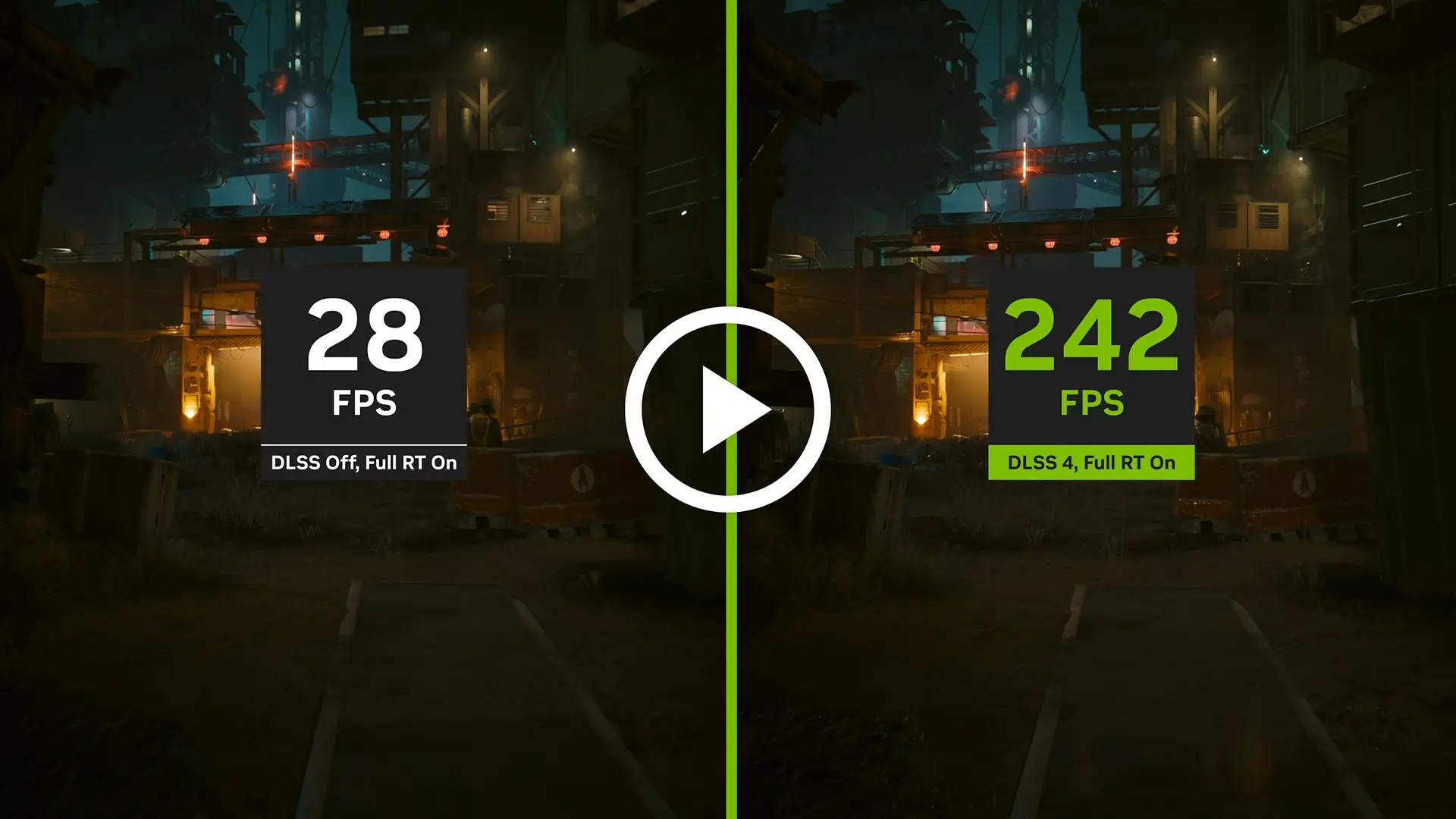
- DLSS 4 with multi-frame generation
- Neural rendering capabilities
💾 GDDR7 Memory Revolution
- Up to 32GB of ultra-fast GDDR7 memory
- Memory bandwidth exceeding 1,700 GB/s
- Enhanced memory compression algorithms
- Improved power efficiency
RTX 50-Series Lineup: Power for Every Budget 💰
RTX 5090 – The Flagship Monster 👑
The RTX 5090 stands as the undisputed king of graphics cards, commanding a premium price of approximately $1,999-$2,499. This behemoth features:
- 32GB GDDR7 memory with 1,792 GB/s bandwidth
- 21,760 CUDA cores for unparalleled parallel processing
- Peak AI performance: 3,352 TOPS (Tera Operations Per Second)
- Power consumption: 600W TGP (Total Graphics Power)
- Target audience: 4K gaming, AI development, content creation
RTX 5080 – The Sweet Spot Performer 🎯
Priced around $1,199-$1,499, the RTX 5080 offers incredible value for enthusiasts:
- 16GB GDDR7 memory with 960 GB/s bandwidth
- 10,752 CUDA cores for exceptional gaming performance
- AI performance: 2,400 TOPS
- Power consumption: 400W TGP
- Target audience: 4K gaming, streaming, professional work
RTX 5070 Ti – The Enthusiast Choice 🔥
At $799-$999, the RTX 5070 Ti delivers premium performance:
- 16GB GDDR7 memory with 672 GB/s bandwidth
- 8,960 CUDA cores
- AI performance: 1,800 TOPS
- Power consumption: 350W TGP
- Target audience: 1440p and 4K gaming
RTX 5070 – The Mainstream Champion 🏆
Starting at $599-$699, the RTX 5070 makes next-gen gaming accessible:
- 12GB GDDR7 memory with 504 GB/s bandwidth
- 6,400 CUDA cores
- AI performance: 1,400 TOPS
- Power consumption: 250W TGP
- Target audience: 1440p gaming, content creation
Gaming Performance: Breaking All Records 🎮
4K Gaming Revolution
The RTX 50-series has finally made 4K gaming at 120+ FPS a reality across a wide range of titles. Here’s what early benchmarks reveal:
RTX 5090 4K Performance:
- Cyberpunk 2077: 95-120 FPS (Ray Tracing Ultra)
- Call of Duty: Modern Warfare III: 140-165 FPS
- Hogwarts Legacy: 85-110 FPS (Ray Tracing High)
- Forza Horizon 5: 180+ FPS (Extreme settings)
RTX 5080 4K Performance:
- Cyberpunk 2077: 70-85 FPS (Ray Tracing High)
- Call of Duty: Modern Warfare III: 110-135 FPS
- Hogwarts Legacy: 65-80 FPS (Ray Tracing Medium)
- Forza Horizon 5: 145+ FPS (Extreme settings)
Ray Tracing Performance Breakthrough 🌟
The 5th-generation RT cores deliver 2x ray tracing performance compared to the RTX 40-series. This means:
- Path tracing is now viable in real-time gaming
- Global illumination with minimal performance impact
- Realistic reflections and shadows at high frame rates
- Portal RTX and similar demanding titles now playable
DLSS 4: The AI Gaming Revolution 🤖
NVIDIA’s DLSS 4 represents a quantum leap in AI-powered gaming:
Multi-Frame Generation Technology:
- Generates up to 3 intermediate frames between each rendered frame
- Delivers 4x performance improvement in supported games
- Maintains visual quality while boosting frame rates
- Works with all RTX 50-series GPUs
Enhanced AI Upscaling:
- Improved temporal stability
- Better handling of fine details
- Reduced ghosting and artifacts
- Support for 8K gaming
AI and Professional Workloads: Unprecedented Power 🧠
AI Development and Machine Learning
The RTX 50-series transforms personal workstations into AI powerhouses:
Large Language Model Training:
- Local deployment of models up to 70B parameters
- Faster training times for custom AI applications
- Enhanced inference performance for real-time AI
Computer Vision Applications:
- Real-time object detection and tracking
- Advanced image processing and enhancement
- Autonomous vehicle simulation
- Medical imaging analysis
Content Creation Revolution 🎨
Video Editing and Rendering:
- 8K video editing with real-time effects
- AI-powered video upscaling and enhancement
- Hardware-accelerated encoding (AV1, H.264, H.265)
- Faster 3D rendering in Blender, Maya, and 3ds Max
3D Graphics and Animation:
- Real-time ray tracing in Blender and Maya
- Accelerated viewport performance
- Enhanced simulation capabilities
- VR content creation optimization
Architecture Deep Dive: Blackwell Explained 🔬
Manufacturing Excellence
The RTX 50-series is built on TSMC’s 4nm process node, representing a significant advancement over the previous generation:
- Transistor density: 92 billion transistors per chip
- Power efficiency: 2.5x performance per watt improvement
- Thermal design: Advanced cooling solutions required
- Die size: Optimized for maximum performance
Memory Subsystem Revolution
GDDR7 Memory Technology:
- Speed: Up to 28 Gbps per pin
- Capacity: Up to 32GB on flagship models
- Bandwidth: Exceeding 1,700 GB/s
- Efficiency: Lower power consumption per bit
Shader Architecture Improvements
Enhanced CUDA Cores:
- Improved instruction throughput
- Better branch prediction
- Enhanced floating-point performance
- Optimized for AI workloads
Real-World Performance Analysis 📊
Gaming Benchmarks Across Resolutions
1440p Gaming Performance:
- RTX 5070: 120+ FPS in most AAA games
- RTX 5070 Ti: 140+ FPS with ray tracing
- RTX 5080: 165+ FPS with maximum settings
- RTX 5090: 200+ FPS overkill performance
4K Gaming Performance:
- RTX 5070: 60-80 FPS in modern games
- RTX 5070 Ti: 80-100 FPS with optimized settings
- RTX 5080: 100-120 FPS with ray tracing
- RTX 5090: 120+ FPS with everything maxed
Power Consumption and Efficiency
Power Draw Analysis:
- RTX 5070: 250W (excellent efficiency)
- RTX 5070 Ti: 350W (balanced performance)
- RTX 5080: 400W (high performance)
- RTX 5090: 600W (maximum power for maximum performance)
Market Impact and Industry Response 🌍
Competition Landscape
AMD’s Response:
- Radeon RX 8000 series in development
- Focus on price-to-performance ratio
- Enhanced ray tracing capabilities
- Competitive AI acceleration features
Intel’s Arc Evolution:
- Arc Battlemage series showing promise
- Improved driver support and optimization
- Competitive pricing strategy
- Growing game compatibility
Price vs Performance Analysis
Value Proposition:
- RTX 5070: Best mainstream value
- RTX 5070 Ti: Sweet spot for enthusiasts
- RTX 5080: Premium performance justified
- RTX 5090: Flagship with no compromises
Future-Proofing Your Investment 🔮
Longevity Considerations
Why RTX 50-Series Cards Are Future-Proof:
- Next-gen console compatibility: Matches PS6/Xbox Series expectations
- AI integration: Ready for future AI-enhanced games
- VR readiness: Optimized for next-generation VR headsets
- 8K gaming: Prepared for widespread 8K adoption
Upgrade Recommendations
Coming from RTX 30-Series:
- RTX 3070/3080 → RTX 5070 Ti/5080
- RTX 3090 → RTX 5080/5090
- Significant performance gains justify upgrade
Coming from RTX 40-Series:
- RTX 4070/4080 → Consider RTX 5080
- RTX 4090 → RTX 5090 for cutting-edge performance
- Wait for mid-generation refresh if satisfied
Technical Specifications Comparison 📋
Complete RTX 50-Series Specs
| Model | CUDA Cores | Memory | Memory Bandwidth | Base Clock | Boost Clock | TGP | MSRP |
|---|---|---|---|---|---|---|---|
| RTX 5090 | 21,760 | 32GB GDDR7 | 1,792 GB/s | 2,230 MHz | 2,520 MHz | 600W | $1,999 |
| RTX 5080 | 10,752 | 16GB GDDR7 | 960 GB/s | 2,295 MHz | 2,550 MHz | 400W | $1,199 |
| RTX 5070 Ti | 8,960 | 16GB GDDR7 | 672 GB/s | 2,310 MHz | 2,570 MHz | 350W | $799 |
| RTX 5070 | 6,400 | 12GB GDDR7 | 504 GB/s | 2,340 MHz | 2,595 MHz | 250W | $599 |
System Requirements and Compatibility 🔧
PSU Requirements
Recommended Power Supply Units:
- RTX 5070: 750W 80+ Gold
- RTX 5070 Ti: 850W 80+ Gold
- RTX 5080: 1000W 80+ Gold
- RTX 5090: 1200W 80+ Gold
Motherboard Compatibility
PCIe Requirements:
- PCIe 4.0 x16 recommended
- PCIe 3.0 x16 compatible (slight performance loss)
- ATX12VO power connector support
- Adequate cooling clearance required
CPU Pairing Recommendations
Optimal CPU Combinations:
- RTX 5070: Intel Core i5-14600K / AMD Ryzen 7 7800X3D
- RTX 5070 Ti: Intel Core i7-14700K / AMD Ryzen 9 7900X
- RTX 5080: Intel Core i7-14700K / AMD Ryzen 9 7950X
- RTX 5090: Intel Core i9-14900K / AMD Ryzen 9 7950X3D
Availability and Market Outlook 📈
Launch Timeline
Release Schedule:
- RTX 5090: January 2025 (Limited availability)
- RTX 5080: February 2025 (Wider availability)
- RTX 5070 Ti: March 2025 (Volume production)
- RTX 5070: April 2025 (Mass market availability)
Supply Chain Considerations
Availability Challenges:
- High demand for flagship models
- Limited initial production capacity
- Premium pricing during launch window
- Gradual price normalization expected
Investment Perspective
Long-term Value:
- RTX 50-series represents 3-5 year investment
- Strong resale value expected
- Future game compatibility guaranteed
- AI capabilities provide additional value
Conclusion: The Graphics Card That Changes Everything 🎯
The NVIDIA RTX 50-series isn’t just another graphics card generation – it’s a paradigm shift that redefines what’s possible in gaming, AI, and professional workloads. With revolutionary Blackwell architecture, unprecedented AI capabilities, and performance that finally makes 4K gaming at high refresh rates accessible, these GPUs justify their premium pricing.
Key Takeaways:
- RTX 5090: The ultimate flagship for no-compromise performance
- RTX 5080: The sweet spot for enthusiast gamers
- RTX 5070 Ti: Premium features at a reasonable price
- RTX 5070: Makes next-gen gaming accessible
The $2000+ price tags might seem steep, but when you consider the technological leap, future-proofing, and the sheer computational power these cards deliver, they represent a worthwhile investment for serious gamers, content creators, and AI enthusiasts.
The RTX 50-series doesn’t just change graphics cards – it changes everything about how we think about visual computing, AI acceleration, and the future of interactive entertainment. The revolution is here, and it’s powered by 92 billion transistors working in perfect harmony.
🔥 Ready to upgrade? The RTX 50-series is available now from authorized retailers. Check current pricing and availability to join the graphics revolution!
Keywords: RTX 5090 review, RTX 50 series price, best graphics card 2025, NVIDIA Blackwell architecture, 4K gaming GPU, AI graphics card, DLSS 4, ray tracing performance, RTX 5080 benchmarks, gaming GPU comparison