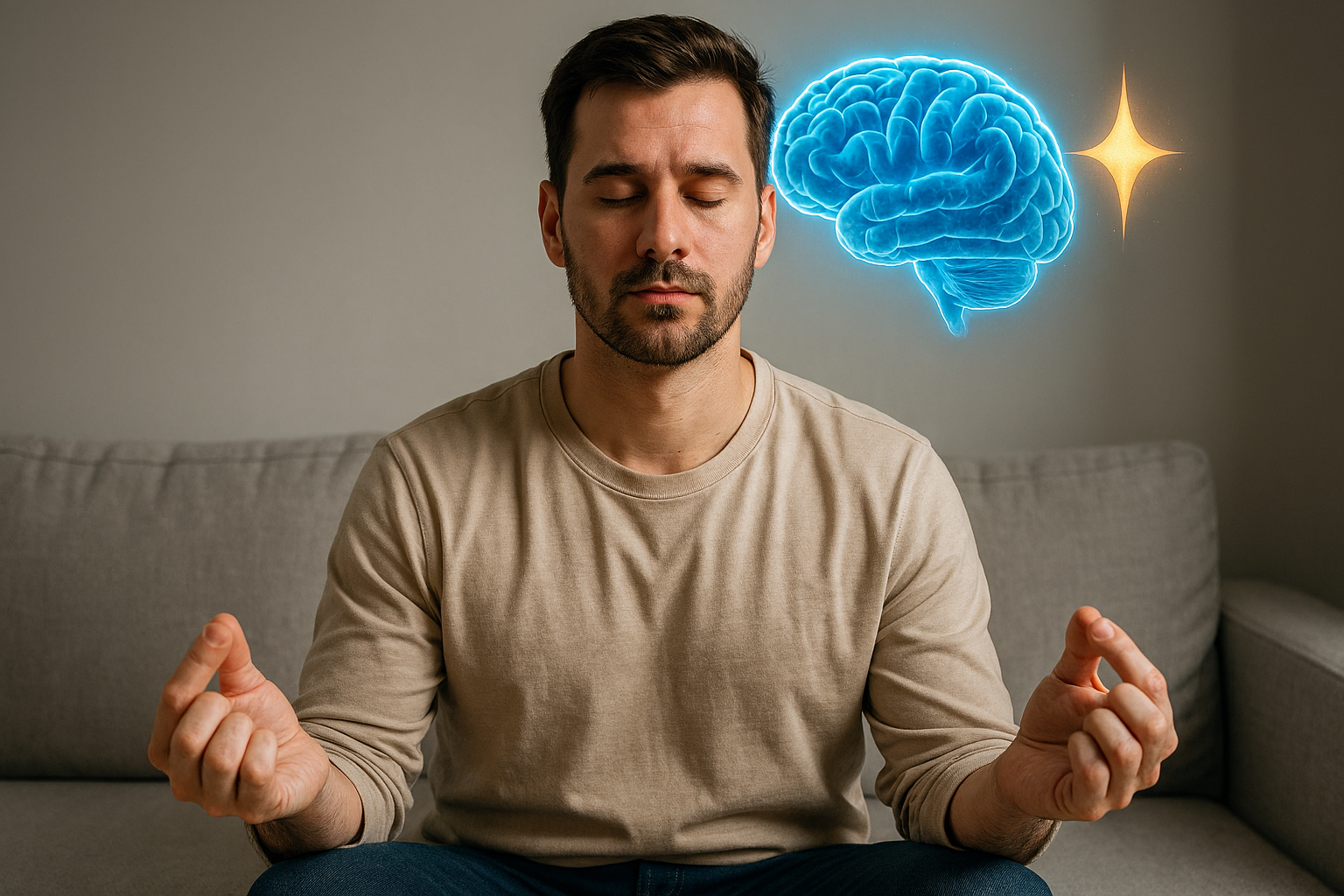
Reset Your Brain’s Reward System 🧠✨
Dopamine detox has become the ultimate brain hack for millions struggling with digital overwhelm, endless scrolling, and the constant need for instant gratification. If you’re reading this while fighting the urge to check your phone, bounce between tabs, or mindlessly consume content, you’re experiencing exactly why this powerful reset technique is transforming lives worldwide.
But here’s what most people get wrong about dopamine detox: it’s not about depriving yourself of all pleasure or living like a monk. The real science behind dopamine detox reveals it’s actually about recalibrating your brain’s reward system to find genuine satisfaction in meaningful activities again. 🎯
In today’s hyper-stimulating world, our brains are constantly bombarded with artificial dopamine hits from social media notifications, video games, junk food, and endless entertainment options. This digital dopamine overload is literally rewiring our neural pathways, making it harder to focus, feel motivated, and find joy in simple pleasures.
Ready to break free from the addiction cycle and reset your brain for peak performance? Let’s dive deep into the neuroscience-backed approach that’s helping people reclaim their mental clarity, boost productivity, and rediscover what genuine satisfaction feels like.
What Exactly Is Dopamine? The Brain’s Motivation Molecule 🔬
Before we explore how to reset your reward system, let’s understand what we’re actually dealing with. Dopamine is far more complex and fascinating than most people realize.
Dopamine is a neurotransmitter involved in the body’s system for reward and pleasure. While dopamine does rise in response to rewards or pleasurable activities, it doesn’t actually decrease when you avoid overstimulating activities, so a dopamine “fast” doesn’t actually lower your dopamine levels. Instead, dopamine serves as the primary neurotransmitter in this system, and its release is not just about pleasure but also about motivation.
Think of dopamine as your brain’s internal GPS for motivation and goal-seeking. When you anticipate something rewarding—whether it’s a delicious meal, social approval, or achieving a goal—dopamine neurons fire and create that feeling of “wanting.” This system evolved to keep our ancestors motivated to seek food, shelter, and reproduction. Pretty crucial for survival!
The Modern Dopamine Hijacking Crisis 📱
Here’s where things get problematic in our digital age. Natural rewards such as food, social bonding, and exercise activate the brain’s reward system in a regulated and sustainable manner. However, artificial stimuli (like drugs, alcohol, and gambling) can hijack the reward system by triggering excessive dopamine release, leading to a cycle of overactivation and desensitization.
But it’s not just substances. Our smartphones, social media platforms, video games, and streaming services have been scientifically engineered to trigger these same reward pathways. Every notification, like, comment, and “next episode” button is designed to give you micro-hits of dopamine, keeping you coming back for more.
The result? Your brain starts requiring higher and higher levels of stimulation just to feel normal. Everyday activities that once brought satisfaction—reading a book, having a conversation, taking a walk—suddenly feel boring and unfulfilling. You’ve developed what researchers call “dopamine tolerance.”
The Three Types of Dopamine Dysfunction 🎭
Recent neuroscience research has identified three main patterns of dopamine dysregulation in modern life:
1. The Instant Gratification Trap ⚡ Your brain craves immediate rewards and struggles with delayed gratification. You choose scrolling over studying, binge-watching over exercise, fast food over cooking.
2. The Stimulation Addiction Cycle 🔄 You need constant entertainment and stimulation. Silence, boredom, or being alone with your thoughts feels uncomfortable or even anxious.
3. The Motivation Deficit 😴 Important tasks feel overwhelming or impossible to start. You know what you should do but can’t generate the motivation to actually do it.
Sound familiar? You’re not alone. Research shows that about 61% of people admit they’re addicted to the internet and their digital screens, and this constant connection is literally reshaping our brain’s reward pathways.
The Real Science Behind Dopamine Detox 🧬
Now let’s separate fact from fiction. Despite what you might have seen on social media, dopamine detox isn’t about literally removing dopamine from your brain (that would be impossible and dangerous!). True neuroscience research reveals what’s actually happening during a properly executed reset.
What Really Happens During Detox 🔄
When you temporarily reduce exposure to highly stimulating activities, several fascinating neurological changes occur:
Receptor Sensitivity Recovery: Over time, your dopamine receptors become less sensitive due to overstimulation. Taking a break allows them to regain their sensitivity, meaning you can find pleasure in smaller, more natural rewards again.
Attention Network Restoration: Constant task-switching and notification-checking fragments your attention networks. Digital detoxes help restore your ability to sustain focus on single tasks.
Stress Response Recalibration: Your nervous system gets stuck in a chronic state of arousal from endless stimulation. Reducing inputs allows your stress response to reset to healthy baseline levels.
Neuroplasticity Enhancement: Your brain’s ability to form new neural pathways—crucial for learning and habit formation—improves when it’s not constantly bombarded with stimulation.
Recent fMRI studies show that people who engage in digital detoxes experience measurable changes in brain activity within just 7-14 days. Areas associated with impulse control, emotional regulation, and sustained attention show increased activation, while stress and anxiety-related regions show decreased activity.
The Neuroscience of Reward Prediction Error 📊
Here’s where it gets really fascinating. Your brain operates on something called “reward prediction error”—the difference between what you expect and what you actually get. When you constantly seek high-stimulation activities, your brain predicts bigger and bigger rewards, making normal activities seem disappointing by comparison.
A properly structured dopamine detox essentially “resets” these predictions. By temporarily reducing stimulation, you recalibrate your brain’s expectations, allowing smaller pleasures to register as genuinely rewarding again. It’s like adjusting your eyes from bright sunlight to a dimly lit room—at first everything seems dark, but gradually your sensitivity improves and you can see clearly again.
The Ultimate Dopamine Detox Protocol: A Step-by-Step System 📋
Ready to reset your brain’s reward system? Here’s a scientifically-backed protocol that actually works, based on the latest neuroscience research and thousands of success stories.
Phase 1: The 24-Hour Digital Sabbath (Days 1-2) 🚫
Start with a manageable but meaningful challenge: one full day without your highest-stimulation activities. This isn’t about suffering—it’s about creating space for your brain to recalibrate.
What to Avoid:
- Social media and entertainment apps
- Video games and streaming services
- Non-essential internet browsing
- Junk food and artificial sweeteners
- Background music or podcasts (unless for work)
What to Embrace:
- Reading physical books or meaningful articles
- Face-to-face conversations
- Walking or light exercise
- Cooking from scratch
- Journaling or creative writing
- Meditation or mindfulness practices
Pro Tip: Don’t go “cold turkey” on everything at once. Choose your top 3 most addictive digital behaviors and focus on those first.
Phase 2: The 7-Day Reset Challenge (Days 3-9) 🗓️
Once you’ve proven to yourself that you can go 24 hours, extend the protocol for a full week. This is where the real neuroplastic changes begin to happen.
Morning Routine Optimization:
- Wake up without immediately checking your phone
- Spend first 30 minutes on intentional activities (exercise, meditation, journaling)
- Eat a nutritious breakfast without digital distraction
Work/Study Enhancement:
- Use time-blocking techniques with 90-minute focused work sessions
- Take breaks that involve movement, not more screen time
- Practice single-tasking instead of multitasking
Evening Protocol:
- Digital sunset 2 hours before sleep
- Replace entertainment with meaningful activities
- Prepare tomorrow’s priorities to reduce decision fatigue
Phase 3: The Long-Term Lifestyle Integration (Days 10+) 🌱
The real magic happens when you integrate dopamine-conscious choices into your everyday life. This isn’t about permanent restriction—it’s about intentional consumption.
The 80/20 Principle:
- 80% of your time: High-value, meaningful activities
- 20% of your time: Intentional, guilt-free indulgence in higher-stimulation activities
Weekly Digital Detox Days:
- Choose one day per week for minimal digital consumption
- Use this time for relationships, hobbies, and personal growth
- Make it something you look forward to, not dread
Advanced Dopamine Detox Strategies 🚀
Ready to take your reset to the next level? These advanced techniques leverage cutting-edge neuroscience to maximize your results.
The Dopamine Scheduling Method 📅
Instead of random dopamine hits throughout the day, schedule specific times for higher-stimulation activities. This teaches your brain to anticipate rewards at appropriate times rather than constantly seeking them.
Example Daily Schedule:
- 6:00-8:00 AM: Low-dopamine morning routine
- 8:00-12:00 PM: Deep work (no digital distractions)
- 12:00-1:00 PM: Lunch break (can include some social media)
- 1:00-5:00 PM: More focused work
- 5:00-6:00 PM: Planned entertainment time
- 6:00-9:00 PM: Real-world activities and relationships
- 9:00-10:00 PM: Bedtime routine (no screens)
Environmental Design for Success 🏗️
Your environment is constantly influencing your dopamine-seeking behavior. Smart environmental design makes good choices automatic and bad choices harder.
Phone and Device Management:
- Keep phone in another room when working or sleeping
- Use app timers and website blockers during focus time
- Delete social media apps (use browser versions that are less convenient)
- Set up a charging station outside the bedroom
Physical Environment Optimization:
- Create dedicated spaces for different activities (work, relaxation, sleep)
- Remove temptation objects from view (junk food, gaming controllers)
- Place books, instruments, or art supplies in easily accessible locations
- Use lighting that promotes alertness during work and relaxation during evenings
The Replacement Activity Matrix 🔄
One of the biggest mistakes people make during dopamine detox is removing stimulating activities without replacing them with equally engaging (but healthier) alternatives.
High-Stimulation → Moderate-Stimulation Swaps:
- Social media scrolling → Reading engaging non-fiction
- Video games → Playing musical instruments or sports
- Junk food → Cooking elaborate healthy meals
- Netflix binging → Learning a new skill through hands-on practice
Moderate-Stimulation → Low-Stimulation Swaps:
- Podcasts while walking → Walking in nature without audio
- Background music while working → Working in productive silence
- Shopping for entertainment → Organizing and appreciating what you already own
- Multitasking → Single-tasking with full presence
The Dopamine Detox Troubleshooting Guide 🔧
Let’s address the most common challenges people face during their reset journey, based on real experiences and scientific solutions.
Challenge 1: The Boredom Wall 😴
What’s Happening: Around day 2-4, many people hit intense boredom or restlessness. This isn’t weakness—it’s your brain realizing its usual stimulation sources are unavailable.
The Solution: Embrace the boredom! Neuroscience shows that boredom is actually crucial for creativity and self-reflection. When your brain isn’t constantly consuming external input, it activates something called the “default mode network,” which is associated with innovation, problem-solving, and personal insights.
Practical Strategies:
- Set a timer for 10 minutes and just sit with the boredom without trying to fix it
- Use boring moments as cues to practice mindfulness or gratitude
- Keep a “boredom journal” to track what insights emerge during unstimulated time
Challenge 2: Social Pressure and FOMO 📱
What’s Happening: Friends keep tagging you, group chats are active, and you feel like you’re missing out on important social connections.
The Solution: Communication and boundaries. Most people are surprisingly supportive when you explain what you’re doing and why.
Practical Strategies:
- Announce your detox period to close friends and family
- Check messages once per day at a scheduled time
- Ask friends to call or text for urgent matters
- Plan more in-person social activities during your detox
Challenge 3: Work and Productivity Demands 💼
What’s Happening: Your job requires constant connectivity, and you can’t just disappear from digital communications.
The Solution: Strategic reduction rather than complete elimination. Focus on removing unnecessary digital stimulation while maintaining professional requirements.
Practical Strategies:
- Turn off non-essential notifications during work hours
- Use website blockers for recreational sites during work time
- Schedule specific times for checking and responding to emails
- Practice single-tasking during important projects
Challenge 4: The Rebound Effect 🔄
What’s Happening: After your detox period, you find yourself binge-consuming all the content and activities you avoided, sometimes worse than before.
The Solution: Plan your reintegration thoughtfully. The goal isn’t to return to old patterns but to maintain your newly recalibrated sensitivity.
Practical Strategies:
- Create specific rules for post-detox consumption (time limits, specific apps only)
- Continue some detox practices permanently (like phone-free mornings)
- Regular “maintenance” mini-detoxes (one day per week or weekend)
- Focus on adding positive activities rather than just restricting negative ones
Measuring Your Dopamine Detox Success 📊
How do you know if your reset is actually working? Here are the key indicators to track:
Week 1 Indicators 📈
- Improved Sleep Quality: Falling asleep faster, more restful sleep
- Increased Awareness: Noticing how often you used to check devices
- Enhanced Taste and Sensory Perception: Food tastes better, nature feels more vivid
- Initial Discomfort: Restlessness and boredom (this is normal and positive!)
Week 2-4 Indicators 🎯
- Sustained Attention: Ability to focus on single tasks for longer periods
- Intrinsic Motivation: Feeling genuinely interested in previously “boring” activities
- Emotional Stability: Less reactive to stress, more emotional balance
- Creative Insights: New ideas and perspectives emerging naturally
Long-term Indicators (Month 2+) 🌟
- Effortless Focus: Deep work feels natural rather than forced
- Genuine Enjoyment: Finding satisfaction in simple pleasures again
- Reduced Compulsive Behaviors: Less urge to check devices or seek stimulation
- Improved Relationships: More present and engaged with family and friends
Technology Tools That Actually Help Your Detox 📲
Ironically, certain technology tools can support your dopamine detox journey. The key is using technology intentionally rather than compulsively.
Essential Apps for Digital Wellness 📱
For Focus and Productivity:
- Forest or Plantie: Gamify focused work sessions by growing virtual trees
- Freedom or Cold Turkey: Block distracting websites and apps during work time
- RescueTime or Screen Time: Track and analyze your digital consumption patterns
- Be Focused or PomoDone: Structure work with the Pomodoro Technique
For Mindfulness and Replacement Activities:
- Headspace or Calm: Guided meditations for managing detox discomfort
- Insight Timer: Silent meditation timers and nature sounds
- Kindle or Audible: Replace social media scrolling with reading
- Duolingo or Skillshare: Channel curiosity into skill development
For Sleep and Circadian Rhythm:
- f.lux or Night Shift: Reduce blue light exposure in evenings
- Sleep Cycle or AutoSleep: Track sleep quality improvements
- Do Not Disturb scheduling: Automatic phone silencing during rest periods
The Smart Home Setup for Dopamine Detox 🏠
Transform your living space to support your reset journey:
Bedroom Optimization:
- Use a traditional alarm clock instead of your phone
- Install blackout curtains for better sleep quality
- Keep phones charging outside the bedroom
- Add plants and natural elements for a calming environment
Work Area Design:
- Single-purpose workspace free from entertainment devices
- Natural lighting when possible
- Physical books and notebooks for reduced screen time
- Visit our complete home office setup guide for more productivity tips
The Neuroscience of Breaking Digital Addiction 🧠
Let’s dive deeper into what’s actually happening in your brain during digital overconsumption and how dopamine detox helps reverse these changes.
Understanding Addiction vs. Habit 🔄
Recent neuroscience research reveals important distinctions between digital habits and true addiction. While not everyone develops clinical addiction, many people do develop problematic usage patterns that share similar brain mechanisms.
Habit Formation in the Digital Age: When you repeatedly check social media, play games, or consume digital content, your brain creates automatic behavioral loops. The basal ganglia—your brain’s habit center—stores these patterns to make them more efficient. Eventually, these behaviors become so automatic you barely realize you’re doing them.
Tolerance and Escalation: Over time, your brain adapts to constant stimulation by reducing dopamine receptor sensitivity and natural dopamine production. This is why activities that once excited you start feeling dull, and you need increasingly stimulating content to feel satisfied.
Withdrawal and Craving: When regular stimulation is removed, you experience genuine withdrawal symptoms: restlessness, anxiety, difficulty concentrating, and intense cravings. These aren’t character flaws—they’re normal neurobiological responses to removing a habitual stimulus.
The Dopamine Detox Recovery Process 🚀
Understanding what’s happening in your brain during detox helps you stay motivated through challenging moments:
Days 1-3: Acute Withdrawal Phase
- Brain chemistry: Dopamine levels temporarily lower, stress hormones may increase
- Experience: Restlessness, boredom, strong urges to return to old patterns
- What’s happening: Your brain is searching for its usual reward sources and hasn’t yet adapted
Days 4-14: Neuroplastic Adaptation
- Brain chemistry: Receptor sensitivity begins improving, stress response starts normalizing
- Experience: Boredom decreases, occasional moments of genuine interest in new activities
- What’s happening: New neural pathways form around healthier behaviors
Days 15-30: System Recalibration
- Brain chemistry: More balanced dopamine function, improved cognitive control networks
- Experience: Increased focus ability, genuine enjoyment of simple pleasures returns
- What’s happening: Your brain’s reward prediction system resets to more realistic expectations
Month 2+: Long-term Integration
- Brain chemistry: Stable, healthy reward system function with maintained sensitivity
- Experience: Effortless focus, natural motivation, reduced compulsive behaviors
- What’s happening: New behavioral patterns become automatic, old addiction pathways weaken
Advanced Biohacking for Dopamine Optimization ⚡
Ready to go beyond basic detox? These cutting-edge strategies leverage the latest research in neuroscience and behavioral psychology.
Circadian Rhythm Optimization 🌅
Your dopamine system is closely linked to your circadian rhythm. Optimizing your daily light exposure and sleep patterns can dramatically improve your detox results.
Morning Light Protocol:
- Get 10-15 minutes of bright natural light within 30 minutes of waking
- This helps regulate dopamine production and improves mood throughout the day
- If natural light isn’t available, use a 10,000 lux light therapy device
Evening Light Management:
- Dim lights 2 hours before desired bedtime
- Use blue light filtering glasses or apps after sunset
- Keep bedroom completely dark for optimal melatonin production
Nutritional Support for Neurotransmitter Health 🍎
Certain nutrients directly support healthy dopamine production and function:
Dopamine Building Blocks:
- Tyrosine: Found in almonds, bananas, apples, and lean proteins
- Iron: Essential for dopamine synthesis (leafy greens, lean meats, legumes)
- B6: Supports neurotransmitter production (fish, poultry, potatoes)
- Folate: Critical for brain health (dark leafy greens, beans, citrus fruits)
Natural Dopamine Supporters:
- Green tea: L-theanine promotes calm focus and balanced dopamine
- Dark chocolate (85%+ cacao): Contains natural mood-enhancing compounds
- Blueberries: Antioxidants support brain health and neurotransmitter function
- Turmeric: Anti-inflammatory effects may support healthy brain function
Exercise Protocols for Dopamine Balance 🏃♂️
Physical activity is one of the most powerful natural ways to support healthy dopamine function. Different types of exercise affect neurotransmitters in unique ways.
High-Intensity Interval Training (HIIT):
- 15-20 minutes, 2-3 times per week
- Provides natural dopamine release and improves stress resilience
- Particularly effective for those recovering from digital addiction
Steady-State Cardio:
- 30-45 minutes of moderate activity (walking, jogging, cycling)
- Supports neurogenesis (new brain cell growth) and mood regulation
- Great for managing detox-related anxiety or restlessness
Strength Training:
- 2-3 sessions per week focusing on compound movements
- Builds confidence and provides sense of accomplishment
- Helps replace achievement-seeking from digital sources with physical progress
Check out our comprehensive home workout guide for specific exercise routines that support brain health.
Creating Your Personalized Dopamine Detox Plan 📝
Every brain is different, and your detox approach should be tailored to your specific patterns, lifestyle, and goals. Here’s how to create a customized plan that actually works for you.
Step 1: Conduct Your Digital Audit 📊
Before changing anything, spend 3-7 days tracking your current patterns:
Screen Time Analysis:
- Use built-in screen time tools (iOS Screen Time, Android Digital Wellbeing)
- Note which apps consume the most time
- Identify patterns: When do you use devices most? What triggers usage?
Behavioral Pattern Mapping:
- Track mood before and after digital consumption
- Note physical symptoms (eye strain, neck pain, restlessness)
- Identify “unconscious” usage (picking up phone without specific intent)
Impact Assessment:
- Rate daily focus levels (1-10 scale)
- Note sleep quality and energy levels
- Assess satisfaction with daily accomplishments
Step 2: Choose Your Detox Intensity Level 🎯
Based on your audit results and lifestyle demands, select an appropriate intensity:
Level 1: Gentle Reset (For Busy Professionals)
- Morning phone-free hours: First 60 minutes after waking
- Work focus blocks: 90-minute periods with minimal digital distraction
- Evening wind-down: Digital sunset 1 hour before bed
- Weekend digital sabbath: 4-6 hours of minimal device usage
Level 2: Moderate Reset (For Noticeable Addiction Patterns)
- Extended morning routine: 2 hours phone-free upon waking
- Deep work sessions: Half-day periods of single-task focus
- Social media elimination: 1-2 weeks complete break from recreational apps
- Regular digital sabbaths: One full day per week with minimal connectivity
Level 3: Intensive Reset (For Severe Digital Dependence)
- Multi-day complete digital fast: 72-96 hours minimal technology use
- Social media detox: 30+ days without recreational digital consumption
- Smartphone replacement: Temporary use of basic phone for essential communications
- Comprehensive lifestyle overhaul: New routines, hobbies, and social patterns
Step 3: Build Your Support System 👥
Successful dopamine detox requires environmental and social support:
Family and Friends:
- Explain your goals and timeline clearly
- Ask for accountability and encouragement
- Plan more in-person activities during detox period
- Consider finding a detox buddy or support group
Professional Considerations:
- Communicate boundaries around response times for non-urgent matters
- Use auto-responders explaining delayed responses during focus periods
- Delegate or reschedule non-essential digital tasks during intensive periods
Community Resources:
- Join local clubs, classes, or hobby groups
- Find accountability partners with similar goals
- Consider working with a therapist or coach if addiction patterns are severe
Step 4: Plan Your Replacement Activities 🎨
The secret to successful dopamine detox isn’t removing stimulation—it’s replacing unhealthy stimulation with meaningful engagement.
Cognitive Stimulation Replacements:
- Instead of social media scrolling → Read challenging non-fiction books
- Instead of video games → Learn musical instruments, programming, or new languages
- Instead of random YouTube videos → Take online courses in subjects you’re curious about
- Instead of news consumption → Deep-dive research into topics you find fascinating
Physical Activity Replacements:
- Instead of couch entertainment → Walking, hiking, or sports
- Instead of food delivery apps → Cooking elaborate healthy meals
- Instead of online shopping → Organizing and optimizing your living space
- Instead of digital socializing → In-person activities with friends and family
Creative Expression Replacements:
- Instead of consuming content → Create art, music, writing, or crafts
- Instead of passive entertainment → Build something with your hands
- Instead of digital photography → Film photography or sketching
- Instead of online browsing → Journaling, planning, or goal-setting
The Long-Term Dopamine Optimization Lifestyle 🌟
True success with dopamine detox isn’t about the reset period—it’s about creating sustainable habits that keep your brain’s reward system healthy long-term.
Daily Dopamine Hygiene Practices 🧼
Just like physical hygiene, your brain’s reward system needs daily maintenance:
Morning Dopamine Priming:
- Wake up naturally when possible (avoid jarring alarms)
- Expose yourself to bright natural light within 30 minutes of waking
- Complete a small meaningful task before checking any devices
- Practice gratitude for simple pleasures (morning coffee, comfortable bed, good health)
Workday Dopamine Management:
- Structure work in 90-minute focused blocks with 15-20 minute breaks
- Use natural rewards (brief walk, healthy snack, moment of sunshine) between tasks
- Practice single-tasking instead of constant multitasking
- End workday with clear closure ritual rather than endless tasks
Evening Dopamine Wind-Down:
- Create a “digital sunset” 1-2 hours before sleep
- Engage in naturally rewarding activities (cooking, reading, conversations)
- Practice reflection on daily accomplishments, however small
- Prepare tomorrow to reduce morning decision fatigue
Weekly and Monthly Maintenance 📅
Weekly Digital Sabbaths: Choose one day per week for minimal digital consumption. This isn’t about suffering—it’s about maintaining your sensitivity to simple pleasures and strengthening real-world connections.
Monthly Dopamine Audits: Regularly assess your digital consumption patterns and their impact on your wellbeing. Are old habits creeping back? Do you need to adjust your boundaries?
Seasonal Intensive Resets: Every 3-4 months, consider a more intensive 3-7 day reset to recalibrate your system and break any problematic patterns that may have developed.
Building Dopamine-Positive Habits 🏗️
The most successful people don’t just restrict unhealthy dopamine sources—they actively cultivate healthy ones:
Achievement and Mastery:
- Set challenging but achievable goals in meaningful areas of life
- Track progress visually (journals, charts, photos)
- Celebrate small wins and learn from setbacks
- Focus on process improvement rather than just outcomes
Social Connection and Contribution:
- Prioritize in-person social activities over digital connections
- Find ways to help others and contribute to your community
- Express gratitude and appreciation to people in your life
- Build traditions and shared experiences with family and friends
Physical Health and Vitality:
- Regular exercise that you actually enjoy, not just endure
- Nutritious food prepared with care and eaten mindfully
- Adequate sleep prioritized over late-night digital consumption
- Time in nature and away from artificial environments
Learning and Growth:
- Pursue knowledge and skills for intrinsic interest, not just external validation
- Read books that challenge your thinking and expand your perspective
- Engage in creative activities that produce tangible results
- Seek experiences that push you slightly outside your comfort zone
Dopamine Detox Myths vs. Reality 🎭
Let’s address common misconceptions that might be sabotaging your success:
Myth 1: “Dopamine detox means avoiding all pleasure” ❌
Reality: The goal is to reset your sensitivity to pleasure, not eliminate it entirely. You’re temporarily reducing artificial, high-intensity pleasures to rediscover natural, sustainable ones. A properly executed dopamine detox should increase your overall life satisfaction, not decrease it.
Myth 2: “You need to do extreme month-long fasts” ❌
Reality: While some people benefit from longer intensive periods, most people see significant improvements with shorter, more sustainable approaches. Even a single day of mindful digital consumption can provide valuable insights and benefits.
Myth 3: “Dopamine detox is just willpower and self-discipline” ❌
Reality: Successful detox relies much more on environmental design, habit substitution, and understanding neuroscience than on pure willpower. In fact, trying to muscle through with willpower alone often leads to failure and frustration.
Myth 4: “All technology is bad and should be avoided” ❌
Reality: Technology itself isn’t the problem—it’s unconscious, compulsive usage that causes issues. Many successful detoxers use technology tools strategically to support their goals while eliminating problematic consumption patterns.
Myth 5: “Results should be immediate and dramatic” ❌
Reality: While some people experience quick improvements, lasting change typically takes 2-4 weeks to become noticeable and 2-3 months to fully integrate. The most sustainable results come from gradual, consistent changes rather than dramatic overnight transformations.
Troubleshooting Common Challenges 🔧
Let’s address the specific obstacles most people encounter and provide practical solutions:
Challenge: “I feel anxious and restless without my usual digital activities” 😰
Why This Happens: Your nervous system has become accustomed to constant stimulation. Without it, you might experience genuine withdrawal symptoms including anxiety, restlessness, and difficulty sitting still.
Solutions:
- Practice deep breathing exercises when restlessness hits (4-7-8 breathing pattern)
- Use physical movement to discharge nervous energy (quick walk, stretching, pushups)
- Try progressive muscle relaxation to manage physical tension
- Remember that this discomfort is temporary and indicates your reset is working
Timeline: Most people notice significant reduction in anxiety by days 5-7 of consistent practice.
Challenge: “My productivity at work suffers without multitasking” 📉
Why This Happens: You’ve trained your brain to expect constant task-switching, making sustained focus feel unfamiliar and difficult initially.
Solutions:
- Start with shorter focus blocks (15-30 minutes) and gradually increase
- Use the Pomodoro Technique with 25-minute work periods and 5-minute breaks
- Eliminate digital distractions during focus periods (phone in drawer, website blockers active)
- Track your actual productivity metrics rather than relying on feelings
Timeline: Most people see productivity improvements by week 2, with significant gains by week 4.
Challenge: “I miss out on important social connections” 👥
Why This Happens: Much of modern social interaction happens through digital channels, and reducing usage can initially feel isolating.
Solutions:
- Proactively schedule in-person activities with friends and family
- Use phone calls instead of texting for meaningful conversations
- Join local groups, clubs, or activities that align with your interests
- Set specific times for checking and responding to messages rather than constant availability
Timeline: Social adjustment typically takes 1-2 weeks, with deeper connections forming over the following months.
Challenge: “I relapse into old patterns quickly” 🔄
Why This Happens: Your brain’s habit pathways are still strong, and without replacement activities, it’s natural to return to familiar patterns.
Solutions:
- Focus more on adding positive activities than removing negative ones
- Create physical barriers to problematic behaviors (apps deleted, devices in other rooms)
- Use the “if-then” planning: “If I feel the urge to scroll, then I will do 10 pushups first”
- Practice self-compassion rather than harsh self-criticism after setbacks
Timeline: Habit formation typically takes 21-66 days, with most people seeing stable changes by 30 days of consistent practice.
The Future of Digital Wellness and Brain Health 🔮
As our understanding of neuroscience and digital impact evolves, exciting developments are emerging in the field of cognitive health and dopamine optimization.
Emerging Research Areas 🧬
Personalized Neurofeedback: New technologies can measure real-time brain activity and provide personalized recommendations for optimizing dopamine function based on your unique neural patterns.
Pharmacological Support: Researchers are investigating supplements and medications that might support healthy dopamine function during digital detox periods, though lifestyle changes remain the foundation.
Virtual Reality Therapy: Ironically, controlled VR environments are being used to help people practice focus and mindfulness skills in gradually less stimulating virtual environments.
AI-Powered Digital Wellness: Artificial intelligence tools are being developed to detect problematic usage patterns and intervene with personalized recommendations before addiction patterns fully develop.
Building a Dopamine-Conscious Society 🌍
The dopamine detox movement is part of a larger cultural shift toward intentional technology use and digital wellness:
Educational Integration: Schools are beginning to teach “digital literacy” that includes understanding how technology affects brain function and attention.
Workplace Wellness: Companies are implementing “focus time” policies, meeting-free periods, and digital wellness programs to support employee cognitive health.
Urban Planning: Cities are designing more spaces that encourage face-to-face interaction, physical activity, and connection with nature as alternatives to digital entertainment.
Technology Design: A growing “humane technology” movement is pushing tech companies to design products that support human wellbeing rather than exploit neurological vulnerabilities.
Your Next Steps: From Knowledge to Action 🚀
You now have the scientific knowledge and practical tools needed to successfully reset your brain’s reward system. But information without action is just entertainment. Here’s exactly how to begin your transformation:
Today (Next 30 Minutes):
- Conduct Your Personal Audit: Use your phone’s screen time feature to see your current usage patterns
- Choose Your Starting Level: Based on your audit, decide whether you’ll begin with Level 1, 2, or 3 intensity
- Set Up Your Environment: Remove or relocate the most tempting digital distractions from your primary living/work spaces
- Plan Your First Replacement Activity: Choose one meaningful activity you’ll do instead of your most problematic digital habit
This Week:
- Implement Your Chosen Protocol: Start with your selected dopamine detox level and track your experience daily
- Build Your Support Network: Tell at least 2 people about your goals and ask for their encouragement
- Optimize Your Sleep Environment: Remove devices from your bedroom and establish a proper digital sunset routine
- Schedule Replacement Activities: Put specific times in your calendar for the healthy activities you want to increase
This Month:
- Track and Adjust: Monitor your progress using the indicators mentioned earlier and adjust your approach as needed
- Expand Your Practice: Gradually increase the intensity or duration of your detox practices as you build capacity
- Develop Long-term Habits: Focus on making your new behaviors automatic rather than effortful
- Share Your Experience: Consider helping others by sharing what you’ve learned and experienced
Beyond Month One:
Remember that dopamine detox isn’t a one-time event—it’s an ongoing practice of conscious consumption and intentional living. The goal isn’t to become a digital hermit, but to develop a healthy, sustainable relationship with technology that serves your highest goals and values.
For more insights on optimizing your daily routines and productivity systems, check out our guide on morning routines that successful people follow.
Conclusion: Your Brain’s Reward System Reboot Awaits 🎯
Dopamine detox isn’t about deprivation—it’s about liberation. Liberation from the constant need for stimulation, from the anxiety of missing out, from the endless scroll that leads nowhere meaningful. It’s about reclaiming your brain’s natural capacity for focus, satisfaction, and genuine joy.
The neuroscience is clear: your brain has incredible plasticity and can adapt to healthier patterns remarkably quickly. Within days, you’ll notice changes. Within weeks, you’ll experience transformation. Within months, you’ll wonder how you ever lived constantly overstimulated and under-satisfied.
Your brain’s reward system evolved over millions of years to help you thrive, not just survive the digital age. By resetting this system, you’re not fighting against your biology—you’re working with it to create the focused, motivated, satisfied life you actually want.
The most important step is the first one. Your future self—more focused, more present, more genuinely happy—is waiting on the other side of this decision.
Ready to reset your brain’s reward system and reclaim your mental clarity?
The time for endless scrolling and digital overwhelm is over. Your time for deep focus, genuine satisfaction, and intentional living begins now. 🌟
Want to dive deeper into optimizing your digital lifestyle? Explore our comprehensive guide on 30-day digital detox challenges for additional strategies and support.