
Ice Baths and Cold Showers Guide 🧊❄️
Cold exposure therapy has exploded from an elite athlete’s secret weapon into a mainstream wellness phenomenon that’s capturing millions of health enthusiasts worldwide. If you’ve been scrolling through social media lately, you’ve probably seen influencers plunging into freezing tubs or celebrities raving about their ice-cold morning routines. But here’s the big question: Is this chilly trend actually worth the shock to your system? 🤔
The short answer? Absolutely – when done correctly. Cold exposure therapy isn’t just another wellness fad that’ll disappear next year. It’s a scientifically-backed practice that can genuinely transform your physical health, mental resilience, and overall quality of life. From reducing inflammation to boosting metabolism, enhancing immune function to improving mood, the benefits are both immediate and long-lasting.
In this comprehensive guide, we’re diving deep into everything you need to know about cold exposure therapy. We’ll explore the fascinating science behind why deliberately freezing yourself can make you healthier, break down the different methods from ice baths to cold showers, and most importantly, show you exactly how to get started safely – whether you’re a complete beginner or looking to level up your cold therapy game.
Ready to discover why millions of people are voluntarily subjecting themselves to freezing temperatures? Let’s jump in! ❄️💪
What Is Cold Exposure Therapy? The Science-Backed Wellness Revolution 🔬
Cold exposure therapy, also known as cold water immersion (CWI) or cryotherapy, is the practice of deliberately exposing your body to cold temperatures for therapeutic purposes. This isn’t about accidentally getting caught in the rain – we’re talking about intentional, controlled exposure to cold water, air, or surfaces to trigger specific physiological responses that benefit your health.
The practice traces its roots back thousands of years. Ancient Greeks used cold water for healing, Scandinavians have enjoyed ice swimming for centuries, and traditional Finnish saunas have always included cold plunges. But it’s only in recent decades that modern science has begun to understand exactly why our ancestors were onto something remarkable.
The Different Types of Cold Exposure Therapy
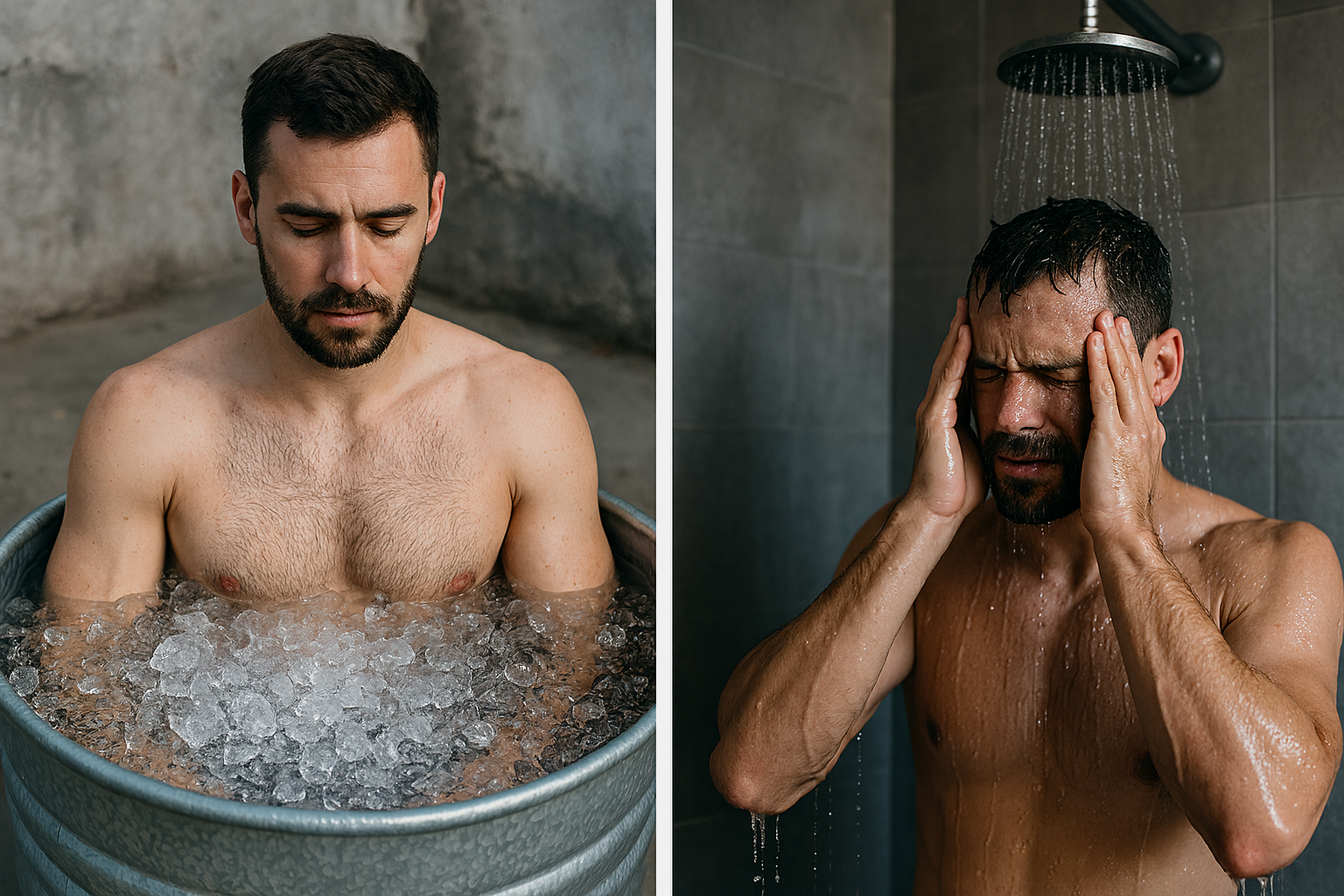
Ice Baths: The gold standard of cold therapy. Involves submerging your body in water temperatures between 50-59°F (10-15°C) for 10-20 minutes. Professional athletes swear by this method for recovery.
Cold Showers: The most accessible form of cold therapy. Simply turn your shower to the coldest setting and endure for 2-5 minutes. Perfect for beginners and daily practice.
Cold Plunge Pools: Specialized tubs or natural bodies of water maintained at therapeutic cold temperatures. These offer the most controlled and consistent experience.
Cryotherapy Chambers: High-tech chambers that expose you to extremely cold air temperatures (-200°F to -300°F) for 2-4 minutes. Popular in spas and recovery centers, though expensive.
Open Water Swimming: Swimming in naturally cold lakes, rivers, or oceans. This combines the benefits of cold exposure with the added challenge of movement and outdoor environment.
Why Cold Exposure Therapy Works: The Physiological Magic ✨
When you expose your body to cold temperatures, several fascinating things happen simultaneously:
The Cold Shock Response: Your body immediately recognizes the temperature drop as a stressor and activates its fight-or-flight response. This triggers the release of norepinephrine, a powerful neurotransmitter that acts as both a hormone and neurotransmitter.
Vasoconstriction and Vasodilation: Blood vessels initially constrict to preserve core body temperature, then dilate when you warm up. This process improves circulation and can help reduce inflammation.
Brown Adipose Tissue Activation: Your body starts burning brown fat (the good kind) to generate heat. This process, called thermogenesis, can boost your metabolism for hours after exposure.
Hormonal Response: Cold exposure triggers the release of endorphins, dopamine, and other feel-good chemicals while potentially reducing cortisol levels over time.
Recent research from Stanford University shows that cold exposure therapy can increase dopamine levels by up to 250% – that’s more than cocaine or amphetamines, but completely natural and healthy! This explains why many people report feeling euphoric after cold therapy sessions.
The Incredible Health Benefits of Cold Exposure Therapy 🏆
The science behind cold therapy is compelling, with new research constantly emerging. Here are the most well-documented benefits:
1. Powerful Anti-Inflammatory Effects 🎯
One of the most significant benefits of cold exposure therapy is its ability to reduce inflammation throughout your body. A 2016 study published in the Journal of Clinical Investigation found that people who practiced the Wim Hof Method (which includes cold exposure) showed a 50% reduction in inflammatory markers when exposed to bacterial toxins.
This anti-inflammatory effect can help with:
- Muscle soreness and recovery after exercise
- Chronic pain conditions like arthritis
- Autoimmune disorders
- General systemic inflammation
2. Enhanced Immune System Function 💪
Regular cold exposure appears to strengthen your immune system in remarkable ways. A fascinating Dutch study tracked employees who took cold showers versus those who didn’t. The cold shower group had 29% fewer sick days over a 90-day period!
The immune benefits include:
- Increased white blood cell production
- Higher levels of infection-fighting leukocytes
- Improved resistance to common illnesses
- Faster recovery from infections
3. Metabolic Boost and Fat Burning 🔥
Cold exposure therapy can significantly impact your metabolism through several mechanisms:
Brown Fat Activation: Unlike regular white fat that stores energy, brown fat burns calories to generate heat. Cold exposure activates and potentially increases brown fat deposits, leading to higher calorie burn even at rest.
Increased Metabolic Rate: Studies show that cold exposure can increase your metabolic rate by 15-20% for several hours post-exposure. This means you’re burning more calories throughout the day.
Improved Insulin Sensitivity: Regular cold exposure has been linked to better glucose metabolism and improved insulin sensitivity, which can help with weight management and diabetes prevention.
4. Mental Health and Mood Enhancement 🧠
The mental health benefits of cold therapy are perhaps the most immediately noticeable:
Dopamine Release: Cold exposure triggers massive dopamine release – the same neurotransmitter associated with pleasure, motivation, and reward. This creates a natural “high” that can last for hours.
Stress Resilience: Regular cold exposure literally trains your nervous system to handle stress better. This concept, called hormesis, means that controlled stress (like cold) makes you more resilient to other stressors.
Depression and Anxiety Relief: Some studies suggest that cold therapy may help with depression symptoms, possibly due to the neurochemical changes it triggers.
Improved Focus and Mental Clarity: The shock of cold water forces you to focus intensely on breathing and staying calm, which can translate to better focus in other areas of life.
5. Cardiovascular Health Benefits ❤️
Cold exposure provides excellent cardiovascular training:
- Improves circulation and blood flow
- Strengthens the cardiovascular system
- May help reduce blood pressure over time
- Enhances heart rate variability (a marker of good heart health)
6. Enhanced Recovery and Performance 🏃♂️
Athletes have used cold therapy for decades because it:
- Reduces muscle soreness (DOMS) after intense workouts
- Decreases inflammation in muscles and joints
- Speeds up recovery between training sessions
- May improve power and performance metrics
7. Better Sleep Quality 😴
Many practitioners report significantly improved sleep after incorporating cold therapy. This may be due to:
- The calming effect on the nervous system post-exposure
- Regulation of circadian rhythms
- Reduction in core body temperature (which promotes sleep)
- Decreased stress and anxiety levels
Ice Baths vs Cold Showers: Which Cold Exposure Method Is Right for You? 🛁
Both ice baths and cold showers offer significant benefits, but they differ in intensity, convenience, and specific effects. Let’s break down each method:
Ice Baths: The Ultimate Cold Exposure Experience
Temperature Range: 50-59°F (10-15°C) for beginners, down to 39°F (4°C) for experienced practitioners
Duration: 10-20 minutes for maximum benefits
Cost: $1,000-$20,000+ for quality home setups
Ice Bath Pros: ✅ More Intense Benefits: Full-body submersion provides more comprehensive physiological effects
✅ Better Temperature Control: Precise temperature management for optimal results
✅ Longer Exposure Time: Can stay in longer than shower for deeper adaptation
✅ Enhanced Recovery: Superior for post-workout muscle recovery
✅ Meditation Opportunity: The extended time allows for mindfulness practice
Ice Bath Cons: ❌ High Initial Cost: Quality cold plunge tubs are expensive
❌ Space Requirements: Need dedicated space for installation
❌ Maintenance: Requires cleaning, filtration, and sometimes chemicals
❌ Setup Time: Takes planning and preparation
❌ Not Portable: Can’t take it with you when traveling
Cold Showers: The Accessible Daily Practice
Temperature Range: As cold as your water heater allows (usually 50-60°F/10-15°C)
Duration: 2-5 minutes typically
Cost: Practically free
Cold Shower Pros: ✅ Zero Cost: Uses existing infrastructure
✅ Daily Accessibility: Easy to incorporate into existing routine
✅ No Maintenance: No equipment to clean or maintain
✅ Perfect for Beginners: Less intimidating way to start
✅ Quick and Convenient: Can be done in 2-5 minutes
✅ Travel Friendly: Available wherever there’s a shower
Cold Shower Cons: ❌ Limited Control: Can’t precisely adjust temperature
❌ Shorter Duration: Most people can’t stay under long enough for maximum benefits
❌ Less Immersion: Only partial body exposure at any given moment
❌ Water Pressure Variables: Inconsistent experience depending on location
The Verdict: Why Not Both? 🤷♂️
The truth is, you don’t have to choose! Many practitioners start with cold showers to build tolerance and habit, then graduate to ice baths for deeper sessions. Cold showers are perfect for daily maintenance, while ice baths can be used for intensive recovery sessions or weekly deeper practices.
Recommended Approach:
- Beginners: Start with 30-second cold shower finishers
- Intermediate: Work up to 3-5 minute cold showers daily
- Advanced: Add weekly ice bath sessions for intensive benefits
- Athletes: Use ice baths for post-workout recovery, cold showers for daily maintenance
Getting Started: Your Step-by-Step Cold Exposure Therapy Guide 🚀
Ready to begin your cold therapy journey? Here’s exactly how to start safely and build up your tolerance:
Phase 1: Preparation and Mindset (Week 1-2) 🧠
Before you ever touch cold water, prepare mentally:
Breathing Practice: Learn the Wim Hof breathing technique or similar methods. This will be crucial for managing the initial shock.
- Take 30 deep breaths (in through nose, out through mouth)
- Hold breath after the last exhale for as long as comfortable
- Take a recovery breath and hold for 10 seconds
- Repeat 3-4 rounds
Meditation: Develop a basic meditation practice to improve your ability to stay calm under stress.
Set Intentions: Clearly define why you’re doing this. Write down your goals and expected benefits.
Phase 2: Cold Shower Initiation (Week 3-4) 🚿
Start with the most accessible method:
Week 3 Protocol:
- End your normal warm shower with 30 seconds of cold water
- Focus on controlled breathing throughout
- Start with water as cold as you can handle
- Do this daily for 7 days
Week 4 Protocol:
- Increase to 1-2 minutes of cold exposure
- Try starting with cold water instead of ending with it
- Focus on relaxing your muscles instead of tensing up
- Continue daily practice
Phase 3: Building Tolerance (Week 5-8) ❄️
Progressive Exposure:
- Week 5: 2-3 minutes cold shower
- Week 6: 3-4 minutes cold shower
- Week 7: 4-5 minutes cold shower
- Week 8: 5+ minutes or consider ice bath introduction
Advanced Techniques:
- Try contrast showers (hot-cold-hot-cold)
- Practice specific breathing patterns during exposure
- Work on mental techniques like visualization
- Track your progress and how you feel
Phase 4: Ice Bath Integration (Week 9+) 🧊
If you decide to invest in an ice bath setup:
First Ice Bath Protocol:
- Start with water around 59°F (15°C)
- Stay in for only 2-3 minutes initially
- Have towels and warm clothes ready
- Never go alone – have someone nearby
- Focus intensely on breathing
Building Ice Bath Tolerance:
- Gradually decrease temperature by 2-3°F each week
- Slowly increase duration by 1-2 minutes weekly
- Never rush the progression
- Listen to your body always
Essential Safety Guidelines ⚠️
Before You Start:
- Consult your doctor, especially if you have heart conditions, high blood pressure, or other health issues
- Never do cold exposure alone, especially ice baths
- Start gradually – rushing leads to negative experiences and potential danger
- Learn proper breathing techniques first
During Cold Exposure:
- Focus on controlled, steady breathing
- Don’t fight the cold – relax into it
- Exit immediately if you feel dizzy, nauseous, or unwell
- Time your sessions – don’t exceed recommended durations
After Cold Exposure:
- Warm up gradually – avoid hot showers immediately after
- Move your body gently to stimulate circulation
- Stay hydrated
- Note how you feel for the next few hours
The Science Behind Cold Therapy: Latest Research and Findings 🔬
The scientific community has been increasingly interested in cold therapy, leading to fascinating discoveries:
Neuroplasticity and Brain Changes 🧠
Recent neuroimaging studies show that regular cold exposure can actually change brain structure and function:
Increased Gray Matter: MRI studies reveal increased gray matter density in regions associated with attention and sensory processing.
Enhanced Stress Response: fMRI scans show that experienced cold therapy practitioners have different brain activation patterns when exposed to stress, suggesting improved stress resilience.
Neurochemical Changes: Cold exposure increases production of norepinephrine, which acts as both a neurotransmitter and hormone, improving focus and alertness.
The Wim Hof Method: Groundbreaking Research 🏔️
Wim Hof, known as “The Iceman,” has been the subject of numerous scientific studies. Key findings include:
Immune System Control: In a 2014 study, people trained in the Wim Hof Method showed they could consciously influence their innate immune response – something previously thought impossible.
Pain Tolerance: Studies show that cold therapy practitioners have significantly higher pain tolerance and different pain processing in the brain.
Inflammation Reduction: Multiple studies demonstrate that the method can reduce inflammatory markers by up to 50%.
However, it’s important to note that a 2024 systematic review found that while promising, many Wim Hof Method studies had small sample sizes and methodological limitations. More large-scale research is needed.
Hormonal Changes and Adaptation 📊
Cold exposure triggers several important hormonal changes:
Dopamine: Increases by up to 250% and stays elevated for hours Norepinephrine: Rises dramatically during exposure, improving focus and alertness
Growth Hormone: Some studies suggest increases in growth hormone Cortisol: May help regulate cortisol patterns over time Thyroid Hormones: Cold exposure can stimulate thyroid function
Latest 2024 Research Findings 📈
Stanford Study on Metabolism: Found that regular cold exposure can increase brown adipose tissue by up to 30% in just 6 weeks.
Mayo Clinic Recovery Research: Showed that ice baths can reduce exercise-induced muscle damage by 20% and speed recovery by 1-2 days.
Harvard Mental Health Study: Demonstrated that cold shower therapy can be as effective as some medications for mild depression symptoms.
UCLA Immune Function Research: Found that people who practice cold therapy have 40% higher levels of virus-fighting natural killer cells.
Equipment and Setup: Building Your Home Cold Therapy System 🏠
Whether you choose ice baths or cold showers, having the right setup makes all the difference:
Cold Shower Optimization 🚿
Basic Setup (Free):
- Use your existing shower
- Install a shower thermometer to track temperature
- Add non-slip mats for safety
- Keep towels and warm clothes nearby
Advanced Shower Setup ($100-500):
- Install a thermostatic shower valve for better temperature control
- Add a shower timer for precise exposure tracking
- Consider a shower filter to improve water quality
- Install grab bars for safety
Ice Bath Equipment Options 🛁
Budget DIY Setup ($50-200):
- Large stock tank or rubbermaid container
- Ice from grocery store (ongoing cost)
- Basic thermometer
- Simple timer
Mid-Range Home Setup ($500-2,000):
- Dedicated cold plunge tub (like The Cold Pod)
- Basic filtration system
- Insulated cover
- Digital thermometer
Premium Home Setup ($3,000-10,000):
- Professional cold plunge tub with chiller
- Automated filtration and sanitation
- Precise temperature control
- Mobile app connectivity
- LED lighting and aesthetic features
Luxury/Commercial Grade ($10,000-25,000+):
- High-end models like The Plunge All-In or Sun Home Cold Plunge Pro
- Advanced chillers that can create actual ice
- Self-cleaning systems
- Multi-user capabilities
- Professional-grade insulation
Top Cold Plunge Tub Recommendations 2024 🏆
Best Overall: The Plunge ($4,990+) – Reliable, well-insulated, great customer service
Best Value: Ice Pod ($999) – Portable, durable, excellent for beginners
Best Premium: Sun Home Cold Plunge Pro ($8,000+) – Can create real ice, luxury features
Best DIY: Rubbermaid Stock Tank ($150) + Ice – Most affordable option
Best Portable: The Cold Pod ($1,299) – Foldable, travel-friendly, military-grade materials
Essential Accessories 🛠️
- Digital thermometer – Accurate temperature monitoring ($20-50)
- Timer or stopwatch – Track exposure duration ($10-30)
- Non-slip mat – Safety in wet conditions ($15-40)
- Quality towels – Quick-dry, absorbent materials ($30-100)
- Warm clothes – Immediate post-exposure comfort
- Water testing kit – For ice bath water quality ($25-50)
- Bluetooth speaker – Music or guided meditations ($50-200)
Advanced Techniques and Protocols 🎯
Once you’ve mastered the basics, these advanced techniques can enhance your cold therapy practice:
The Wim Hof Method Integration 🏔️
Combine breathing techniques with cold exposure:
Pre-Exposure Breathing:
- 30 deep breaths to oxygenate your blood
- Breath retention to build CO2 tolerance
- Activate your sympathetic nervous system
During Exposure:
- Focus on slow, controlled breathing
- Use breathing to manage the initial shock
- Stay present and mindful
Contrast Therapy Protocols 🔥❄️
Alternate between hot and cold for enhanced benefits:
Sauna + Ice Bath:
- 15-20 minutes in 175-195°F sauna
- 2-5 minutes in 50°F ice bath
- Repeat 3-5 cycles
- End with cold exposure
Hot Shower + Cold Shower:
- 3 minutes hot water
- 1 minute cold water
- Repeat 3-4 times
- Always end with cold
Progressive Overload for Cold Therapy 📈
Like physical training, you can progressively challenge yourself:
Temperature Progression:
- Week 1-2: 59°F (15°C)
- Week 3-4: 55°F (13°C)
- Week 5-6: 52°F (11°C)
- Week 7-8: 50°F (10°C)
- Advanced: Below 50°F (10°C)
Duration Progression:
- Week 1-2: 2-3 minutes
- Week 3-4: 4-5 minutes
- Week 5-6: 6-8 minutes
- Week 7-8: 10+ minutes
- Advanced: 15-20 minutes
Specialized Protocols 🎯
Athletic Recovery Protocol:
- Post-workout ice bath: 50-55°F for 10-15 minutes
- Focus on submerging sore muscle groups
- Combine with compression garments if available
Mental Training Protocol:
- Use cold exposure as meditation practice
- Focus on acceptance rather than resistance
- Practice gratitude during uncomfortable moments
Metabolic Enhancement Protocol:
- Morning cold exposure on empty stomach
- 5-10 minutes at 50°F or below
- Follow with light movement to stimulate circulation
Safety First: Risks, Contraindications, and When to Avoid Cold Therapy ⚠️
While cold exposure therapy is generally safe for healthy individuals, there are important risks and contraindications to understand:
Who Should NOT Do Cold Therapy 🚫
Absolute Contraindications:
- Severe heart disease or recent heart attack
- Uncontrolled high blood pressure
- Certain arrhythmias or heart rhythm disorders
- Severe peripheral vascular disease
- Raynaud’s disease or severe circulation problems
- Pregnancy (consult doctor first)
- Recent surgery or open wounds
- Active eating disorders
- Severe mental health conditions without medical supervision
Relative Contraindications (Consult Your Doctor):
- Diabetes with circulation problems
- Autoimmune conditions
- Blood clotting disorders
- Taking certain medications (beta-blockers, blood thinners)
- History of fainting or seizures
- Severe anxiety or panic disorders
Serious Risks and How to Avoid Them ☠️
Hypothermia: Can occur with prolonged exposure or very cold temperatures
- Prevention: Limit exposure time, monitor temperature, exit if shivering becomes uncontrollable
- Warning Signs: Confusion, slurred speech, loss of coordination, blue lips/skin
Cardiac Events: Cold shock can stress the cardiovascular system
- Prevention: Start gradually, consult doctor with heart conditions, never shock your system
- Warning Signs: Chest pain, irregular heartbeat, extreme shortness of breath
Drowning Risk: Loss of consciousness in water is extremely dangerous
- Prevention: Never do ice baths alone, avoid breath-holding in water, stay alert
- Critical: This is why multiple deaths have been associated with improper cold water practices
Cold Urticaria: Allergic reaction to cold exposure causing hives
- Prevention: Start with mild cold exposure, watch for skin reactions
- Warning Signs: Welts, severe itching, swelling, difficulty breathing
Essential Safety Protocols 🛡️
Pre-Session Safety:
- Get medical clearance if you have any health conditions
- Never practice alone, especially ice baths
- Check equipment and temperature before entering
- Have warm clothes and towels readily available
- Inform someone of your plan
During Session Safety:
- Focus on controlled breathing
- Exit immediately if you feel dizzy, confused, or unwell
- Don’t fight the cold – relax and breathe
- Keep sessions within recommended time limits
- Stay aware of your body’s signals
Post-Session Safety:
- Warm up gradually – no immediate hot showers
- Move gently to stimulate circulation
- Monitor how you feel for several hours
- Stay hydrated and nourished
Red Flags – Exit Immediately:
- Uncontrollable shivering
- Blue lips or fingernails
- Confusion or disorientation
- Chest pain or breathing difficulties
- Severe cramping or muscle spasms
- Feeling faint or dizzy
Emergency Procedures 🚨
If Someone Shows Signs of Hypothermia:
- Remove them from cold immediately
- Handle gently to avoid cardiac events
- Cover with blankets, focus on core warming
- Give warm (not hot) drinks if conscious
- Call emergency services if severe
- Monitor breathing and pulse
If Someone Loses Consciousness:
- Remove from water/cold immediately
- Call emergency services
- Check breathing and pulse
- Begin CPR if necessary
- Keep airway clear
- Continue warming efforts
Remember: 32 deaths have been allegedly linked to improper cold water practices. Most were due to loss of consciousness leading to drowning, not the cold itself. This is why supervision and proper protocols are absolutely critical.
Frequently Asked Questions About Cold Exposure Therapy 🤔
How Long Should I Do Cold Exposure?
Beginners: Start with 30 seconds to 2 minutes
Intermediate: 3-5 minutes for cold showers, 5-10 minutes for ice baths
Advanced: 5-10 minutes for showers, 10-20 minutes for ice baths
Maximum: Most benefits are achieved within 10-15 minutes; longer isn’t necessarily better
What Temperature Is Best?
Cold Showers: 50-60°F (10-15°C) – as cold as your water gets
Ice Baths: 50-59°F (10-15°C) for beginners, 39-50°F (4-10°C) for experienced
Rule of Thumb: Cold enough to be uncomfortable but not dangerous
How Often Should I Do Cold Therapy?
Daily: Cold showers can be done daily and are safe for most people
Ice Baths: 2-4 times per week is typically sufficient
Recovery: Use ice baths after intense workouts
Maintenance: Cold showers for daily wellness benefits
What Should I Wear During Cold Therapy?
Ice Baths: Swimsuit or shorts (minimal clothing for maximum skin contact)
Cold Showers: Whatever you’re comfortable with
Safety Gear: Non-slip footwear if standing on slippery surfaces
After: Have warm, dry clothes immediately available
Can I Do Cold Therapy While Sick?
Generally No: Avoid cold therapy when fighting infections
Immune System: Your body needs energy to fight illness, not adapt to cold stress
Recovery: Wait until you’re fully recovered before resuming
Prevention: Regular cold therapy may help prevent illness, but stop when sick
Does Cold Therapy Help With Weight Loss?
Brown Fat Activation: Cold exposure activates calorie-burning brown fat
Metabolic Boost: Can increase metabolism by 15-20% for several hours
Not a Magic Bullet: Should be combined with proper diet and exercise
Realistic Expectations: It’s a supplementary tool, not a primary weight loss method
Is Cold Therapy Good for Mental Health?
Dopamine Boost: Massive increase in feel-good neurotransmitters
Stress Resilience: Builds mental toughness and stress tolerance
Depression: Some studies suggest benefits for mild depression
Anxiety: Can help with anxiety through stress adaptation, but start carefully
Can Children Do Cold Therapy?
Generally Safe: Healthy children can do brief cold showers
Supervision: Always supervise children during cold exposure
Shorter Duration: Much shorter exposure times than adults
Medical Approval: Consult pediatrician first
Ice Baths: Generally not recommended for young children
What’s the Difference Between Cold Therapy and Cryotherapy?
Cold Therapy/CWI: Uses water at 39-60°F (4-15°C)
Whole Body Cryotherapy: Uses extremely cold air at -200°F to -300°F (-129°C to -184°C)
Duration: CWI is longer (2-20 minutes), cryotherapy is shorter (2-4 minutes)
Cost: CWI is much more affordable and accessible
Effectiveness: Both have benefits, but CWI has more research support
How Do I Know If It’s Working?
Immediate Signs: Increased alertness, mood boost, feeling energized
Short-term: Better sleep, improved recovery, less soreness
Long-term: Increased cold tolerance, better stress management, improved health markers
Track Progress: Keep a journal of sessions and how you feel
The Future of Cold Exposure Therapy: Trends and Innovations 🚀
The cold therapy industry is evolving rapidly with exciting developments:
Technological Advances 💻
Smart Cold Plunge Tubs: App-controlled temperature, automated cleaning, usage tracking
AI Integration: Personalized protocols based on your response and goals
Biometric Monitoring: Heart rate variability, temperature sensors, stress indicators
VR Integration: Immersive experiences during cold exposure for distraction/meditation
Research Developments 🔬
Precision Medicine: Personalized cold therapy protocols based on genetics
Microbiome Studies: How cold exposure affects gut bacteria and overall health
Longevity Research: Cold therapy’s potential role in healthy aging
Mental Health Applications: Clinical trials for depression, ADHD, and anxiety treatment
Market Growth and Accessibility 📈
The global cryotherapy market is expected to reach $4.7 billion by 2027, driven by:
- Increased awareness of benefits
- More affordable home equipment
- Celebrity and athlete endorsements
- Social media influence
- Growing wellness industry
Accessibility Improvements:
- Portable ice bath solutions under $500
- Community cold therapy centers
- Gym and spa integration
- Mobile cold therapy services
Environmental Considerations 🌱
Sustainable Cooling: Development of eco-friendly cooling systems
Energy Efficiency: More efficient chillers and insulation
Natural Alternatives: Focus on outdoor cold water swimming
Waste Reduction: Reusable ice alternatives and better water treatment
Conclusion: Your Cold Therapy Journey Starts Today 🎯
Cold exposure therapy isn’t just another wellness trend – it’s a scientifically-backed practice with genuine, measurable benefits for both physical and mental health. From reducing inflammation and boosting immune function to enhancing mood and building mental resilience, the evidence is clear: controlled cold exposure can be a powerful tool for optimizing human health and performance.
Whether you start with 30-second cold shower finishers or invest in a full home ice bath setup, the key is to begin slowly, stay consistent, and prioritize safety above all else. Remember, the goal isn’t to prove how tough you are – it’s to systematically train your body and mind to become more resilient, healthier, and happier.
The most beautiful thing about cold therapy is that it’s accessible to almost everyone. You don’t need expensive equipment, special facilities, or years of training to start experiencing benefits. Your shower is already equipped with everything you need to begin this transformative practice.
As you embark on your cold therapy journey, keep in mind that adaptation takes time. The first few sessions will be challenging, but each exposure builds your tolerance and amplifies the benefits. Stay patient, trust the process, and listen to your body.
Most importantly, remember that cold exposure therapy is just one piece of the wellness puzzle. For optimal results, combine it with other healthy lifestyle practices like proper nutrition, regular exercise, adequate sleep, and stress management.
For more insights on optimizing your health and wellness journey, check out our comprehensive guides on anxiety relief techniques and home workout routines that complement your cold therapy practice perfectly.
Ready to take the plunge? Start with a 30-second cold shower tomorrow morning. Your future self will thank you for taking this first brave step into the world of cold exposure therapy. The ice is calling – will you answer? 🧊❄️💪
Remember: Always consult with healthcare providers before starting any new wellness practice, especially if you have underlying health conditions. Cold therapy is powerful, but it should be approached with respect, knowledge, and proper safety protocols.
The journey of a thousand ice baths begins with a single cold shower. Start today, stay consistent, and prepare to discover what your body and mind are truly capable of achieving. Welcome to the transformative world of cold exposure therapy! 🌟