
750+ Score in 6 Months (Step-by-Step Guide) 🚀💳
Last Updated: July 31, 2025 | Reading Time: 15 minutes
The Bottom Line: Getting to a 750+ credit score in 6 months isn’t just possible—it’s proven. Real people are doing it every day using strategic credit optimization techniques that most financial “experts” won’t tell you about. Whether you’re starting at 580 or 650, this step-by-step roadmap will show you exactly how to join the 750+ credit score club faster than you ever thought possible.
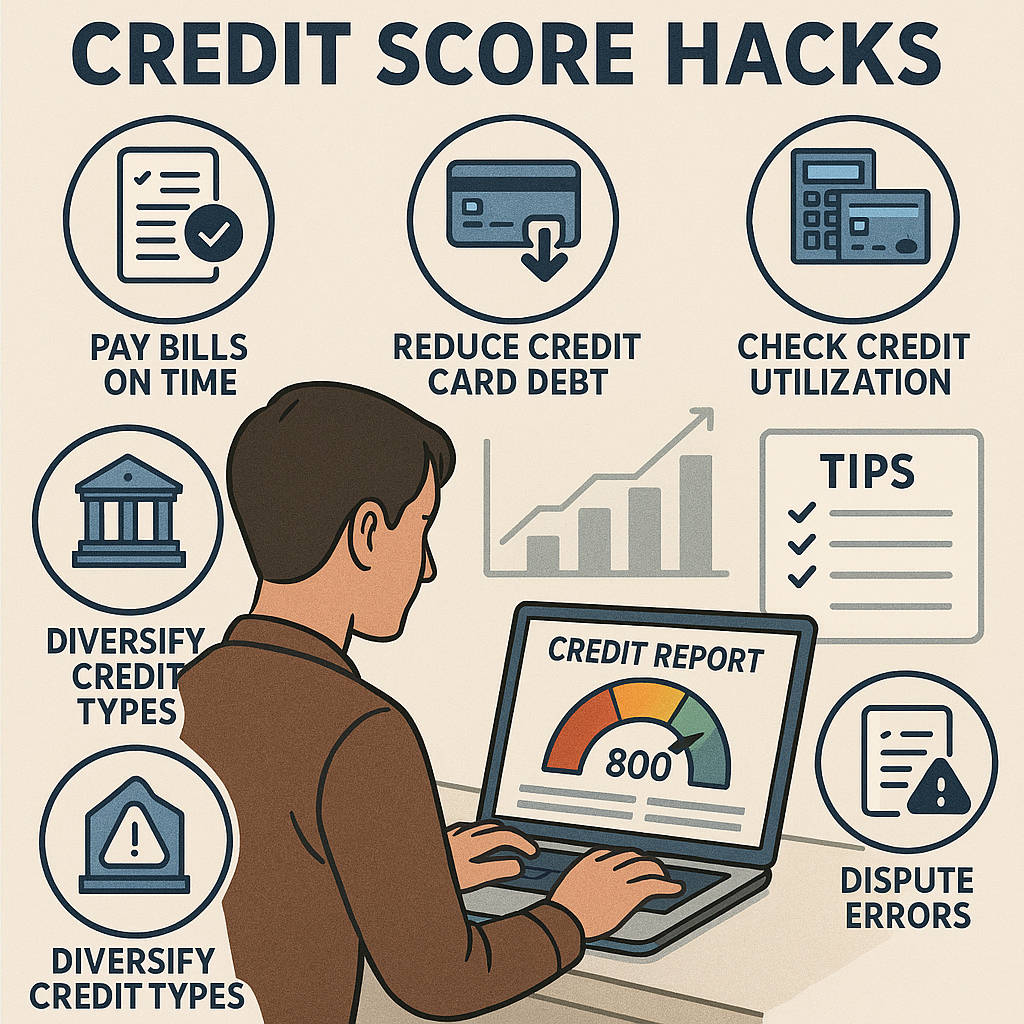
Your Credit Score Is Costing You $100,000+ (Here’s Why) 💰
Let’s get real for a second. Every day you’re stuck with a mediocre credit score, you’re literally bleeding money. With a 640 credit score, you’ll struggle to get approved for the best rates and terms, while someone with a 750+ score enjoys:
- Mortgage savings: $50,000+ less in interest over 30 years 🏠
- Auto loan perks: 2-4% lower APR saving $3,000+ per car 🚗
- Credit card rewards: Access to premium cards with 2x the benefits 💎
- Insurance discounts: Up to 20% lower premiums in most states 📊
- Employment opportunities: Many employers check credit scores 💼
But here’s what nobody tells you: You should start to see your credit score improving in three to six months when you follow the right strategies. Not years. Months.
Month 1: Foundation Building (The 60-Point Jump Strategy) 📈
Week 1: The Credit Audit That Changes Everything
Your first move isn’t paying off debt or opening new accounts. It’s becoming a credit detective.
Get Your Free Credit Reports (Takes 10 minutes)
- Visit AnnualCreditReport.com for all three bureaus
- Use Experian’s free credit monitoring that provides updates to your Experian credit report and FICO® Score every 30 days
- Download Credit Karma for weekly TransUnion and Equifax updates
Look for These Score-Killing Errors:
- Accounts you didn’t open 🚨
- Wrong payment dates or amounts
- Incorrect credit limits or balances
- Old addresses or personal info
- Paid collections still showing as unpaid
Pro Tip: One person found an old unpaid credit card bill that was actually a bank error. He raised a dispute, got it corrected, and his score increased by 40 points.
Week 2: The Utilization Ratio Hack That Works Instantly
Your credit utilization ratio accounts for 30 percent of your FICO score, making it the fastest way to see dramatic improvements.
The 1% Rule (Most People Get This Wrong) Everyone says keep utilization under 30%, but here’s the insider secret: Data has shown that 1% credit utilization predicts slightly less risk than 0%, and scoring models reflect that.
Strategic Payment Timing: Instead of paying on the due date, make a payment before that date could drop your utilization ratio enough to keep it at a satisfactory level. Here’s how:
- Find your statement closing date (call your card company)
- Pay down balances 3-5 days before that date
- Leave a small balance (1-9% of your limit)
- Pay the remaining balance after the statement closes
Real Results: Marcus T. from Detroit saw his score jump 92 points in four months using strategic credit management.
Week 3-4: The Experian Boost Power Move
Average users boosted their FICO® Score 8 based on Experian data by 13 points with this free, instant technique.
What Bills Qualify for Boost:
- Phone and internet bills 📱
- Utility payments (gas, electric, water) ⚡
- Streaming services (Netflix, Hulu, Disney+) 📺
- Rent payments (if paid electronically) 🏠
- Insurance premiums (auto, home, life) 🛡️
Experian Boost only considers positive payment history on these accounts, so late payments will not lower your credit scores. It’s literally risk-free!
How to Set It Up (5 minutes):
- Go to Experian.com/boost
- Connect your bank account (256-bit encryption protects your data)
- Verify qualifying payments from the past 24 months
- See your score increase instantly
For more insights on managing your digital life, check out our 30-Day Digital Detox Challenge to reduce screen time while you focus on improving your credit score.
Month 2: Strategic Credit Building (The Authority Move) 🏗️
The Authorized User Hack That Banks Don’t Want You to Know
Becoming an authorized user can help build or restore credit, as long as you and any other user continue to make on-time payments, the credit utilization ratio remains low and the account has been open for a while.
How to Find the Perfect Authorized User Account:
- Look for someone with 750+ credit score
- Account should be 2+ years old
- Never more than 10% utilization
- Perfect payment history
What Gets Reported to Your Credit:
- The account’s entire payment history
- Credit limit (increases your total available credit)
- Account age (boosts your credit history length)
Important: Make sure the account reports to all three credit bureaus, not just one.
The Credit Builder Loan Strategy (Advanced Technique)
Credit builder loans require you to make fixed payments upfront before accessing the loan, but here’s why they’re genius for credit building:
How It Works:
- Apply for a $500-$1,000 credit builder loan
- Money goes into a secured savings account
- Make monthly payments for 6-12 months
- Payments get reported to all three bureaus
- Get your money back at the end (minus interest)
Best Credit Builder Loan Providers:
- Self: 15-16% APR, reports to all three bureaus
- Chime: No credit check required
- Digital Federal Credit Union: 5% APR (lowest rates)
These loans are designed to help borrowers with bad credit or a thin credit profile.
Month 3-4: The Credit Mix Optimization (10% Score Factor) 🔄
Your credit mix still makes up 10% of your FICO Score. Having a diverse range of credit shows lenders you can manage different kinds of debt.
Types of Credit That Boost Your Score:
Revolving Credit (Credit Cards):
- Keep 2-4 credit cards active
- Maintain low balances across all cards
- Don’t close old accounts (hurts credit age)
Installment Loans:
- Auto loans
- Personal loans
- Student loans
- Mortgages
The Credit Limit Increase Strategy
If your financial situation has improved since opening your credit cards, it might be a good time to request a credit line increase.
When to Request Increases:
- After 6+ months of perfect payment history
- When your income has increased
- After your credit score has improved
- Not more than once every 6 months per card
How to Ask:
- Call the number on the back of your card
- Ask if they can do a “soft pull” increase
- Mention income increases or improved payment history
- Start with a modest request (25-50% increase)
Thinking about passive income while building credit? Our guide on Passive Income Apps That Actually Pay shows you tested methods to earn money during your credit rebuilding journey.
Month 5-6: Advanced Optimization (Breaking Into 750+) 🎯
The Payment Timing Algorithm
Credit card companies typically report to bureaus on your statement closing date, not your payment due date. To find out when your card issuer reports to the credit bureaus, check your statement for information that indicates a reporting date, which is likely around the end of your billing cycle.
The 2-Payment System:
- Before statement closes: Pay down to 1-9% utilization
- After statement reports: Pay remaining balance to avoid interest
The Emergency Credit Repair Protocol
If you discover negative items that are hurting your score:
For Collections:
- Never pay without a “pay for delete” agreement in writing
- Neither FICO 10T nor VantageScore 4 will penalize you for bills that had gone into collections but were paid off
For Late Payments:
- Write goodwill letters to creditors
- Explain circumstances that led to late payment
- Request removal as a “gesture of goodwill”
The Final Push: Rent Reporting Services
Rent-reporting services can add your on-time rent payments to your credit reports.
Best Rent Reporting Services:
- Rental Kharma: Reports to TransUnion and Equifax
- Boom Pay: Reports to all three bureaus
- RentReporters: Focuses on payment history depth
Learn about protecting your financial information while building credit in our comprehensive Best Password Managers Tested guide.
Real Success Stories: People Who Cracked the Code 🌟
Alicia D., Atlanta, GA: “I signed up after being denied for a home loan. Within 60 days, two collections and a charge-off were gone. I didn’t expect results so soon”
Jennifer K., San Diego, CA: “I used other credit services before, but they were expensive and slow. The Credit People actually delivered. Transparent, helpful, and affordable”
Success From Credit Captain: “I was stuck in the 600s for what felt like forever, but after a few months, I’m now in the 700 club!”
Month-by-Month Scorecard: Track Your Progress 📊
Month 1 Target: +20-40 points
- ✅ Dispute credit report errors
- ✅ Optimize utilization ratios
- ✅ Set up Experian Boost
- ✅ Automate all bill payments
Month 2 Target: +15-25 points
- ✅ Become authorized user
- ✅ Apply for credit builder loan
- ✅ Request credit limit increases
- ✅ Set up rent reporting
Month 3-4 Target: +10-20 points
- ✅ Optimize credit mix
- ✅ Fine-tune payment timing
- ✅ Monitor all three bureaus weekly
- ✅ Negotiate goodwill deletions
Month 5-6 Target: +10-15 points
- ✅ Maintain perfect payment history
- ✅ Keep utilization under 10%
- ✅ Let account age increase
- ✅ Apply advanced optimization techniques
Total Expected Increase: 55-100+ points 🎉
The Credit Score Factors That Matter Most (Weighted by Impact) ⚖️
Payment history is the most important factor in your credit score—accounting for 35% of your FICO® Score
- Payment History (35%) – Never miss a payment, ever
- Credit Utilization (30%) – Keep under 10% for best results
- Credit History Length (15%) – Don’t close old accounts
- Credit Mix (10%) – Have both revolving and installment credit
- New Credit (10%) – Limit hard inquiries to 1-2 per year
Common Mistakes That Tank Your Progress 🚫
The “Zero Balance” Trap
You want to be careful about having a utilization ratio of 0%. This is because it signifies that you’re not using your credit cards at all, giving FICO less information about how you manage your money.
The “Closing Cards” Disaster
Closing a credit card takes away its available credit, which could increase your overall credit utilization ratio.
The “Inquiry Shopping” Mistake
Every credit inquiry can cause a small dip in your score. Only apply for credit when you truly need it and try to space out applications.
Advanced Tools and Resources 🛠️
Free Credit Monitoring Setup:
- Experian: Free FICO 8 score + monitoring
- Credit Karma: Free VantageScore 3.0 from TransUnion/Equifax
- Chase Credit Journey: Free for everyone (not just Chase customers)
- Capital One CreditWise: Free VantageScore 3.0
Paid Tools Worth Considering:
- MyFICO: $39.95/month for all FICO score versions
- IdentityForce: $17.95/month comprehensive monitoring
- LifeLock: $9.99/month identity protection
For those interested in tech solutions, check out our Best Free AI Tools for Everyday Users to automate some of your credit monitoring tasks.
The 2025 Credit Score Game-Changers 🚀
New FICO Models Coming Soon
The new scoring models coming in 2025 from the Federal Housing Finance Agency (FHFA) will require lenders to use FICO 10T and VantageScore 4.0. These will use historical credit history covering a longer period and, importantly, will also factor in payments for rent, telecom, and utilities.
What This Means for You:
- Rent payments will count toward your mortgage application
- Utility payments get more weight in scoring
- Historical trends matter more than single-month snapshots
- More opportunities for people with thin credit files
Warning Signs Your Strategy Isn’t Working ⚠️
If after 90 days you haven’t seen at least a 20-point improvement, check for these issues:
- Disputes not processed – Follow up every 30 days
- Utilization still too high – Aim for under 10%, not 30%
- New negative items – Address immediately
- Wrong reporting dates – Verify when cards report to bureaus
- Identity theft – Run comprehensive credit monitoring
The Psychology of Credit Building (Why Most People Fail) 🧠
The path to better credit is like a weight-loss program; slow and steady wins the race. Most people fail because they:
- Expect overnight results
- Focus on quick fixes instead of fundamentals
- Don’t track their progress consistently
- Give up after minor setbacks
- Try to do everything at once
Success Mindset: Treat credit building like a strategic business project. Track metrics, celebrate small wins, and stay consistent with your processes.
Emergency Credit Situations: What to Do 🆘
Job Loss Impact on Credit:
- Contact creditors immediately
- Request hardship programs
- Prioritize secured debt payments
- Don’t ignore bills (communicate instead)
Medical Debt Strategy:
- Negotiate payment plans before collection
- Speak with your medical provider’s billing department to see if they offer financial assistance or if can put you on a payment plan
- Never ignore medical collections
Identity Theft Recovery:
- Place fraud alerts with all three bureaus
- File police report and FTC complaint
- Dispute fraudulent accounts immediately
- Consider credit freeze during investigation
Protect yourself from fraud with our guide on Cybersecurity in the Cloud.
Beyond 750: Maintaining Elite Credit Status 🏆
Once you hit 750+, your focus shifts to maintenance and optimization:
The 800+ Strategy:
- Keep oldest accounts active with small purchases
- Maintain utilization under 5% across all cards
- Space out credit applications by 6+ months
- Monitor for identity theft monthly
- Negotiate better terms on existing accounts
Elite Credit Benefits:
- Access to invitation-only credit cards
- Best mortgage and auto loan rates
- Higher credit limits and better terms
- Premium customer service treatment
- Lower insurance premiums
Your 6-Month Action Plan Checklist ✅
Month 1:
- [ ] Order all three credit reports
- [ ] Dispute any errors found
- [ ] Sign up for Experian Boost
- [ ] Set up automatic payments
- [ ] Calculate current credit utilization
- [ ] Optimize payment timing
Month 2:
- [ ] Become authorized user on 1-2 accounts
- [ ] Apply for credit builder loan
- [ ] Request credit limit increases
- [ ] Set up rent reporting service
- [ ] Create credit monitoring alerts
Month 3:
- [ ] Review credit mix and add installment loan if needed
- [ ] Send goodwill letters for any late payments
- [ ] Verify all accounts reporting correctly
- [ ] Check for pre-qualified offers
Month 4:
- [ ] Continue perfect payment history
- [ ] Monitor utilization ratios weekly
- [ ] Review progress and adjust strategy
- [ ] Research new credit opportunities
Month 5:
- [ ] Fine-tune payment timing for optimal reporting
- [ ] Consider additional authorized user positions
- [ ] Prepare for any major purchases needing credit
- [ ] Verify all monitoring services working
Month 6:
- [ ] Celebrate reaching 750+ credit score! 🎉
- [ ] Plan for maintaining elite status
- [ ] Review and update financial goals
- [ ] Help family/friends with their credit journey
The Truth About Credit Repair Companies 💸
Before you spend hundreds or thousands on credit repair services, know this: There’s no need to pay some company hundreds of dollars or more to “repair” your credit. You have all the tools you need to raise your FICO number.
What Credit Repair Companies Can Do:
- Dispute errors on your behalf
- Write goodwill letters
- Track progress and deadlines
What You Can Do For Free:
- Everything they do, but better (because you care more)
- Use free dispute tools from credit bureaus
- Communicate directly with creditors
- Save $500-$3,000 in unnecessary fees
Technology and Credit Building in 2025 📱
AI-Powered Credit Tools:
Our proprietary AI-powered credit score growth engine — developed over years of research — is designed to help identify and dispute negative items that may be impacting your score
Must-Have Apps:
- Experian: Free credit monitoring and Boost
- Credit Karma: Weekly score updates and personalized tips
- Mint: Track spending and payment due dates
- YNAB: Budget management for better payment habits
Explore more productivity tools in our Best Free AI Tools for Everyday Users guide.
International Credit Building (For Immigrants) 🌍
Building credit as a newcomer to the US requires special strategies:
Getting Started With No US History:
- Open secured credit card with deposit
- Become authorized user on trusted person’s account
- Apply for credit builder loan at credit union
- Use ITIN if you don’t have SSN yet
- Report rent and utility payments immediately
Best Cards for Building US Credit:
- Capital One Platinum Secured
- Discover it Secured
- Deserve EDU Mastercard (for students)
Real Estate and Credit: The Million-Dollar Connection 🏠
Your credit score directly impacts your homebuying power:
Credit Score vs. Mortgage Rates (2025):
- 760+: Best available rates
- 740-759: Excellent rates
- 700-739: Good rates
- 680-699: Above-average rates
- 640-679: Higher rates, possible approval
- Below 640: FHA loans only, highest rates
The $50,000 Difference:
On a $300,000 mortgage, the difference between a 640 and 760 credit score can save you over $50,000 in interest over 30 years.
Small Business and Credit Building 💼
Using Business Credit to Boost Personal Scores:
- Get business credit card that reports to personal bureaus
- Use business loans to improve credit mix
- Keep business utilization low
- Pay business accounts on time religiously
Best Business Cards for Credit Building:
- Chase Ink Business Cash (reports to personal credit)
- Capital One Spark Classic (good for new businesses)
- Bank of America Business Advantage (flexible approval)
Check out our guide on 15 Highest Paying Remote Tech Jobs to boost your income while building credit.
The Final Word: Your Credit Score Journey Starts Now 🌟
As you repair your credit history, don’t beat yourself up for past mistakes. Follow these strategies, and you should start to see your credit score improving in three to six months.
The difference between people who achieve 750+ credit scores and those who don’t isn’t intelligence, luck, or income. It’s following a proven system consistently and not giving up when progress seems slow.
Every month you delay starting this process costs you money. Every day you stick with it brings you closer to financial freedom.
Your 750+ credit score is waiting. The only question is: when will you claim it?
Start today. Your future self will thank you. 💪
Ready to take control of your financial future? Bookmark this guide and start with Month 1 actions today. Share your progress in the comments below and inspire others on their credit journey!
Related Resources:
- How to Use ChatGPT for Work – Automate financial tracking
- Best Password Managers Tested – Protect your financial accounts
- Android vs iPhone – Choose the best device for credit monitoring apps