
What Exactly Are Smart Rings? 🤔
Picture this: you’re checking your heart rate, tracking your sleep, and getting notifications from your phone – all from a tiny device wrapped around your finger. Welcome to the world of smart rings! 🌟
These miniature marvels are taking the wearable tech world by storm, and honestly, it’s about time. While smartwatches have been hogging the spotlight for years, smart rings are quietly revolutionizing how we think about health tracking and staying connected.
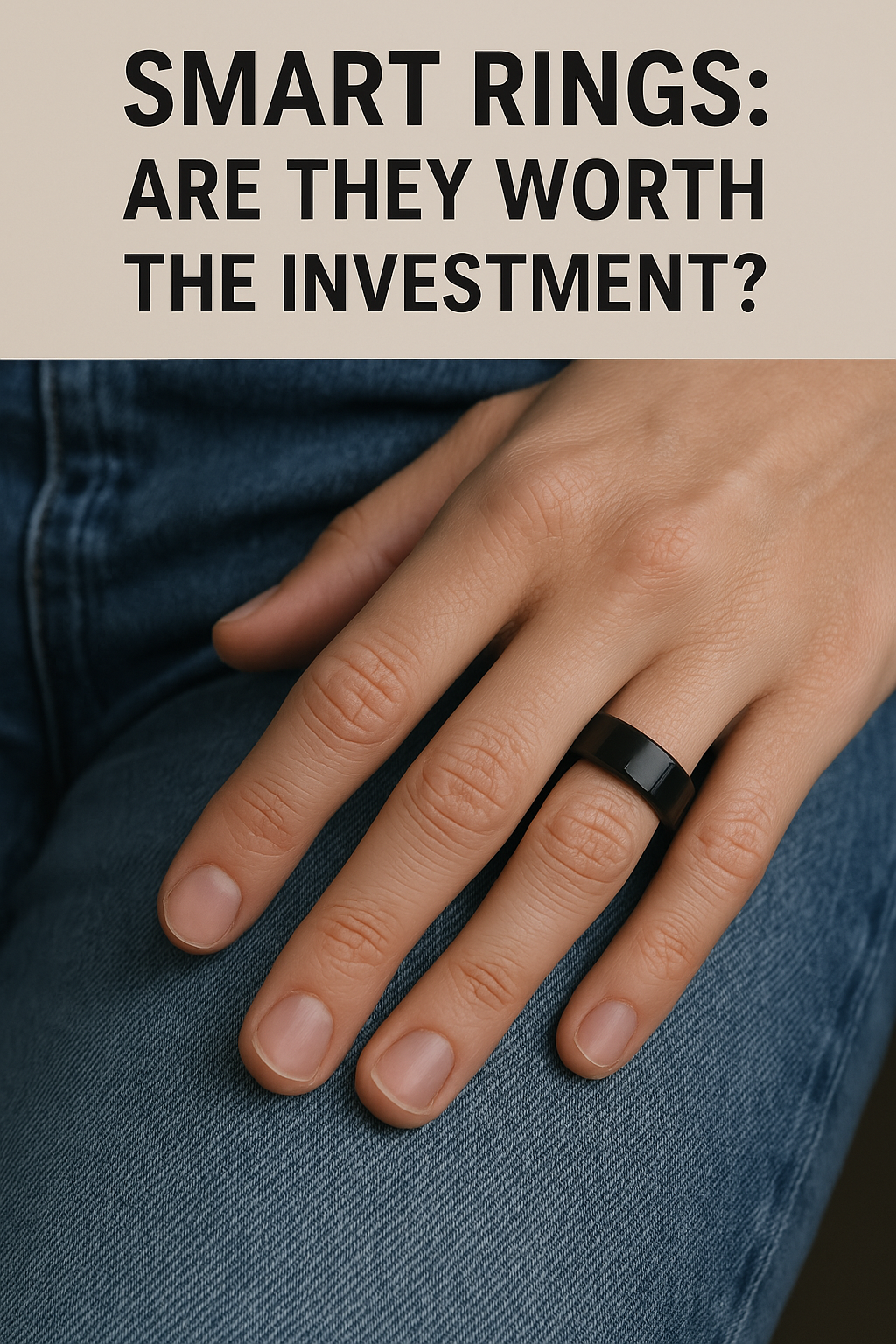
Smart rings are basically tiny computers that you wear on your finger. Think of them as your smartwatch’s sleek, sophisticated cousin who went to design school and came back with impeccable taste. These devices pack an incredible amount of technology into something smaller than a typical wedding band.
Most smart rings focus on health and fitness tracking, though some newer models are branching out into payment processing, smart home control, and even gesture recognition. The beauty lies in their simplicity – you put them on and forget they’re there, while they continuously monitor your vital signs and daily activities.
The Real Benefits That Actually Matter 📊
Let’s cut through the marketing fluff and talk about what smart rings actually deliver:
Sleep Tracking That Actually Works 😴 Unlike smartwatches that can feel bulky and uncomfortable at night, smart rings are practically invisible when you’re sleeping. They track your sleep stages, monitor your heart rate variability, and even measure your body temperature throughout the night. The data you get is incredibly detailed, showing you exactly when you entered deep sleep, how many times you woke up, and what your recovery looks like.
24/7 Heart Rate Monitoring ❤️ Your smart ring keeps tabs on your heart rate around the clock without being obvious about it. No bright screens, no chunky devices – just continuous monitoring that helps you understand your cardiovascular health patterns over time.
Activity Tracking Without the Bulk 🏃♀️ Sure, your smartphone can count steps, but it’s not always with you. Smart rings track your daily movement, calories burned, and even detect different types of workouts automatically. The best part? You can wear them while lifting weights, swimming, or doing yoga without worrying about bulk or damage.
Stress and Recovery Insights 🧘♂️ Advanced smart rings measure heart rate variability (HRV) to give you insights into your stress levels and recovery status. This isn’t just fancy tech talk – it actually helps you understand when your body needs rest and when you’re ready to push harder.
Popular Smart Ring Brands and What They Offer 💎
Oura Ring – The Pioneer The Oura Ring is basically the iPhone of smart rings. It’s been around the longest and has the most refined software experience. The third-generation Oura Ring tracks sleep, activity, and readiness with incredible accuracy. The app provides personalized insights and recommendations based on your data patterns.
Samsung Galaxy Ring – The New Player Samsung jumped into the smart ring game with their Galaxy Ring, offering seamless integration with Samsung smartphones and Galaxy Watch devices. It’s particularly appealing if you’re already invested in the Samsung ecosystem.
Ultrahuman Ring AIR – The Fitness Focused This ring puts a heavy emphasis on metabolic health and provides detailed insights into how your body responds to different foods, workouts, and lifestyle changes.
RingConn Smart Ring – The Budget Option Offering many of the same features as premium rings at a fraction of the cost, RingConn has made smart rings more accessible to everyday consumers.
The Honest Truth About Smart Ring Limitations ⚠️
Let’s be real – smart rings aren’t perfect, and anyone telling you otherwise is probably trying to sell you something.
Battery Life Reality Check 🔋 Most smart rings last between 4-7 days on a single charge. While that’s decent, it means you’ll need to remember to charge them regularly. Some users find this annoying, especially since you need to take the ring off to charge it.
Limited Display Options 📱 Unlike smartwatches, most smart rings don’t have displays. You’ll need to check your smartphone app to see your data, which means no quick glances at your stats during workouts.
Sizing Challenges 📏 Getting the right fit is crucial for accurate readings, but finger sizes can change throughout the day due to temperature, activity, and other factors. Many companies offer sizing kits, but it’s still not as straightforward as buying a regular ring.
Notification Limitations 📳 While some smart rings offer basic notification features through vibrations, they’re nowhere near as comprehensive as what you’d get from a smartwatch or smartphone.
Cost Analysis: What You’re Really Paying For 💰
Smart rings typically range from $200 to $400, with some premium models pushing even higher. Here’s what you’re actually investing in:
The hardware itself represents incredible engineering – cramming sensors for heart rate, temperature, accelerometer, and gyroscope into such a small package isn’t cheap. The continuous research and development that goes into improving algorithms and accuracy also factors into the cost.
Many smart rings also require monthly subscriptions for advanced features and detailed analytics. Oura, for example, charges $5.99 per month after the first month. This ongoing cost is something to consider when calculating the total investment.
Who Should Actually Buy a Smart Ring? 🎯
Smart rings aren’t for everyone, and that’s perfectly fine. They’re ideal for people who want comprehensive health tracking without the bulk of a smartwatch. If you’re someone who forgets to wear fitness trackers or finds smartwatches too conspicuous, a smart ring might be perfect.
Athletes and fitness enthusiasts often love smart rings because they don’t interfere with workouts. You can lift weights, do CrossFit, or practice martial arts without worrying about damaging your device or it getting in the way.
Health-conscious individuals who want to understand their sleep patterns, stress levels, and recovery metrics find incredible value in the detailed insights smart rings provide.
The Technology Behind the Magic ⚙️
The sensors packed into these tiny devices are genuinely impressive. Photoplethysmography (PPG) sensors measure your heart rate by detecting blood volume changes in your finger. Temperature sensors track your body temperature variations throughout the day and night.
Accelerometers and gyroscopes detect movement and orientation, allowing the ring to understand when you’re walking, running, or sleeping. Advanced algorithms process this data to provide meaningful insights about your health and fitness.
Privacy and Data Security Concerns 🔒
With any device that collects personal health data, privacy is a legitimate concern. Most reputable smart ring companies encrypt your data and store it securely, but it’s worth reading their privacy policies carefully.
Consider what data you’re comfortable sharing and with whom. Some companies use aggregated, anonymized data for research purposes, which could benefit medical research but might not align with your privacy preferences.
Comparing Smart Rings to Other Wearables 📱⌚
Smart rings occupy a unique space in the wearable market. They’re more discreet than smartwatches but less versatile. They’re more accurate for certain metrics than fitness bands but offer fewer features.
The choice often comes down to your priorities. If you want comprehensive smart features, a smartwatch is probably better. If you prioritize discrete, accurate health tracking, a smart ring shines.
Real User Experiences and Feedback 👥
Talking to actual smart ring users reveals interesting patterns. Most love the discrete nature and the detailed sleep insights. Many report that the continuous monitoring has helped them identify patterns they never noticed before.
Common complaints include occasional connectivity issues, the need to remove the ring for charging, and sometimes inconsistent readings during certain activities.
The Future of Smart Ring Technology 🚀
The smart ring market is evolving rapidly. Future developments likely include longer battery life, more advanced health monitoring capabilities, and potentially even blood glucose monitoring for diabetics.
Integration with smart home devices, improved gesture controls, and enhanced payment capabilities are also on the horizon. The technology is advancing quickly enough that today’s limitations might be tomorrow’s solved problems.
Making the Investment Decision 💭
Whether a smart ring is worth your money depends entirely on your specific needs and preferences. If you value discrete health tracking, detailed sleep insights, and don’t mind the ongoing subscription costs, they can provide incredible value.
Consider starting with a more affordable option to see if the smart ring lifestyle works for you before investing in premium models. Many users find that once they experience the insights and convenience, they can’t imagine going back to life without their smart ring.
The health insights alone have motivated many users to make positive lifestyle changes, which could be invaluable for your long-term wellbeing. Sometimes the best investments are the ones that help you invest in yourself.
Final Thoughts: Your Next Step 🎯
Smart rings represent an exciting evolution in personal health technology. They’re not perfect, but for the right person, they can be incredibly valuable tools for understanding and improving health and fitness.
The market is competitive enough now that you have real choices in features, price points, and design aesthetics. Take time to research which option aligns best with your needs, budget, and lifestyle.
Remember, the best fitness tracker is the one you’ll actually wear consistently. If a smart ring fits seamlessly into your daily routine while providing valuable insights, it could be one of the smartest investments you make for your health.
The technology will only continue improving, but if you’re ready to start gaining insights into your health patterns now, today’s smart rings are sophisticated enough to provide real value. Your future self might thank you for taking that step toward better health awareness today! ✨