
15 Innovations That Could Save the Planet 🌍
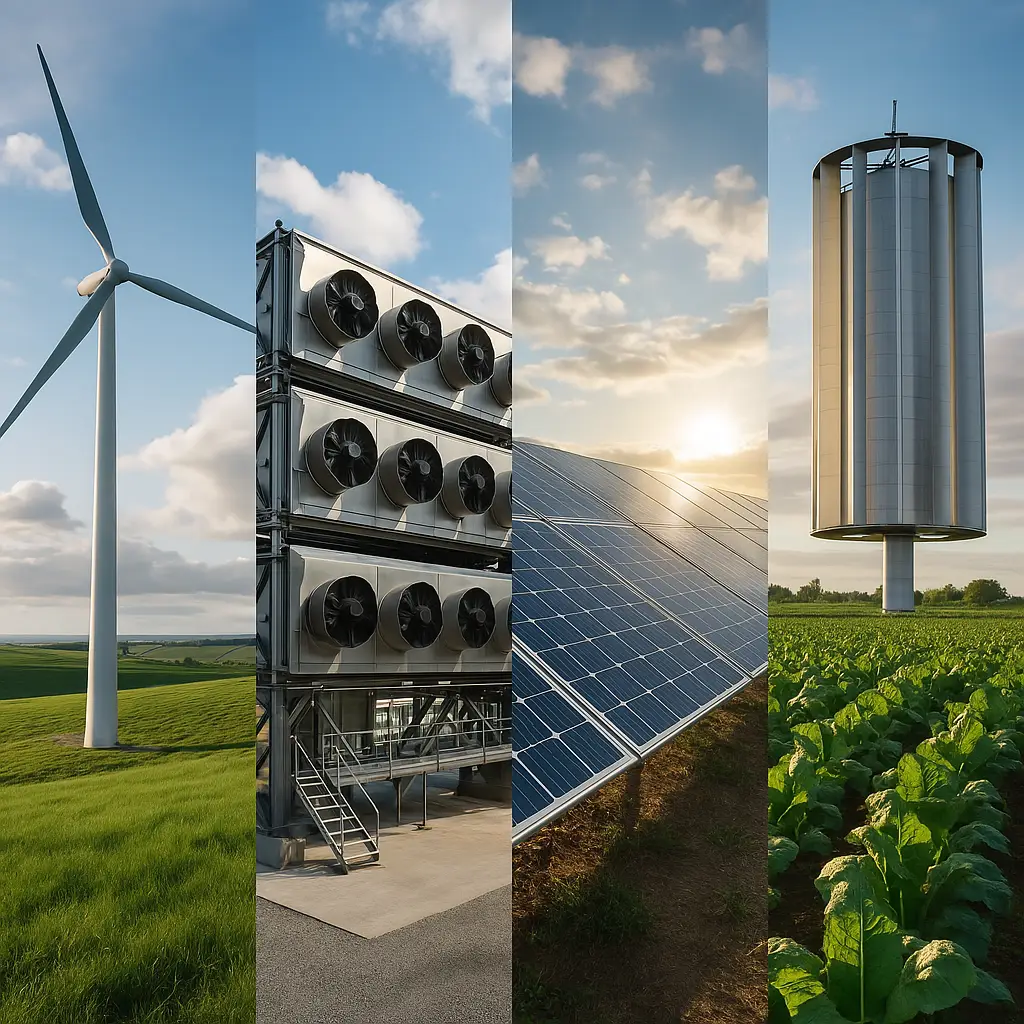
Climate change represents one of the most pressing challenges of our time, but innovative technology is emerging as our most powerful weapon in the fight against global warming. From revolutionary renewable energy solutions to groundbreaking carbon capture methods, these 15 climate change technologies are reshaping how we approach environmental sustainability and offering genuine hope for our planet’s future.
The Urgency of Climate Innovation 🚨
As global temperatures continue to rise and extreme weather events become more frequent, the need for effective climate solutions has never been more critical. The Intergovernmental Panel on Climate Change (IPCC) has repeatedly emphasized that we have a narrow window to limit global warming to 1.5°C above pre-industrial levels. This is where cutting-edge technology steps in, offering scalable solutions that can be deployed rapidly across the globe.
The clean technology sector has experienced unprecedented growth, with global investments in renewable energy reaching record highs. These innovations aren’t just environmental necessities—they’re economic opportunities that are creating millions of jobs while helping to stabilize our climate.
1. Advanced Solar Technology: Beyond Traditional Panels ☀️
Solar energy has evolved far beyond the blue panels you might see on rooftops. Perovskite solar cells represent a quantum leap in photovoltaic technology, offering higher efficiency rates and lower production costs than traditional silicon panels. These next-generation solar cells can achieve efficiency rates exceeding 25% while being manufactured using less energy-intensive processes.
Floating Solar Farms are revolutionizing how we think about solar deployment. These installations on water bodies not only generate clean electricity but also reduce water evaporation and algae growth. Countries like Singapore and the Netherlands are leading the way with massive floating solar projects that demonstrate the scalability of this technology.
Solar Paint and Flexible Panels are making solar energy accessible in previously impossible locations. Buildings can now integrate solar collection directly into their facades, while flexible panels can be applied to curved surfaces and even clothing.
2. Revolutionary Wind Energy Systems 💨
Wind power technology has undergone remarkable innovations that are making it more efficient and accessible than ever before. Offshore Wind Turbines are becoming larger and more powerful, with some modern turbines capable of generating enough electricity to power 16,000 homes from a single unit.
Vertical Axis Wind Turbines are solving the challenges of traditional horizontal turbines by operating effectively in turbulent wind conditions and producing less noise. These innovations are particularly valuable for urban environments where traditional wind farms aren’t feasible.
Airborne Wind Energy systems use kites or tethered aircraft to capture wind energy at higher altitudes where winds are stronger and more consistent. Companies like Makani (formerly backed by Google) have demonstrated that this technology can generate electricity at costs competitive with traditional wind farms.
3. Next-Generation Energy Storage Solutions 🔋
Energy storage is crucial for making renewable energy reliable and available on demand. Lithium-ion Battery Technology continues to improve, with costs falling by 90% over the past decade while energy density increases. Tesla’s Megapack and similar grid-scale storage systems are enabling utilities to store massive amounts of renewable energy.
Solid-State Batteries promise even greater improvements, offering higher energy density, faster charging times, and enhanced safety compared to current lithium-ion technology. These batteries could revolutionize everything from electric vehicles to grid storage.
Pumped Hydro Storage and Compressed Air Energy Storage provide large-scale solutions for storing renewable energy over extended periods. These technologies can store energy for weeks or months, making them ideal for seasonal energy balancing.
4. Carbon Capture and Storage Innovation 🏭
Direct Air Capture (DAC) technology is becoming increasingly sophisticated and cost-effective. Companies like Climeworks and Carbon Engineering are operating facilities that can remove thousands of tons of CO2 directly from the atmosphere. The captured carbon can then be permanently stored underground or used to create useful products like concrete or fuel.
Enhanced Weathering accelerates natural rock weathering processes to absorb CO2 from the atmosphere. This approach involves spreading crushed rocks on agricultural land, where they naturally absorb carbon dioxide while improving soil quality.
Bioenergy with Carbon Capture and Storage (BECCS) combines biomass energy production with carbon capture, creating a system that can actually remove more CO2 from the atmosphere than it produces. This technology is considered essential for achieving negative emissions.
5. Electric Vehicle Revolution ⚡
The electric vehicle (EV) industry is experiencing explosive growth, with battery costs decreasing and charging infrastructure expanding rapidly. Solid-State EV Batteries are approaching commercialization, promising to deliver 500+ mile ranges with 10-minute charging times.
Wireless Charging Technology is being integrated into roads and parking spaces, allowing EVs to charge while driving or parked. This innovation could eliminate range anxiety and make electric vehicles even more convenient than traditional cars.
Electric Aviation is moving from concept to reality, with companies like Eviation and Wright Electric developing electric aircraft for short-haul flights. These innovations could significantly reduce aviation’s carbon footprint.
6. Smart Grid and Energy Management 🌐
Smart grid technology is transforming how we distribute and manage electricity. Artificial Intelligence is being used to predict energy demand, optimize grid operations, and integrate renewable energy sources more effectively. Machine learning algorithms can balance supply and demand in real-time, reducing waste and improving reliability.
Microgrids allow communities to generate and manage their own electricity, increasing resilience and reducing transmission losses. These localized grids can operate independently during emergencies while normally connecting to the broader grid.
Vehicle-to-Grid (V2G) Technology enables electric vehicles to serve as mobile energy storage units, feeding electricity back into the grid during peak demand periods. This creates a symbiotic relationship between transportation and energy systems.
7. Green Building Materials and Design 🏗️
The construction industry is embracing innovative materials that can significantly reduce buildings’ environmental impact. Cross-Laminated Timber (CLT) is replacing steel and concrete in many applications, storing carbon while providing structural strength equivalent to traditional materials.
Smart Glass can automatically adjust its transparency based on sunlight conditions, reducing heating and cooling costs. This technology can cut building energy consumption by up to 20% while improving occupant comfort.
Living Building Materials incorporate living organisms like bacteria or algae to create self-healing concrete or materials that can purify air. These bio-based innovations represent a fundamental shift toward more sustainable construction practices.
8. Precision Agriculture and Vertical Farming 🌱
Agriculture is becoming increasingly high-tech and sustainable through precision farming techniques. Drone Technology and Satellite Monitoring enable farmers to optimize water usage, reduce pesticide application, and increase crop yields while minimizing environmental impact.
Vertical Farming systems can produce food using 95% less water than traditional agriculture while requiring no pesticides. These indoor farms can operate year-round in any climate, potentially revolutionizing food security in urban areas.
Gene Editing Technologies like CRISPR are being used to develop crops that are more resistant to climate change, require less water, and can grow in previously unsuitable conditions. These innovations could help maintain food security as climate conditions change.
9. Circular Economy and Waste Management ♻️
The circular economy concept is being enabled by innovative recycling technologies. Chemical Recycling can break down plastics into their molecular components, allowing them to be remade into new products indefinitely. This technology could solve the plastic waste crisis while reducing the need for virgin materials.
AI-Powered Waste Sorting systems can identify and separate different types of waste with unprecedented accuracy, dramatically improving recycling efficiency. These systems are being deployed in facilities worldwide, increasing recycling rates and reducing contamination.
Waste-to-Energy Technologies are becoming more efficient and cleaner, with modern facilities producing electricity while processing waste that would otherwise end up in landfills. Advanced emission control systems ensure these facilities meet strict environmental standards.
10. Ocean Technology and Marine Solutions 🌊
The ocean offers vast potential for clean energy and climate solutions. Wave Energy Converters are being developed to harness the consistent power of ocean waves, providing a reliable source of renewable energy that’s available 24/7.
Ocean Thermal Energy Conversion (OTEC) systems use temperature differences between surface and deep ocean water to generate electricity. This technology is particularly promising for tropical island nations.
Seaweed Farming is emerging as a powerful tool for carbon sequestration while producing valuable products like biofuels and food. Large-scale seaweed farms could remove significant amounts of CO2 from the atmosphere while supporting marine ecosystems.
11. Advanced Nuclear Technology ⚛️
Nuclear energy is experiencing a renaissance through Small Modular Reactors (SMRs) that are safer, more flexible, and less expensive than traditional nuclear plants. These reactors can be manufactured in factories and deployed quickly to provide clean baseload power.
Fusion Power is approaching commercial viability, with several companies expecting to demonstrate net energy gain within the next decade. Fusion offers the promise of virtually unlimited clean energy with no radioactive waste.
Thorium Reactors offer a safer alternative to uranium-based nuclear power, with reduced proliferation risks and less long-lived radioactive waste. Several countries are investing heavily in thorium reactor development.
12. Hydrogen Economy Infrastructure 💧
Green hydrogen, produced using renewable energy, is emerging as a crucial component of the clean energy transition. Electrolysis Technology is becoming more efficient and cost-effective, making green hydrogen competitive with fossil fuel alternatives.
Hydrogen Fuel Cells are being deployed in everything from passenger cars to cargo ships, offering a clean alternative for applications where batteries aren’t practical. The technology is particularly promising for heavy-duty transportation and industrial processes.
Hydrogen Storage Solutions are overcoming the challenges of storing and transporting hydrogen, with new materials and methods making it safer and more practical for widespread use.
13. Atmospheric Engineering and Geoengineering 🌤️
While controversial, geoengineering technologies are being researched as potential last-resort solutions to climate change. Solar Radiation Management techniques could theoretically reduce global temperatures by reflecting sunlight away from Earth.
Marine Cloud Brightening involves spraying seawater into clouds to make them more reflective, potentially cooling regional temperatures. This technology is being carefully studied for its potential benefits and risks.
Stratospheric Aerosol Injection could mimic the cooling effects of volcanic eruptions, but researchers emphasize that these technologies should only be considered alongside aggressive emissions reduction efforts.
14. Sustainable Transportation Systems 🚊
Beyond electric vehicles, transportation is being revolutionized through various innovative approaches. Hyperloop Technology promises to transport passengers at speeds exceeding 600 mph using minimal energy through vacuum tubes.
Electric and Autonomous Public Transit systems are reducing urban emissions while improving efficiency. Cities worldwide are investing in electric buses, trains, and even autonomous shuttles to create cleaner transportation networks.
Sustainable Aviation Fuels made from algae, waste materials, or captured CO2 are enabling the aviation industry to reduce its carbon footprint while maintaining current infrastructure.
15. AI and Machine Learning for Climate Solutions 🤖
Artificial intelligence is accelerating climate solutions across all sectors. Climate Modeling powered by machine learning can provide more accurate predictions of climate change impacts, helping governments and organizations prepare for future challenges.
Predictive Maintenance systems use AI to optimize the performance of renewable energy installations, reducing downtime and improving efficiency. These systems can predict equipment failures before they occur, minimizing maintenance costs and maximizing energy production.
Smart City Systems integrate AI across urban infrastructure to optimize energy use, reduce waste, and improve quality of life. These systems can coordinate traffic flow, building energy usage, and waste collection to minimize environmental impact.
The Economic Impact of Climate Technology 💰
The climate technology sector represents one of the largest economic opportunities in human history. The International Energy Agency estimates that achieving net-zero emissions will require $4 trillion in annual clean energy investments by 2030. This massive investment is creating millions of jobs while driving innovation across multiple industries.
Green Jobs are growing faster than any other employment sector, with roles ranging from solar panel installers to carbon capture engineers. The renewable energy sector alone employs over 12 million people globally, with numbers expected to triple by 2030.
Investment Returns in clean technology are increasingly attractive, with renewable energy projects often providing better returns than fossil fuel investments. The declining costs of clean technologies are making them economically competitive without subsidies in many markets.
Challenges and Opportunities Ahead 🚧
Despite the promise of these technologies, significant challenges remain. Scaling Production of new technologies requires massive investments in manufacturing capacity and supply chains. Grid Integration of variable renewable energy sources demands sophisticated management systems and storage solutions.
Policy Support remains crucial for accelerating the deployment of climate technologies. Governments worldwide are implementing carbon pricing, renewable energy mandates, and research funding to support the transition to clean energy.
International Cooperation is essential for addressing climate change effectively. Technology transfer, shared research initiatives, and coordinated policies can accelerate the global deployment of climate solutions.
The Path Forward: A Sustainable Future 🌈
The 15 climate change technologies outlined here represent just the beginning of what’s possible. As research continues and costs decrease, these innovations will become increasingly accessible and effective. The combination of technological advancement, policy support, and growing public awareness creates an unprecedented opportunity to address climate change while building a more sustainable and prosperous future.
The transition to a clean energy economy isn’t just about avoiding catastrophic climate change—it’s about creating a world with cleaner air, more stable energy prices, and greater energy security. These technologies are laying the foundation for a sustainable civilization that can thrive within planetary boundaries.
Success in addressing climate change will require continued innovation, massive investment, and global cooperation. However, the technologies exist today to begin this transformation, and new breakthroughs are emerging constantly. With determination and sustained effort, these 15 innovations—and the many more to come—can indeed help save our planet.
The future of our climate depends on the choices we make today. By supporting, investing in, and deploying these technologies at scale, we can create a world where economic prosperity and environmental sustainability go hand in hand. The race against climate change is far from over, but with these powerful tools at our disposal, we have reason for hope and a clear path forward.
This article represents current understanding of climate technologies as of 2025. The field is rapidly evolving, with new breakthroughs emerging regularly. For the latest developments in climate technology, continue following research institutions, clean energy companies, and environmental organizations leading the charge toward a sustainable future.