How Algorithms Control What You See 🧠📱
Ever wondered why your Instagram feed shows you exactly what you want to see? Or how TikTok seems to read your mind? The answer lies in the sophisticated algorithms that power our favorite social media platforms.
Introduction: The Invisible Hand Behind Your Feed 🤖
Every time you open Instagram, TikTok, Facebook, or Twitter, you’re not seeing a random collection of posts. Instead, you’re experiencing the result of complex algorithms that analyze millions of data points to curate content specifically for YOU. These digital gatekeepers determine what information reaches your eyes, what opinions you encounter, and even what products you discover.
Understanding how social media algorithms work isn’t just fascinating—it’s essential for anyone who wants to navigate the digital world with awareness and intention. Let’s dive deep into the science behind the screens and uncover how these powerful systems shape our daily reality.
How Social Media Algorithms Actually Work 🔍
The Fundamental Mechanics
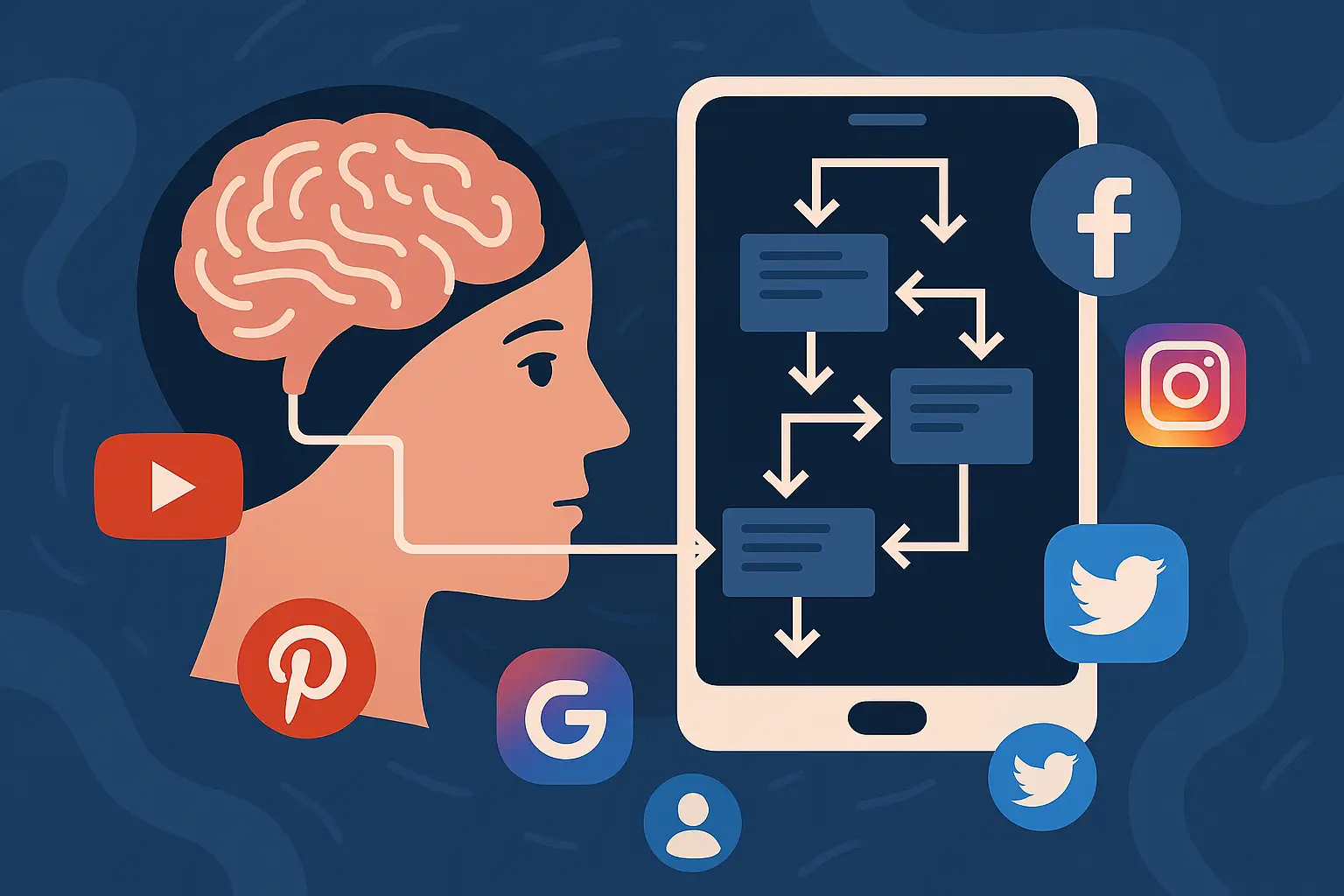
At its core, a social media algorithm is a mathematical formula designed to predict and serve content that will keep you engaged. These systems analyze your behavior patterns, preferences, and interactions to create a personalized experience that feels almost magical in its accuracy.
The Basic Algorithm Process:
- Data Collection: Every click, scroll, pause, and interaction is recorded
- Pattern Recognition: Machine learning identifies your preferences and habits
- Content Ranking: Posts are scored based on predicted engagement likelihood
- Personalized Delivery: The highest-scoring content appears in your feed
Machine Learning and Prediction Models 🤖
Modern social media platforms use sophisticated machine learning models that continuously learn and adapt. These systems employ:
- Collaborative Filtering: “People like you also enjoyed…”
- Content-Based Filtering: Analyzing the actual content of posts
- Deep Learning Networks: Complex neural networks that find subtle patterns
- Real-Time Optimization: Instant adjustments based on your immediate reactions
The algorithms don’t just look at what you like—they analyze how long you watch videos, when you scroll past content, what times you’re most active, and even how your engagement patterns change throughout the day.
The Psychology Behind Addictive Design 🧪
The Dopamine Connection
Social media platforms are designed to trigger dopamine release in your brain—the same neurotransmitter involved in addiction. Every notification, like, and comment creates a small hit of satisfaction that keeps you coming back for more.
Key Psychological Triggers:
- Variable Reward Schedules: Like slot machines, you never know when you’ll get that perfect post
- Social Validation: Likes and comments fulfill our basic need for acceptance
- FOMO (Fear of Missing Out): Endless scrolling ensures you never reach the “end”
- Curiosity Gaps: Intriguing previews that make you want to see more
The Attention Economy 💰
Your attention is literally currency in the digital economy. Social media platforms make money by capturing and selling your attention to advertisers. The longer you stay engaged, the more valuable you become as a product.
This economic model creates powerful incentives for platforms to maximize engagement at any cost, often leading to the promotion of divisive, sensational, or emotionally charged content that triggers strong reactions.
What Social Media Platforms Know About You 📊
The Data Collection Machine
Social media platforms collect an staggering amount of information about you:
Behavioral Data:
- Every post you like, share, or comment on
- Time spent viewing different types of content
- Scrolling speed and patterns
- When you pause or replay videos
- Which ads you click on or ignore
Demographic Information:
- Age, gender, location
- Education level and interests
- Relationship status and life events
- Employment and income estimates
Device and Technical Data:
- Device type and operating system
- Internet connection speed
- App usage patterns
- Location data (even when not explicitly shared)
The Shadow Profile Phenomenon 👥
Even if you’ve never created a social media account, platforms likely have a “shadow profile” of you based on:
- Contact lists uploaded by friends
- Website tracking pixels
- Cross-platform data sharing
- Public records and data broker information
This invisible digital footprint allows platforms to start personalizing content from the moment you first log in.
How Different Platforms Prioritize Content 🏆
Instagram: The Visual Engagement King 📸
Instagram’s algorithm prioritizes:
- Recency: Newer posts generally rank higher
- Relationship: Content from accounts you interact with frequently
- Interest: Based on your past engagement with similar content
- Time Spent: How long you typically spend on the app
The platform particularly favors content that generates quick engagement—likes, comments, and shares within the first few hours of posting.
TikTok: The Viral Video Wizard 🎬
TikTok’s “For You” page algorithm is remarkably sophisticated:
- Completion Rate: Videos watched to the end are heavily favored
- Immediate Engagement: Likes, shares, and comments within seconds
- Audio Recognition: Popular sounds and music trends
- Video Information: Hashtags, captions, and visual elements
TikTok’s algorithm is particularly aggressive at testing content with small audiences before deciding whether to show it to millions.
Facebook: The Social Connection Hub 👨👩👧👦
Facebook’s algorithm emphasizes:
- Meaningful Social Interactions: Comments and shares over likes
- Content Type: Videos and live streams often get priority
- Group Activity: Posts from active groups you’re part of
- Recency with Relevance: Recent posts from close connections
Twitter: The Real-Time Information Stream 🐦
Twitter’s algorithm balances:
- Chronological Relevance: Recent tweets from accounts you follow
- Engagement Velocity: Tweets gaining traction quickly
- Trending Topics: Content related to current events
- Personal Interests: Based on your past Twitter activity
The Filter Bubble Effect 🫧
How Algorithms Create Echo Chambers
One of the most significant impacts of social media algorithms is the creation of “filter bubbles”—personalized information ecosystems that can isolate users from diverse perspectives.
How Filter Bubbles Form:
- Initial Preferences: Your early interactions set the tone
- Reinforcement Loop: Similar content keeps appearing
- Confirmation Bias: You engage more with agreeable content
- Algorithmic Amplification: The system doubles down on your preferences
The Polarization Problem 📈
Research shows that social media algorithms can contribute to political and social polarization by:
- Promoting emotionally charged content that gets more engagement
- Reducing exposure to opposing viewpoints
- Amplifying extreme positions that generate controversy
- Creating separate information realities for different groups
The Business Model: How Free Platforms Make Billions 💸
The Advertising Revenue Machine
Social media platforms are essentially sophisticated advertising companies that:
- Collect detailed user data
- Segment audiences for targeted advertising
- Auction ad space to the highest bidders
- Optimize for ad engagement and conversion
Revenue Streams:
- Targeted Advertising: The primary money-maker
- Sponsored Content: Paid posts that appear in feeds
- E-commerce Integration: Shopping features and affiliate commissions
- Premium Features: Subscription services and enhanced tools
The True Cost of “Free” 🔄
While social media platforms are free to use, users pay with:
- Personal Data: Detailed profiles sold to advertisers
- Attention: Time that could be spent on other activities
- Privacy: Reduced control over personal information
- Mental Health: Potential negative impacts from excessive use
Dark Patterns and Manipulation Tactics 🕳️
Designed to Hook You
Social media platforms employ various “dark patterns”—design elements specifically created to manipulate user behavior:
Common Dark Patterns:
- Infinite Scroll: No natural stopping point
- Push Notifications: Frequent interruptions to bring you back
- Streak Mechanics: Daily use requirements (like Snapchat streaks)
- Social Proof: Showing when friends are online or active
- Scarcity Tactics: Limited-time content or stories
The Attention Hijacking Playbook 🎯
Platforms use sophisticated psychological techniques:
- Intermittent Variable Rewards: Unpredictable positive feedback
- Social Reciprocity: Obligations to respond to interactions
- Loss Aversion: Fear of missing out on content or connections
- Anchoring: Setting engagement expectations through metrics
Privacy and Data Rights: What You Need to Know 🔐
Your Digital Rights
Despite the complexity of data collection, you have rights:
- Access: Request to see what data platforms have about you
- Deletion: Ask for your data to be removed
- Portability: Download your information
- Correction: Fix inaccurate information
Privacy Settings That Actually Matter 🛡️
Essential Privacy Controls:
- Ad Targeting: Limit how your data is used for advertising
- Data Sharing: Control what information is shared with third parties
- Location Services: Manage when and how your location is tracked
- App Permissions: Review what data apps can access
The Global Impact of Algorithmic Control 🌍
Shaping Public Opinion
Social media algorithms have become powerful forces in:
- Political Discourse: Influencing elections and public opinion
- Social Movements: Amplifying or suppressing causes
- Consumer Behavior: Driving purchasing decisions
- Cultural Trends: Determining what becomes popular
The Responsibility Question ⚖️
As algorithms become more powerful, questions arise about:
- Algorithmic Transparency: Should platforms reveal how they work?
- Content Moderation: Who decides what content is acceptable?
- Democratic Participation: How do algorithms affect civic engagement?
- Global Influence: Should platforms have the power to shape cultures?
Building Digital Wellness and Healthy Habits 🌱
Taking Control of Your Feed
Strategies for Healthier Social Media Use:
- Diversify Your Sources: Actively seek out different perspectives
- Use “Not Interested” Features: Train algorithms to show better content
- Set Time Limits: Use built-in app timers or third-party tools
- Regular Digital Detoxes: Take periodic breaks from social media
- Mindful Consumption: Pay attention to how content makes you feel
Algorithm Awareness Exercises 🧘♂️
- Content Audit: Regularly review what’s in your feed
- Engagement Tracking: Notice what you interact with most
- Emotional Check-ins: Assess how social media affects your mood
- Source Diversity: Ensure you’re seeing varied perspectives
The Future of Social Media Algorithms 🔮
Emerging Trends
What’s Coming Next:
- AI-Generated Content: Personalized content created just for you
- Augmented Reality Integration: Algorithms that understand your physical world
- Voice and Gesture Recognition: New ways to interact with content
- Predictive Personalization: Anticipating your needs before you know them
The Regulation Landscape 📜
Governments worldwide are beginning to regulate social media algorithms:
- Transparency Requirements: Forcing platforms to explain their systems
- User Control Mandates: Giving users more choice in what they see
- Data Protection Laws: Limiting how personal information is used
- Content Responsibility: Holding platforms accountable for harmful content
Conclusion: Navigating the Algorithmic Age 🚀
Understanding how social media algorithms work is crucial for anyone who wants to maintain agency in the digital age. These systems are incredibly powerful, but they’re not magic—they’re tools created by humans that can be understood, influenced, and even resisted.
The key to healthy social media use isn’t to avoid these platforms entirely, but to approach them with awareness and intention. By understanding how algorithms work, what data they collect, and how they influence our behavior, we can make more informed decisions about our digital lives.
Remember: You are not just a passive consumer of algorithmic content—you’re an active participant who can shape what you see. Use this knowledge to create a more intentional, diverse, and enriching social media experience.
The algorithms may be sophisticated, but the power to choose how you engage with them ultimately remains in your hands. Stay curious, stay critical, and most importantly, stay in control of your digital destiny.
Want to learn more about digital wellness and media literacy? Follow us for more insights into the technology that shapes our daily lives. 🌟