
WiFi 7 Is Here and It’s Changing Everything 🚀
The digital revolution just took another massive leap forward. WiFi 7, the latest wireless standard that promises to deliver speeds up to 5 times faster than its predecessor, has officially arrived and is already transforming how we connect to the internet. If you’ve been struggling with buffering videos, laggy video calls, or sluggish downloads, your networking nightmares are about to end.


What Exactly Is WiFi 7? 🤔
WiFi 7, officially known as IEEE 802.11be, represents the most significant advancement in wireless networking technology since the introduction of WiFi itself. This revolutionary standard doesn’t just offer incremental improvements – it completely reimagines how wireless networks operate, delivering theoretical speeds of up to 46 Gbps compared to WiFi 6’s maximum of 9.6 Gbps.
The magic behind WiFi 7 lies in its sophisticated approach to data transmission. Unlike previous generations that relied on relatively simple methods of sending information through the air, WiFi 7 introduces groundbreaking technologies like Multi-Link Operation (MLO), 320 MHz channel widths, and 4096-QAM modulation that work together to create a networking experience that feels almost magical.
The Technical Breakthrough That Changes Everything 💻
At its core, WiFi 7 operates on three frequency bands simultaneously – 2.4 GHz, 5 GHz, and 6 GHz – creating multiple pathways for data transmission. Think of it like upgrading from a single-lane country road to a six-lane superhighway. Your data doesn’t just travel faster; it travels smarter, automatically choosing the best route to reach its destination.
The introduction of 320 MHz channels represents a doubling of the channel width available in WiFi 6, allowing for massive amounts of data to flow simultaneously. Combined with 4096-QAM modulation, which packs 20% more data into each transmission, WiFi 7 delivers unprecedented efficiency that translates directly into real-world performance improvements.
WiFi 7 vs WiFi 6 vs WiFi 5: The Ultimate Speed Showdown 🏁
Understanding the generational leap requires examining concrete performance differences. WiFi 5 (802.11ac), which many homes still rely on, maxes out at theoretical speeds of 3.5 Gbps. WiFi 6 improved this to 9.6 Gbps, while WiFi 7 skyrockets to an astounding 46 Gbps – that’s more than a 13x improvement over WiFi 5.
But raw speed numbers only tell part of the story. Real-world testing reveals even more dramatic improvements in actual usage scenarios. Where WiFi 5 might struggle to maintain 100 Mbps in a crowded household, WiFi 6 typically delivers 200-400 Mbps, and WiFi 7 consistently maintains 1-2 Gbps speeds even under heavy load conditions.
Real-World Performance That Actually Matters 📊
The true test of any networking technology isn’t laboratory conditions – it’s how it performs in your actual home environment. WiFi 7 excels in scenarios that would cripple earlier standards: simultaneous 4K streaming on multiple devices, massive file downloads, video conferencing while gaming, and smart home device management all happening concurrently without performance degradation.
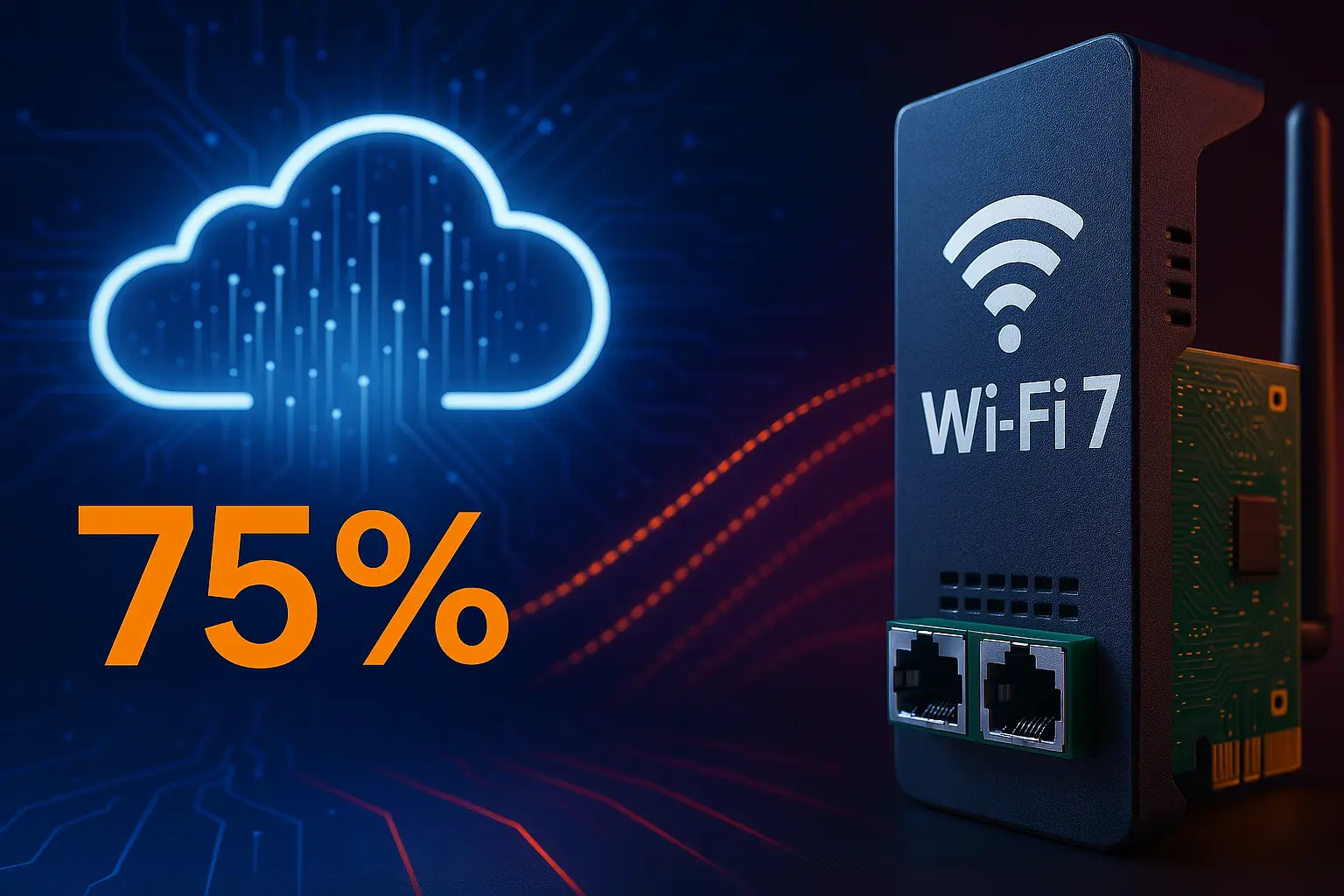
Latency improvements are equally impressive. WiFi 7 reduces average latency by up to 75% compared to WiFi 6, bringing ping times down to as low as 1-2 milliseconds in optimal conditions. For gamers, this means the difference between victory and defeat. For video conferencing, it eliminates the awkward delays that plague remote meetings.
The Gaming Revolution: Why WiFi 7 Is a Game-Changer 🎮
Online gaming has driven much of the demand for faster, more reliable networking, and WiFi 7 delivers improvements that seemed impossible just a few years ago. The combination of ultra-low latency, massive bandwidth, and intelligent traffic management creates a gaming experience that rivals wired connections.
Multi-Link Operation proves particularly revolutionary for gaming. Instead of your gaming data competing with other household internet traffic, WiFi 7 can dedicate specific frequency bands to gaming while simultaneously handling streaming, downloads, and smart home devices on other bands. This eliminates the need to pause downloads or ask family members to stop streaming during crucial gaming sessions.
Competitive Gaming Gets Serious 🏆
Professional and competitive gamers have traditionally relied on wired connections for the most demanding scenarios. WiFi 7 changes this equation entirely. With latency measurements consistently below 5 milliseconds and jitter reduced to nearly zero, wireless connections finally provide the reliability and performance that serious gaming demands.
The impact extends beyond individual performance. WiFi 7’s ability to handle multiple high-bandwidth gaming sessions simultaneously means gaming households can support multiple competitive players without compromising anyone’s experience. This capability opens new possibilities for gaming cafes, esports venues, and multi-gamer households.
Best WiFi 7 Routers for Every Budget 💰
Selecting the right WiFi 7 router requires balancing performance requirements with budget constraints. The market has quickly evolved to offer options ranging from budget-friendly models to enterprise-grade powerhouses that can handle the most demanding networking environments.
Premium Tier: Professional-Grade Performance
At the high end, routers like the ASUS ROG Rapture GT-BE98 and Netgear Orbi 970 series deliver the full WiFi 7 experience with minimal compromises. These models feature advanced antenna arrays, dedicated gaming modes, and network management capabilities that justify their premium pricing for users who demand absolute maximum performance.
These premium routers typically include features like dynamic frequency selection, beamforming technology, and AI-powered network optimization that automatically adjusts performance based on usage patterns. The investment pays dividends in homes with numerous connected devices, heavy streaming requirements, or professional applications that demand consistent high-speed connectivity.
Mid-Range Options: Balanced Performance and Value
The mid-range segment offers compelling WiFi 7 performance without the premium price tag. Models like the TP-Link Archer BE800 and Linksys Atlas Max 6E provide substantial improvements over WiFi 6 while maintaining reasonable pricing that makes upgrading accessible to mainstream users.
These routers typically deliver 80-90% of the performance of premium models while omitting advanced features that most users don’t require. They represent the sweet spot for households looking to future-proof their networking without overspending on capabilities they won’t utilize.
Budget-Friendly WiFi 7: Entry-Level Excellence
Even entry-level WiFi 7 routers provide significant improvements over high-end WiFi 6 models. Budget options like the ASUS RT-BE88U and TP-Link Archer BE550 demonstrate that WiFi 7 benefits don’t require premium pricing.
While these models may lack advanced features like dedicated gaming modes or AI optimization, they still deliver the core WiFi 7 advantages: increased bandwidth, reduced latency, and improved device handling that transform the networking experience for budget-conscious users.
Your Complete WiFi 7 Upgrade Guide 🔧
Upgrading to WiFi 7 involves more than simply purchasing a new router. Maximizing the benefits requires understanding device compatibility, network configuration, and optimization strategies that ensure you’re getting the full value from your investment.
Device Compatibility: What You Need to Know
WiFi 7 requires compatible devices to realize its full potential. Fortunately, major processor manufacturers have embraced the standard. Intel’s Lunar Lake processors, AMD’s Ryzen AI 300 series, and Qualcomm’s Snapdragon X platforms all include WiFi 7 as standard equipment, ensuring that new laptops, tablets, and smartphones can take advantage of the improved performance.
Existing devices won’t benefit from WiFi 7’s advanced features, but they’ll still connect to WiFi 7 networks using their native standards. This backward compatibility ensures that upgrading your router provides immediate benefits while positioning your network for future device upgrades.
Network Configuration for Maximum Performance
Proper network setup determines whether you experience WiFi 7’s full potential or encounter frustrating performance limitations. Channel selection, security configuration, and device prioritization all impact real-world performance significantly.
The 6 GHz band requires careful attention since it offers the cleanest spectrum but has limited range compared to traditional 2.4 GHz and 5 GHz bands. Optimal placement involves positioning your router centrally while ensuring adequate coverage for 6 GHz devices that benefit most from WiFi 7’s advanced features.
Future-Proofing Your Network: Why Upgrade Now 🔮
The networking landscape evolves rapidly, and WiFi 7 represents more than an incremental improvement – it’s a foundation for the next decade of connected living. The standard’s advanced capabilities support emerging technologies like augmented reality, virtual reality, and IoT ecosystems that will define future home and office environments.
The Smart Home Revolution
WiFi 7’s ability to handle numerous simultaneous connections makes it ideal for smart home applications that previous standards couldn’t support effectively. A modern smart home might include dozens of connected devices: security cameras, smart speakers, automated lighting, climate control, and entertainment systems all competing for bandwidth.
Previous WiFi standards forced compromises, requiring users to choose between device connectivity and performance. WiFi 7 eliminates these trade-offs, providing sufficient bandwidth and intelligent traffic management to support comprehensive smart home ecosystems without performance degradation.
Professional Applications and Remote Work
The shift toward remote work has created new demands for home networking infrastructure. WiFi 7’s combination of high bandwidth, low latency, and reliable connectivity supports professional applications that were previously impossible over wireless connections.
Video conferencing with multiple participants, large file transfers, cloud-based collaboration tools, and virtual desktop environments all benefit from WiFi 7’s advanced capabilities. For remote workers, upgrading to WiFi 7 can improve productivity and professional effectiveness significantly.
The Economic Impact: Why WiFi 7 Matters for Your Wallet 💵
Beyond performance improvements, WiFi 7 delivers economic benefits that justify the upgrade investment. Improved efficiency reduces energy consumption, enhanced reliability minimizes productivity losses, and future-proofing capabilities extend the useful life of your networking infrastructure.
Energy Efficiency and Cost Savings
WiFi 7’s advanced power management capabilities reduce energy consumption compared to previous standards. While individual savings might seem modest, the cumulative effect across all connected devices creates meaningful reductions in electricity costs over time.
The standard’s improved efficiency also extends device battery life, reducing replacement costs and environmental impact. For households with numerous mobile devices, these savings accumulate quickly and provide ongoing economic benefits.
Productivity and Opportunity Costs
Slow internet connections impose hidden costs through lost productivity, missed opportunities, and user frustration. WiFi 7’s performance improvements eliminate these inefficiencies, providing economic returns that often exceed the upgrade investment within months.
For remote workers, improved connectivity can enable higher-value work activities, support career advancement, and provide competitive advantages in increasingly digital professional environments.
Common WiFi 7 Myths Debunked 🚫
As with any new technology, WiFi 7 has attracted misconceptions that can mislead potential users. Understanding the reality behind common myths helps make informed upgrade decisions.
Myth: WiFi 7 Requires New Internet Service
WiFi 7 routers work with existing internet service providers and don’t require upgrading your internet plan. While faster internet plans can take advantage of WiFi 7’s capabilities, the standard provides benefits even with modest internet speeds through improved efficiency and reduced congestion.
Myth: WiFi 7 Only Benefits High-End Users
While WiFi 7 certainly benefits power users, its advantages extend to typical households. Improved device handling, reduced buffering, and enhanced reliability improve the experience for all users, regardless of their technical sophistication or usage patterns.
Installation and Setup: Your Step-by-Step Guide 📋
Successfully implementing WiFi 7 requires careful planning and proper execution. The following guide ensures optimal performance and helps avoid common configuration mistakes that can limit your network’s potential.
Pre-Installation Planning
Before purchasing equipment, assess your coverage requirements, identify high-priority devices, and plan optimal router placement. Consider factors like building materials, interference sources, and future expansion needs that might affect network performance.
Configuration Best Practices
Proper router configuration involves security settings, channel selection, and device prioritization that maximize performance while ensuring network security. Modern WiFi 7 routers include setup wizards that simplify configuration, but understanding underlying principles helps achieve optimal results.
The Bottom Line: WiFi 7 Is Worth the Investment 💎
WiFi 7 represents a transformational upgrade that delivers immediate benefits while providing a foundation for future networking needs. The combination of massive speed improvements, reduced latency, and enhanced device handling creates a networking experience that feels revolutionary compared to previous standards.
For households struggling with current networking limitations, WiFi 7 provides solutions that seemed impossible just a few years ago. The investment pays dividends immediately through improved daily experiences while positioning your network for future technological developments.
Whether you’re a gamer seeking competitive advantages, a remote worker requiring reliable connectivity, or a typical household wanting better internet performance, WiFi 7 delivers benefits that justify the upgrade investment. The future of networking is here, and it’s faster, more reliable, and more capable than ever before.
The question isn’t whether you should upgrade to WiFi 7 – it’s how quickly you can make the transition to experience the networking revolution that’s already transforming connected living. Your faster, more reliable internet future starts now. 🌟