Emergency Tech for Survival That Could Save Your Life in 2025 🚨
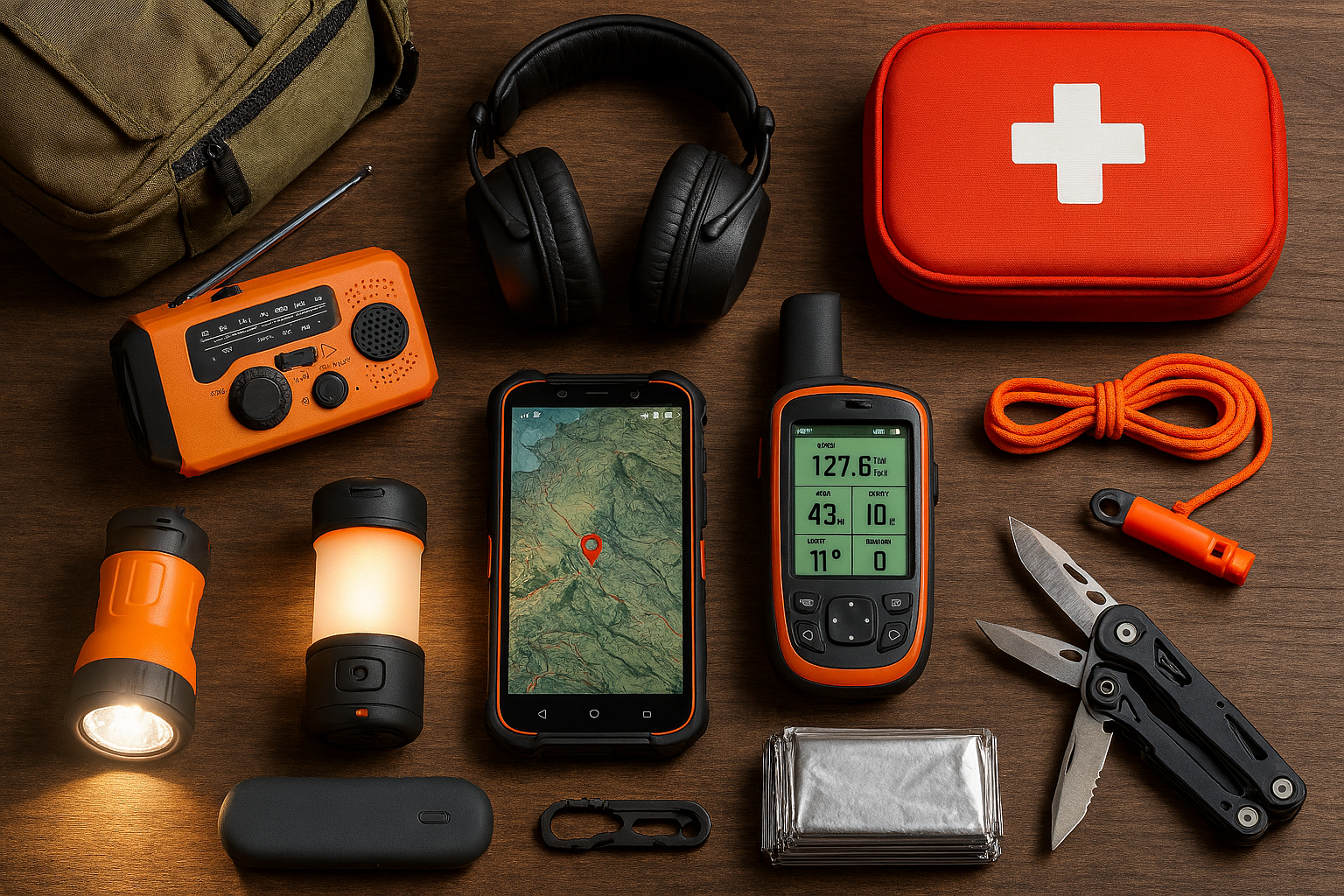
When disaster strikes – and it will – will you be the hero or the victim? The harsh reality is that disaster preparedness gadgets are no longer luxury items for survivalists; they’re essential tools for everyday people facing an increasingly unpredictable world.
The emergency and disaster response market has exploded to $177.70 billion in 2025, growing at 6.58% annually as families wake up to a terrifying truth: you can’t depend on anyone else to save you. Power grids fail. Cell towers collapse. Emergency services get overwhelmed. But the right emergency tech can turn a life-threatening situation into a manageable challenge.
From AI-powered emergency radios that automatically alert you to severe weather to portable water purification systems that can transform contaminated water into safe drinking water, today’s disaster preparedness technology is light-years beyond the basic flashlight-and-batteries approach of previous generations. These aren’t just gadgets – they’re lifelines that could mean the difference between surviving and thriving when everything goes wrong.
The Modern Emergency Technology Revolution 🌪️
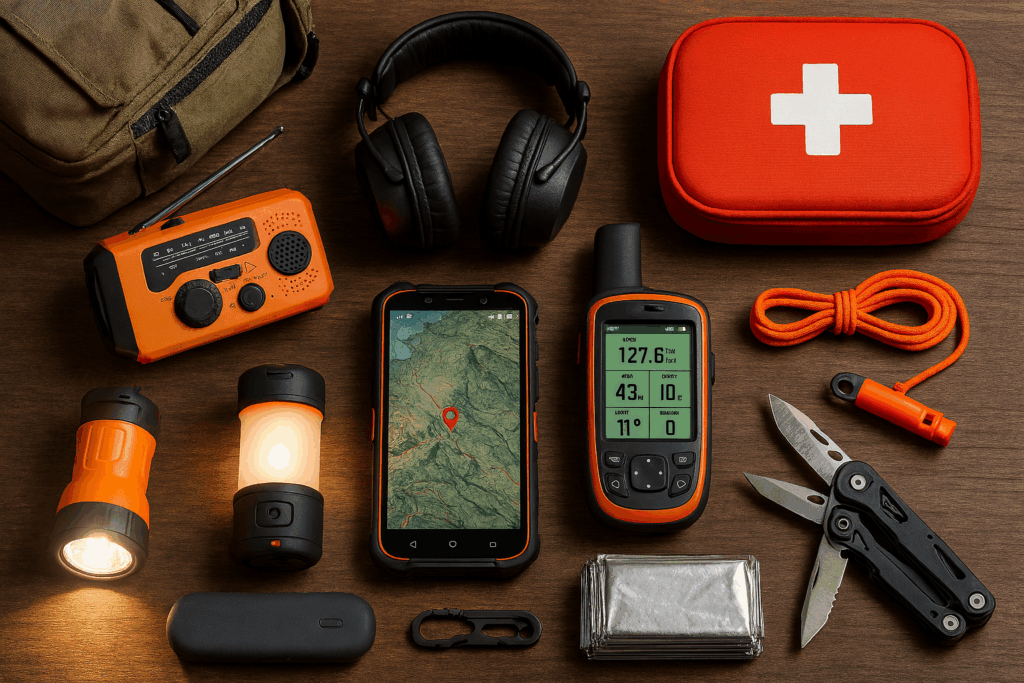
2025 has become the year emergency preparedness went mainstream. According to FEMA, 69% of Americans have assembled emergency supplies, but most are woefully unprepared for extended disasters. Recent hurricanes, wildfires, and infrastructure failures have exposed the shocking vulnerability of our modern systems.
Here’s what most people don’t realize: Emergency technology has advanced exponentially in the past five years. Solar charging that would have cost thousands is now available for under $200. Water purification systems that remove 99.999% of viruses, bacteria, and parasites fit in your backpack. Communication devices can send SOS signals to satellites when every cell tower is down.
The best disaster preparedness gadgets of 2025 share three critical characteristics: they work without external power, they’re simple enough to operate under stress, and they can literally save lives when traditional systems fail.
Just like understanding cybersecurity fundamentals is essential in our digital age, mastering emergency technology has become a basic life skill that every family needs.
Emergency Communication: Your Lifeline When Everything Goes Dark 📡
When cell towers fail, emergency radios become your window to the outside world. Modern emergency communication devices have evolved far beyond basic AM/FM receivers to become sophisticated multi-tool systems that can literally coordinate your rescue.
Multi-Power Emergency Radios: Never Go Silent
The Midland ER310 Emergency Radio exemplifies next-generation communication technology. This isn’t your grandfather’s transistor radio – it’s a comprehensive emergency command center that weighs just over two pounds but provides weeks of reliable operation.
Key features that make it revolutionary:
- NOAA Weather Alert System: Automatically activates when severe weather warnings are issued, even when you’re sleeping
- Multiple Power Sources: Solar panel, hand crank, rechargeable battery, plus six AA battery backup
- 2,600mAh Power Bank: Can charge smartphones and other critical devices when wall outlets are dead
- 32-Hour Runtime: Single charge provides over a day of continuous operation
- Ultrasonic Dog Whistle: Rescue dogs can hear this frequency from significantly greater distances
The genius of modern emergency radios lies in their redundancy. Solar charging keeps them operational during extended power outages. Hand cranks provide unlimited power when the sun doesn’t shine. Battery backup ensures immediate operation. USB ports turn your radio into a charging station for other critical devices.
Professional emergency managers recommend having multiple radios – one for your home, one for your vehicle, and one in your go-bag. Different radios excel in different situations, and redundancy could save your life.
Satellite Communication: When Everything Else Fails
Satellite messengers have transformed from military-exclusive technology to consumer necessities. When Hurricane Katrina knocked out cell networks, amateur radio operators provided critical emergency communications. Today, you don’t need a ham radio license to communicate via satellite.
Modern satellite messengers offer game-changing capabilities:
- Two-way messaging: Send and receive text messages anywhere on Earth
- SOS functionality: Direct connection to professional rescue coordination centers
- GPS tracking: Family and friends can monitor your location in real-time
- Weather updates: Access to hyperlocal weather forecasts and emergency alerts
- Global coverage: Works anywhere with clear sky view, regardless of local infrastructure
The Garmin inReach Messenger Plus represents the current pinnacle of consumer satellite communication. With 28-day battery life, global coverage via the Iridium satellite network, and integration with smartphones, it provides professional-grade emergency communication capabilities.
Critical advantage: Unlike cell phone networks that become overloaded during mass emergencies (as happened minutes after the Boston Marathon bombing), satellite networks maintain capacity during disasters.
Just as cloud technology provides reliable backup for digital systems, satellite communication provides ultimate backup for emergency situations.
Power Independence: Energy When the Grid Goes Dark ⚡
Portable power technology has undergone a revolution that most people haven’t fully grasped. Today’s emergency power systems can run refrigerators for days, charge dozens of devices, and operate essential medical equipment – all without gasoline, noise, or toxic fumes.
Solar Power Stations: Silent Giants
Portable power stations have replaced noisy gas generators for emergency backup power. The EcoFlow Delta Pro 3 can power a full-size refrigerator for over 51 hours on a single charge while simultaneously charging phones, operating medical devices, and powering lights.
Why solar power stations dominate emergency preparedness:
- Silent operation: No noise to attract unwanted attention or disturb neighbors
- Zero emissions: Safe to operate indoors without carbon monoxide concerns
- Solar recharging: Unlimited power source as long as the sun shines
- Multiple outlets: Power dozens of devices simultaneously
- UPS functionality: Automatic backup when grid power fails
The Jackery 2000 V2 offers the perfect balance of power and portability for most families. At under 40 pounds, it’s manageable by most adults while providing 2,043Wh of capacity – enough to run essential devices for days during extended outages.
Strategic deployment involves placing charged power stations throughout your home: one in the kitchen for refrigerator backup, one in the bedroom for medical devices and communication, one in a central location for lighting and general use.
Solar Charging Systems: Unlimited Power from the Sun
Portable solar panels have become incredibly efficient and affordable. Modern systems can charge power stations, directly power devices, and maintain battery banks indefinitely as long as sunlight is available.
Professional-grade portable solar systems include:
- SunJack 25W Solar Charger: Lightweight panels that can charge battery banks in 5 hours
- Goal Zero Boulder Series: High-output panels designed for serious emergency power needs
- Anker PowerPort Solar: Compact panels perfect for charging phones and small devices
The strategic advantage of solar technology is energy independence. While gas generators require continuous fuel supplies, solar systems provide unlimited power generation. Modern panels work even in partially cloudy conditions and can be chained together for increased output.
Modern emergency power planning resembles enterprise cloud architecture – multiple redundant systems working together to ensure continuous operation.
Water Security: Clean Water from Any Source 💧
Water contamination becomes a life-threatening emergency within days. Modern water purification technology can transform any water source – from muddy puddles to contaminated wells – into safe drinking water using advanced filtration and purification systems.
Revolutionary Water Purification Technology
The ITEHIL Powered Reverse Osmosis Water Filter represents breakthrough technology that brings laboratory-grade water purification to emergency situations. This battery-powered system provides true reverse osmosis filtration in a portable package.
Advanced capabilities include:
- 99.999% contaminant removal: Eliminates bacteria, viruses, parasites, heavy metals, and chemicals
- 27 liters per battery charge: Enough purified water for a family for several days
- Any water source: Works with pond water, well water, even swimming pool water
- Battery powered: No manual pumping or external power required
- Compact design: Fits in a backpack despite professional-grade capabilities
Gravity-Fed Systems: Set and Forget Purification
The Waterdrop Gravity Water Filter exemplifies efficient large-volume water purification. This system can process gallons of water with minimal effort while removing dangerous contaminants.
Professional features:
- Multi-stage filtration: Sediment, carbon, and ultrafiltration in series
- High-volume processing: Up to 40-60 gallons per hour
- Long filter life: Ceramic filters last up to 10,000 gallons
- Gravity operation: No pumping or electricity required
- Group capability: Sufficient capacity for families or small groups
Personal Water Security
The Grayl GeoPress has revolutionized personal water purification through innovative press-filtration technology. Unlike traditional straw filters or pump systems, the GeoPress purifies water by pressing it through advanced filtration media.
Revolutionary advantages:
- 15-second purification: Fastest personal water purification available
- True purification: Removes viruses, bacteria, parasites, and chemicals
- Cold water effective: Full purification without heating water
- Ease of use: Simple press action, no sucking or pumping
- 24-ounce capacity: Sufficient water for immediate needs
Water security planning mirrors data backup strategies – multiple layers of protection ensure you’re never without this most critical resource.
Shelter Technology: Protection from Hostile Environments 🏠
Emergency shelter technology has evolved from basic tarps to sophisticated environmental protection systems. Modern emergency shelters provide waterproof, windproof protection while maintaining breathability and thermal regulation.
Advanced Emergency Shelter Systems
The Go Time Gear Life Tent represents next-generation emergency shelter design. This 2-person tube tent weighs just 8.7 ounces but provides professional-grade protection from wind, rain, and cold.
Critical survival features:
- 90% heat reflection: Thermal mylar construction retains body heat
- Waterproof and windproof: Sealed construction blocks moisture and wind
- 120-decibel whistle: Emergency signaling audible up to one mile
- 550lb paracord: Multi-purpose cordage for shelter, repairs, and fire starting
- Ultra-compact: Packs to 5.25″ x 3.25″ for minimal space requirements
Thermal Regulation Technology
The SOL Escape Bivvy provides breathable emergency shelter that prevents deadly condensation buildup while maintaining thermal protection. Unlike traditional space blankets, this advanced material allows moisture to escape while reflecting body heat.
Professional advantages:
- Breathable construction: Prevents dangerous condensation accumulation
- Reusable design: Can be folded and reused multiple times
- 70% heat reflection: Maintains body temperature without overheating
- Compact storage: Weighs just 5.5 ounces, packs extremely small
- Bright orange color: High visibility for rescue operations
Multi-Use Thermal Systems
Emergency blankets have evolved into sophisticated thermal management systems. The UST Survival Blanket uses reinforced construction that allows it to function as a tarp, groundsheet, or signaling device while providing thermal protection.
Professional applications:
- Ground insulation: Prevents heat loss to cold ground
- Makeshift shelter: Large enough to create basic lean-to shelters
- Signaling device: Reflective surface visible to aircraft and rescue teams
- Wind protection: Blocks wind while maintaining heat retention
Emergency shelter technology follows principles similar to smart home systems – multiple integrated components working together to create safe, comfortable environments.
Advanced Lighting Systems: Illumination That Never Fails 💡
Modern emergency lighting goes far beyond basic flashlights to provide comprehensive illumination systems that combine multiple light sources, power options, and emergency features.
Multi-Function Emergency Lighting
The Fenix PD36R Pro exemplifies professional-grade emergency lighting with advanced features that make it indispensable during disasters. This isn’t just a flashlight – it’s a comprehensive lighting system.
Professional capabilities:
- 3200-lumen output: Bright enough to illuminate large areas or signal rescue aircraft
- 1,247-foot beam distance: Visible from over a quarter-mile away
- 42-hour runtime: Extended operation on low settings
- Dual-switch design: Tactical and everyday use configurations
- USB charging: Powers other devices when needed
Area Lighting Systems
Emergency lanterns provide 360-degree illumination for camp lighting, work areas, and general area lighting. The Fenix CL30R combines 650-lumen output with power bank functionality.
Strategic advantages:
- Area illumination: Lights entire rooms or camp areas
- Power bank function: Charges phones and other devices
- Multiple brightness levels: Conserves battery while providing needed light
- Magnetic base: Attaches to metal surfaces for hands-free use
- Waterproof construction: Operates in all weather conditions
Hands-Free Lighting Technology
Professional headlamps provide hands-free illumination essential for emergency repairs, medical aid, and navigation. The Pelican 2780 offers dual-beam technology that simultaneously illuminates both distance and near-field areas.
Critical features:
- 430-lumen output: Professional-grade brightness
- Dual-beam technology: Illuminates both path ahead and immediate area
- 12-hour runtime: Extended operation on battery-saving modes
- Rear-mounted battery: Better weight distribution and comfort
- Weather-resistant: Operates in rain, snow, and extreme conditions
Professional emergency lighting resembles enterprise IT infrastructure – multiple redundant systems ensuring critical functions continue regardless of individual component failures.
Medical Emergency Technology: When Professional Help Isn’t Available 🏥
Medical emergencies don’t wait for convenient timing or nearby hospitals. Advanced first aid technology enables non-medical personnel to provide life-saving treatment when professional medical care is unavailable.
Professional-Grade First Aid Systems
The MyMedic MyFAK (My First Aid Kit) represents the evolution of emergency medical supplies from basic band-aid collections to comprehensive trauma treatment systems.
Life-saving capabilities:
- 250+ medical supplies: From basic bandages to advanced trauma equipment
- Tourniquet systems: Professional-grade bleeding control for severe injuries
- Chest seals: Treatment for puncture wounds and chest trauma
- Nasopharyngeal airways: Airway management for unconscious patients
- Hemostatic dressing: Advanced bleeding control technology
MOLLE-compatible construction allows integration with other emergency equipment while providing organized access to medical supplies when seconds matter.
Advanced Medical Devices
Modern emergency medical technology includes devices that were once exclusive to professional medical settings:
- Digital thermometers: Accurate temperature monitoring for infection detection
- Blood pressure monitors: Cardiovascular monitoring during extended emergencies
- Pulse oximeters: Oxygen saturation monitoring for respiratory emergencies
- Glucometers: Blood sugar monitoring for diabetic emergencies
- AED devices: Automated external defibrillators for cardiac emergencies
Specialized Medical Preparations
Prescription medication backup has become more accessible through services like Jase Case, which provides emergency antibiotic supplies for situations where professional medical care is unavailable.
Critical medication categories:
- Antibiotics: Treatment for infections when hospitals are inaccessible
- Pain management: Essential for maintaining function during emergencies
- Chronic condition medications: Extended supplies for ongoing medical needs
- Emergency medications: EpiPens, inhalers, and other life-saving drugs
Medical emergency preparedness requires the same systematic approach as cloud infrastructure planning – redundant systems and scalable solutions for different emergency scenarios.
Food Security Technology: Sustaining Life When Supply Chains Collapse 🍽️
Emergency food technology has revolutionized long-term survival planning through advanced preservation methods, enhanced nutrition, and simplified preparation systems that make extended self-sufficiency realistic for average families.
Next-Generation Food Preservation
Freeze-drying technology has achieved breakthrough improvements in taste, nutrition retention, and shelf life. According to 2025 testing data from the Emergency Food Testing Consortium, modern freeze-dried meals maintain 95% of original taste scores after 10 years when properly stored.
Revolutionary preservation advances:
- Flavor-lock technology: Preserves volatile compounds responsible for taste
- 30-year shelf life: Triple-barrier Mylar with ceramic coating
- 97% nutrition retention: Superior to traditional preservation methods
- Cold preparation capability: 85% of meals fully rehydrate in cold water within 25 minutes
Professional Emergency Food Systems
Mountain House made headlines in 2024 by extending their taste guarantee to 30 years, backed by proprietary flavor-suspension technology that essentially pauses food degradation at the molecular level.
Advanced emergency food features:
- Restaurant-quality taste: No more military ration flavors
- Balanced nutrition: Complete amino acid profiles and essential vitamins
- Simple preparation: Just add water, no cooking required
- Compact storage: Months of food in space-efficient packaging
- Dietary accommodations: Gluten-free, organic, and specialized diet options
Smart Food Storage Systems
Ready Hour’s 2025 emergency food storage solutions provide calorie-dense meal kits supporting 3, 6, and 12-month family preparedness strategies. These systems deliver 2,000+ calories per day with balanced macronutrients.
Strategic food security includes:
- Rotation systems: Use and replace food to maintain freshness
- Nutritional balance: Complete protein, carbohydrates, and essential nutrients
- Preparation flexibility: Options for hot and cold preparation
- Storage optimization: Stackable containers that maximize space efficiency
Food security planning parallels efficient data storage strategies – organized systems that provide reliable access to essential resources when needed most.
Navigation and Location Technology: Finding Your Way When GPS Fails 🧭
Modern navigation technology provides multiple redundant positioning systems that work when satellite GPS is unavailable, cell towers are down, and traditional landmarks are destroyed or obscured.
Professional Navigation Systems
Garmin eTrex Solar handheld GPS units provide unlimited battery life through solar charging while maintaining satellite reception in challenging environments where smartphone GPS fails.
Critical navigation features:
- Solar charging: Unlimited operation with adequate sunlight
- Topographic mapping: Detailed terrain information for route planning
- Waypoint marking: Mark important locations for return navigation
- Track recording: Creates breadcrumb trails for backtracking
- Weather resistance: Operates in rain, snow, and extreme conditions
Backup Navigation Methods
Traditional navigation tools remain essential backups when electronic systems fail:
- Military-grade compasses: Magnetic navigation that works when all electronics fail
- Topographic maps: Paper maps don’t require batteries or satellite signals
- Altimeters: Elevation information for position confirmation
- Celestial navigation tools: Sun and star position indicators
Emergency Location Technology
Personal Locator Beacons (PLBs) provide ultimate emergency backup when all other communication fails. These devices broadcast on dedicated emergency frequencies monitored by international rescue coordination centers.
PLB advantages:
- Global coverage: COSPAS-SARSAT satellite system works worldwide
- No subscription fees: One-time purchase provides years of emergency capability
- Military-grade reliability: Designed to work in extreme conditions
- Long battery life: Operates for 24+ hours when activated
Navigation emergency planning requires the same redundancy principles as network infrastructure design – multiple systems that can operate independently when primary systems fail.
Personal Security and Defense Technology 🔒
Personal security technology has advanced dramatically to provide early warning, deterrent capabilities, and self-defense options when traditional law enforcement response is delayed or unavailable.
Surveillance and Detection Systems
Hidden camera technology now provides professional-grade surveillance capabilities in compact, disguised packages. Modern hidden cameras offer 4K recording, night vision, motion detection, and remote viewing capabilities.
Professional surveillance applications:
- Property monitoring: Detect intruders and document criminal activity
- Vehicle security: Monitor parked vehicles and detect theft attempts
- Personal safety: Document threats and harassment for legal evidence
- Child safety: Monitor childcare providers and ensure safety
Perimeter Security Technology
Motion detection systems provide early warning of approaching threats while filtering out false alarms from animals, wind, and other non-threatening movement.
Advanced detection capabilities:
- AI-powered analysis: Distinguishes between humans, animals, and environmental movement
- Smartphone alerts: Instant notifications when genuine threats are detected
- Video verification: Visual confirmation of alerts to prevent false alarms
- Remote monitoring: Monitor property from anywhere with internet access
Personal Safety Devices
Modern personal safety technology includes devices that automatically call for help, track your location, and deter potential attackers:
- Satellite SOS devices: Call for help when cell service is unavailable
- GPS tracking jewelry: Discrete location monitoring for family safety
- Personal alarms: 120+ decibel alarms that attract attention and deter attackers
- Self-defense tools: Non-lethal options for personal protection
Personal security technology integration follows patterns similar to comprehensive privacy protection – layered defenses that protect against multiple threat vectors.
Building Your Emergency Technology Arsenal: Strategic Planning 📋
Creating an effective disaster preparedness system requires strategic planning rather than random gadget accumulation. The most effective emergency technology systems provide redundant capabilities across all critical survival needs.
Assessment and Prioritization
Start with threat assessment to identify the most likely emergency scenarios in your area:
- Natural disasters: Hurricanes, earthquakes, floods, wildfires, severe weather
- Infrastructure failures: Power outages, water contamination, communication disruption
- Social disruptions: Supply chain interruptions, civil unrest, economic instability
- Personal emergencies: Medical crises, vehicle breakdown, job loss
Priority ranking focuses resources on the most likely threats with the most serious consequences. Protecting against probable scenarios should take precedence over exotic possibilities.
Foundation Emergency Technology
Every emergency preparedness system should start with core capabilities:
Communication Systems: Emergency radio plus satellite messenger for redundant communication options Power Systems: Solar power station plus portable solar panels for energy independence Water Systems: Multi-stage purification plus emergency water storage for hydration security Shelter Systems: Emergency tent plus thermal protection for environmental protection Lighting Systems: Multiple flashlights plus headlamps for comprehensive illumination Medical Systems: Professional first aid kit plus emergency medications for health security
Advanced Integration Strategies
Professional emergency systems integrate multiple technologies to multiply effectiveness:
- Smartphone apps: Centralized monitoring and control of multiple systems
- Solar charging networks: Panels that can charge multiple devices simultaneously
- Redundant communication: Multiple ways to call for help and receive information
- Modular expansion: Systems that grow as threats evolve or budgets allow
Budget-Conscious Emergency Technology
Effective emergency preparedness doesn’t require unlimited budgets. Strategic purchasing can provide comprehensive emergency capabilities at reasonable costs:
Budget Tier ($500-$1,000):
- Basic emergency radio with solar/crank charging ($75)
- Portable water filter and purification tablets ($100)
- Professional flashlight and headlamp ($150)
- Emergency shelter and thermal blankets ($100)
- Basic first aid kit with OTC medications ($75)
Professional Tier ($1,500-$3,000):
- Advanced emergency radio with power bank ($200)
- Multi-stage water purification system ($300)
- Solar power station with panels ($800)
- Professional shelter system with backup ($250)
- Comprehensive medical kit with prescription backup ($400)
Enterprise Tier ($3,000-$6,000):
- Satellite communication system ($400)
- Large-capacity solar power system ($1,500)
- Professional water purification with storage ($600)
- Advanced shelter systems for multiple people ($400)
- Medical systems approaching EMT-level capabilities ($800)
Emergency technology investment planning requires the same cost-benefit analysis as enterprise technology planning – balancing capabilities against realistic budgets and probable needs.
Legal and Regulatory Considerations for Emergency Technology ⚖️
Emergency technology ownership and use involves legal considerations that vary by jurisdiction and device type. Understanding these requirements prevents legal problems during already stressful emergency situations.
Communication Device Regulations
Amateur radio operation requires FCC licensing for transmission, but receiving emergency broadcasts requires no license. Emergency radios can receive critical information without any legal requirements.
Satellite communication devices operate under commercial satellite licenses that don’t require user licensing, but international travel may involve additional considerations.
Water Treatment Compliance
Water purification systems for personal use generally have no regulatory requirements, but claims about contaminant removal must be verified by independent testing.
Professional water systems must meet EPA standards for pathogen removal, chemical reduction, and safety claims.
Medical Device Regulations
First aid supplies have minimal restrictions for personal use, but prescription medications require valid prescriptions and proper storage.
Advanced medical devices like AEDs may require training for effective use and may have maintenance requirements for reliability.
Legal compliance for emergency technology resembles data privacy compliance – understanding requirements prevents problems while ensuring full access to capabilities.
Future Trends: The Next Generation of Emergency Technology 🔮
Emergency technology continues evolving rapidly with emerging technologies promising even more powerful capabilities at lower costs. Understanding these trends helps make smart long-term investments.
Artificial Intelligence Integration
AI-powered emergency systems are becoming mainstream with capabilities that seemed impossible just years ago:
- Predictive threat analysis: AI systems that anticipate emergencies before they occur
- Automated response systems: Devices that call for help and provide assistance automatically
- Intelligent resource management: Systems that optimize power, water, and supply usage
- Behavioral pattern recognition: Technology that learns your routines and detects anomalies
Enhanced Communication Technology
Next-generation communication systems will provide capabilities approaching professional emergency services:
- Mesh networking: Devices that create communication networks without infrastructure
- Quantum encryption: Unbreakable communication security for sensitive information
- Multi-spectrum operation: Systems that work across radio, satellite, and internet simultaneously
- AI translation: Real-time language translation for international emergencies
Miniaturization and Integration
Technology miniaturization will create even more powerful capabilities in smaller packages:
- Smartphone integration: Emergency features built into everyday devices
- Wearable emergency systems: Smartwatches with comprehensive emergency capabilities
- Implantable devices: Medical monitoring and emergency alert systems
- Smart clothing: Garments with integrated emergency technology
Future emergency technology development mirrors broader trends in consumer technology evolution – more powerful, more integrated, and more accessible to average consumers.
Strategic Emergency Technology Deployment 🎯
Effective emergency preparedness requires strategic deployment of technology across multiple locations and scenarios. The best emergency technology is worthless if it’s in the wrong place when disaster strikes.
Home Base Emergency Systems
Your primary residence should have the most comprehensive emergency technology systems:
- Whole-house power backup: Large solar power stations with expandable battery capacity
- Central communication hub: Advanced emergency radio with external antenna for maximum reception
- Comprehensive water systems: Large-capacity purification plus substantial storage
- Complete medical facility: Professional-grade supplies plus prescription medications
- Full shelter capabilities: Emergency supplies for sheltering in place for extended periods
Vehicle Emergency Systems
Every vehicle should carry emergency technology appropriate for its typical use patterns:
- Portable communication: Satellite messenger or emergency radio
- Mobile power: Smaller power station or high-capacity power banks
- Personal water: Portable filtration plus emergency water supplies
- Basic medical: Comprehensive first aid kit plus emergency medications
- Emergency shelter: Compact shelter system plus thermal protection
Personal Carry Systems (Get-Home Bags)
Personal emergency technology should be light enough for daily carry while providing essential capabilities:
- Compact communication: Small emergency radio or satellite messenger
- Personal power: High-capacity power bank with solar charging capability
- Water purification: Personal water filter plus purification tablets
- Basic medical: Compact first aid kit with personal medications
- Emergency shelter: Ultra-light emergency shelter and thermal protection
Workplace Emergency Systems
Office and workplace emergency technology should provide capabilities for both sheltering in place and evacuation scenarios:
- Desk emergency kit: Personal supplies for immediate needs
- Team communication: Devices for coordinating group response
- Backup power: Charging capabilities for critical devices
- Medical supplies: First aid capabilities for workplace injuries
- Evacuation supplies: Get-home bags for each team member
Emergency technology deployment strategy resembles distributed cloud architecture – critical capabilities distributed across multiple locations to ensure availability when and where needed.
Cost-Benefit Analysis: Emergency Technology ROI 💰
Emergency technology investment pays for itself by preventing losses that would far exceed system costs while providing peace of mind that’s difficult to quantify financially.
Preventing Catastrophic Losses
Emergency preparedness systems prevent losses that could devastate families financially:
- Medical emergencies: Basic first aid can prevent minor injuries from becoming major medical expenses
- Property protection: Early warning systems can prevent theft and vandalism
- Food security: Emergency food prevents price gouging during supply disruptions
- Communication capability: Maintaining contact prevents family separation and coordination problems
Insurance and Risk Mitigation
Many insurance companies offer discounts for comprehensive emergency preparedness systems, recognizing that prepared families file fewer claims and recover more quickly from disasters.
Risk mitigation benefits:
- Reduced dependence: Less reliance on overwhelmed emergency services
- Faster recovery: Self-sufficient families recover more quickly from disasters
- Lower losses: Prepared families suffer less property damage and personal injury
- Better outcomes: Preparation enables better decision-making under stress
Long-Term Value Calculation
Emergency technology provides value through multiple mechanisms:
- Direct cost avoidance: Preventing expenses that would occur without preparation
- Opportunity preservation: Maintaining income and productivity during disruptions
- Asset protection: Protecting valuable property and possessions
- Health preservation: Maintaining health and avoiding medical expenses
Emergency technology ROI calculation follows principles similar to enterprise technology investment – considering both direct returns and risk mitigation value.
Maintenance and Training: Keeping Technology Ready 🔧
Emergency technology requires ongoing maintenance and training to ensure reliable operation when disaster strikes. The best equipment is useless if it doesn’t work when needed or if you don’t know how to use it.
Regular Testing and Maintenance
Monthly testing schedules ensure all emergency technology remains functional:
- Communication devices: Test emergency radios and satellite messengers monthly
- Power systems: Cycle batteries and test solar charging systems quarterly
- Water purification: Test filters and replace cartridges according to manufacturer schedules
- Medical supplies: Check expiration dates and replace expired medications
- Shelter systems: Inspect for damage and practice setup procedures
Skills Development and Training
Emergency technology requires competency for effective use under stress:
- First aid certification: Professional training for medical emergency response
- Radio operation: Practice using emergency communication equipment
- Navigation skills: Map reading and compass use when GPS fails
- Water treatment: Understanding different purification methods for different water sources
Family Training Programs
All family members should understand emergency technology operation:
- Age-appropriate training: Children can learn basic emergency procedures
- Practice scenarios: Regular drills build confidence and identify equipment problems
- Documentation: Written procedures for complex equipment operation
- Backup operators: Multiple family members capable of operating critical systems
Emergency technology training follows patterns similar to professional skill development – regular practice and ongoing education to maintain competency.
Conclusion: Your Technology-Enhanced Survival Strategy 🛡️
The year 2025 has proven that emergency preparedness is no longer optional – it’s a basic responsibility for protecting your family and ensuring your survival when normal systems fail. The emergency and disaster response market didn’t reach $177.70 billion by accident; it reflects the reality that disasters are increasing in frequency and severity while traditional response systems are becoming overwhelmed.
But here’s the revolutionary change: disaster preparedness gadgets have evolved from crude survival tools to sophisticated technology systems that rival professional emergency equipment. Solar power stations provide silent, unlimited energy. Water purification systems remove threats that would have been lethal just decades ago. Communication devices connect you to rescue services from anywhere on Earth. Medical equipment enables life-saving treatment when hospitals are unreachable.
The choice is stark but simple: You can either depend on overwhelmed government systems, hope that infrastructure holds up, and trust that help will arrive in time – or you can take control with proven technology that puts your survival in your own hands.
Start building your emergency technology system today. Begin with communication and power – these two capabilities enable everything else. Add water purification and basic medical supplies. Expand to comprehensive shelter and navigation systems as budget allows. But most importantly, start now, before you need it.
Just as modern technology has transformed every aspect of our daily lives, emergency technology has transformed what’s possible during disasters. The question isn’t whether you’ll face an emergency – the question is whether you’ll be ready with the technology that could save your life.
The technology exists. The need is urgent. The time is now.
Your family’s survival might depend on the decisions you make today. Modern disaster preparedness gadgets give you capabilities that previous generations could never have imagined. Don’t let pride, procrastination, or false confidence leave you helpless when everything goes wrong.
The prepared survive. The unprepared become statistics. Which will you choose?